
The European Commission welcomes the political agreement reached between the European Parliament and the Council on the measure to protect the EU steel sector from global overcapacity. This is a crucial step towards ensuring the long-term viability of a strategic European industry.
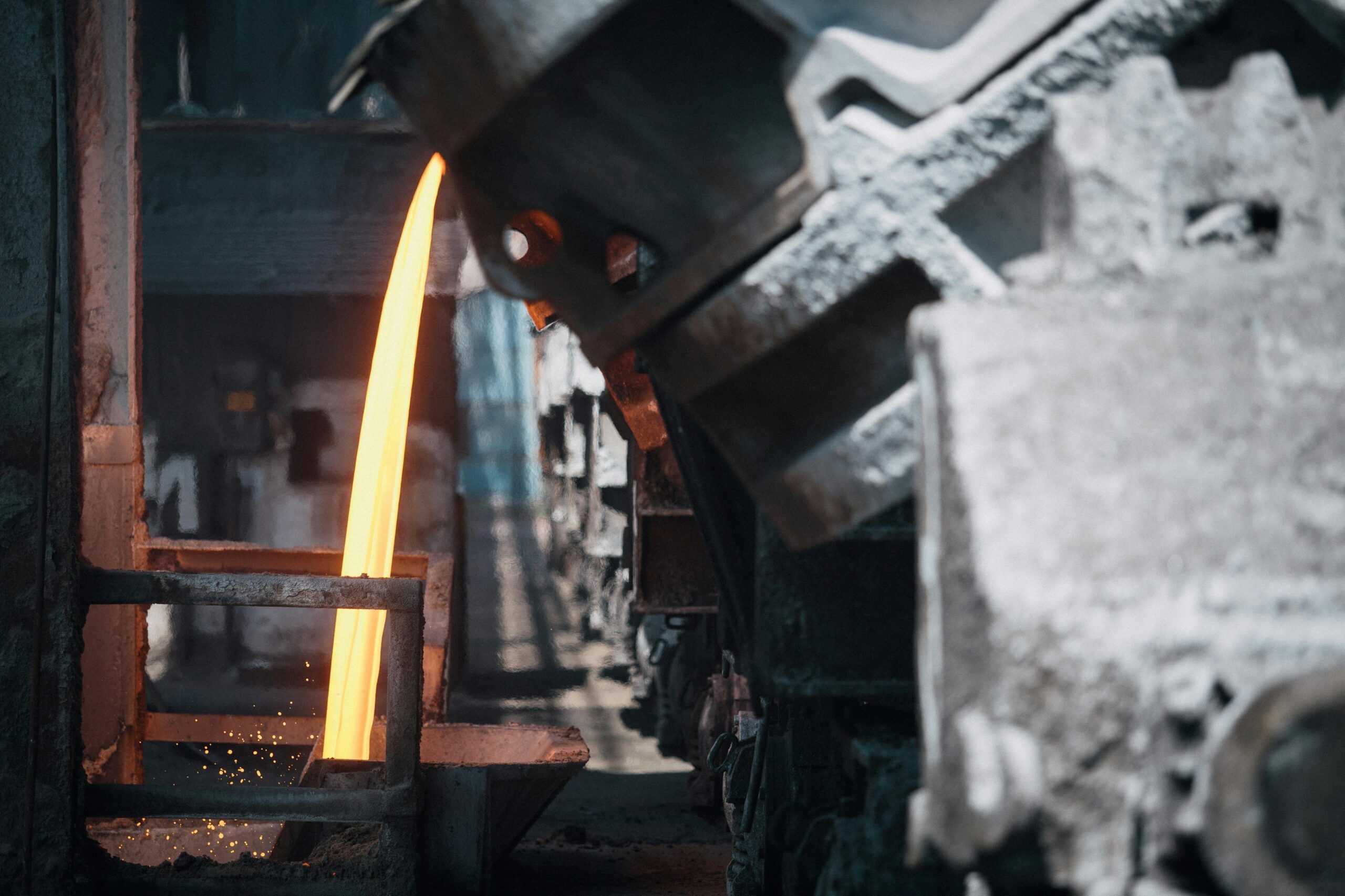
The new measure sets duty-freequotas at 18.3 million tonnes per year, with an out-of-quota tariff set at 50% for 30 categories of steel products imported into the EU. It also introduces a ‘smelting and casting’ requirement to improve traceability and transparency in the EU steel supply chain. The measure will apply to products imported from all countries, except EEA countries; the latter will remain subject to the casting and pouring’ requirements. The agreed text reflects all the key elements of the Commission’s proposal of 7 October 2025.
This measure will address the negative trade effects resulting from global excess steel production capacity, which is projected to reach 721 million tonnes in 2027– more than five times the EU’s annual steel consumption. Furthermore, it will protect 2.5 million jobs linked to steel production and support the EU’s decarbonisation targets.
The new measure will replace the EU’s current steel safeguard, which since 2018 has imposed a tariff rate quota (TRQ) system on 28 product categories, allowing duty-free imports up to a limit before a 50% tariff is applied.
Next steps
Theagreed text will now be examined for formal adoption by the European Parliament and the Council in the coming weeks, with the aim of ensuring its entry into force on 1 July 2026, when the current steel safeguard measure expires.
The Commission is continuing to prepare two implementing acts: one on the allocation of quotas by country and another on the documentation required to comply with the smelting and casting requirement. In parallel, the Commission is negotiating with its trading partners under the Article XXVIII procedure of the General Agreement on Tariffs and Trade (GATT), thereby ensuring the measure’s compatibility with the World Trade Organisation (WTO).
TheEU will continue to engage constructively with its global partners in the search for collective solutions to the problem of global steel production overcapacity, both bilaterally and collectively within the framework of the Global Forum on Steel Excess Capacity (GFSEC).
Background
The President of the European Commission, Ursula von der Leyen, identified the EU steel industry as a key driver of European prosperity. The EU Competitiveness Compass, adopted in January 2025, identified steel and metals as a key area for action. The Strategic Dialogue on Steel, organised by the President in March 2025, highlighted the critical challenges facing the sector and the need for urgent action.
In March 2025, the Commission adopted an Action Plan for Steel and Metals, which outlines measures across various policy areas, including a trade measure to replace the steel safeguard. The Commission introduced this measure on imports of certain steel products in July 2018,to prevent economic harm to EU steel producers resulting from trade diversion and increased imports.
More information: European Commission.
Publicaciones relacionadas:
 Europe signs multimillion-dollar contract with Spanish industry to heat ITER plasma
 The EU is studying the investment needed to improve trade routes between Europe and Central Asia via the Caucasus.
 The Commission approves a €5 billion German state aid scheme to support the decarbonisation of industry
 New rules come into force to protect the EU steel industry from the harmful effects of global overcapacity
 Updating the 2020 Industrial Strategy
Leave a Reply