
On Tuesday, the International Trade Committee adopted a series of measures to counteract the negative impact of global overproduction on the EU steel market.
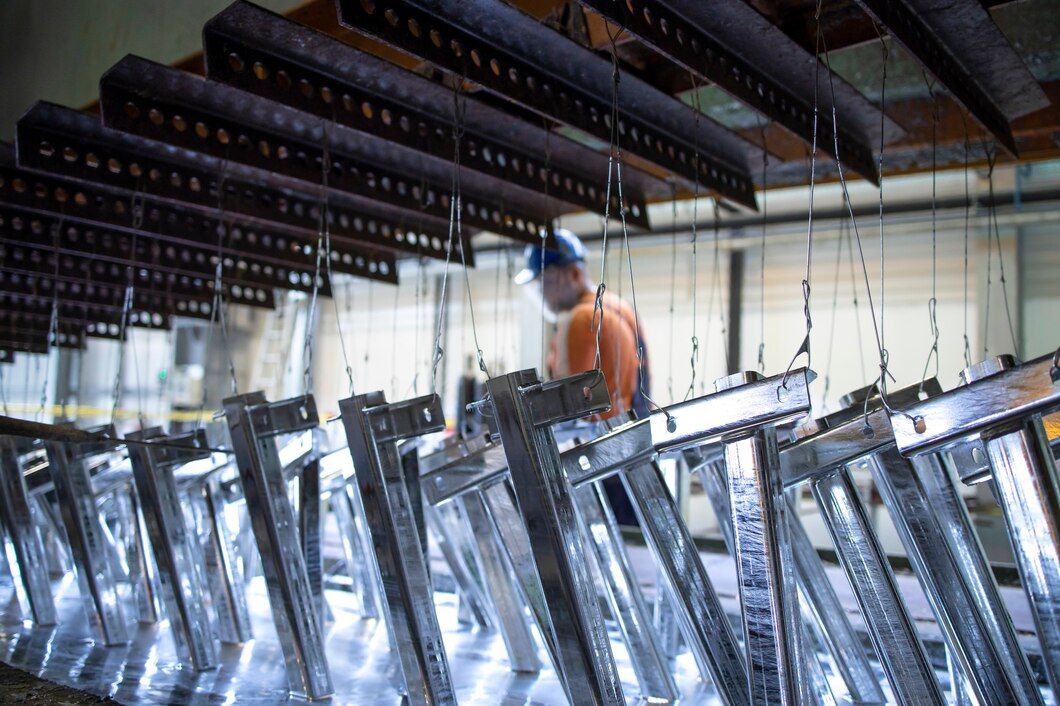
By 36 votes in favour and 2 against, with 5 abstentions, MEPs on the International Trade Committee have adopted their position on the proposed regulation to counteract the negative trade-related effects of the global steel production surplus on the Union market. The global steel safeguards in place since 2018 under the World Trade Organisation (WTO) will expire on 30 June 2026.
The approved text envisages lower import quotas, limiting tariff-free import volumes to 18.3 million tonnes a year – a reduction of 47% compared with 2024 steel quotas. It would also apply a 50% customs duty to imports above the quota and to steel goods not covered by the quota.
The draft regulation seeks to strengthen the traceability of imported steel products by clarifying the evidence to be provided by importers on the origin of their steel.
Members reiterated the need for the new regulation to comply with WTO rules and asked the Commission to monitor the impact of the regulation and assess the possibility to amend the products covered by the rules.
Finally, the draft legislation would ban all steel imports from Russia and Belarus, adding steel to the list of goods for which there are already restrictions on imports from the two countries.
Quote
After the vote, rapporteur Karin Karlsbro (Renew, SE), said: ” Steel production is a strategic priority for Europe. In times of geopolitical uncertainty, the strength of our steel industry is central to Europe’s resilience. Today, we have said yes to continued tariff-free trade with Ukraine and no to Russian steel imports into the EU. This is a clear demonstration of European resolve.”
Next steps
The International Trade Committee also approved the decision to start negotiations with the Council, with the aim of reaching a deal on the final form of the bill in the Spring.
Background
The EU steel industry has been facing trade-related challenges, including significant and sustained import pressure in terms of volume and price. These are the result of unsustainable levels of global overcapacity. The EU steel industry has seen severe job losses, and its current capacity utilisation is below profitable levels, leading to a lack of investment in its future competitiveness and decarbonisation.
The global steel safeguards that have been in place since 2018 under the WTO Agreement on Safeguards will expire on 30 June 2026 when they will reach the time-limit of eight years under WTO rules. The expiry of the global steel safeguards would expose the EU steel industry to the negative trade-related impact of structural global overcapacities that have increased rather than decreased in recent years.
More information: European Parliament
Publicaciones relacionadas:
 303 workers made redundant from Alu Ibérica in Galicia receive 1.2 million euros in aid
 European Commission launches unannounced inspections at premises of fashion companies
 The EU wants to introduce minimum standards to make nearly all products on its market sustainable
 MEPs adopt legislation to boost EU chips industry
 New rules to boost EU chips industry
Leave a Reply