• Skip to primary navigation
  • Skip to main content
  • Skip to primary sidebar
  • Skip to footer
  • Bluesky
  • Facebook
  • Instagram
  • Twitter
  • YouTube
CDE Almería – Centro de Documentación Europea – Universidad de Almería

CDE Almería - Centro de Documentación Europea - Universidad de Almería

Centro de Documentación Europea de la Universidad de Almería

  • HOME
  • WHAT´S ON
    • EU NEWS
    • Activities
    • EU Calls and Awards
    • Radio Program «Europe with You»
  • DOCUMENTATION
    • EU Media Collection
      • Web Space
      • MEDIATHEQUE REPOSITORY
  • Europe on the net
    • Institutions
    • EU Representation in Spain
    • European information network of Andalusia
  • ABOUT US
    • Presentation
    • Services
    • People
    • Contact
  • Spanish
  • English

Humanitarian airlifts organised by the EU for Syrian earthquake survivors

Inicio » Noticias UE » Defensa y Seguridad » International Safety and Defence Politics » Humanitarian airlifts organised by the EU for Syrian earthquake survivors

1 de March de 2023

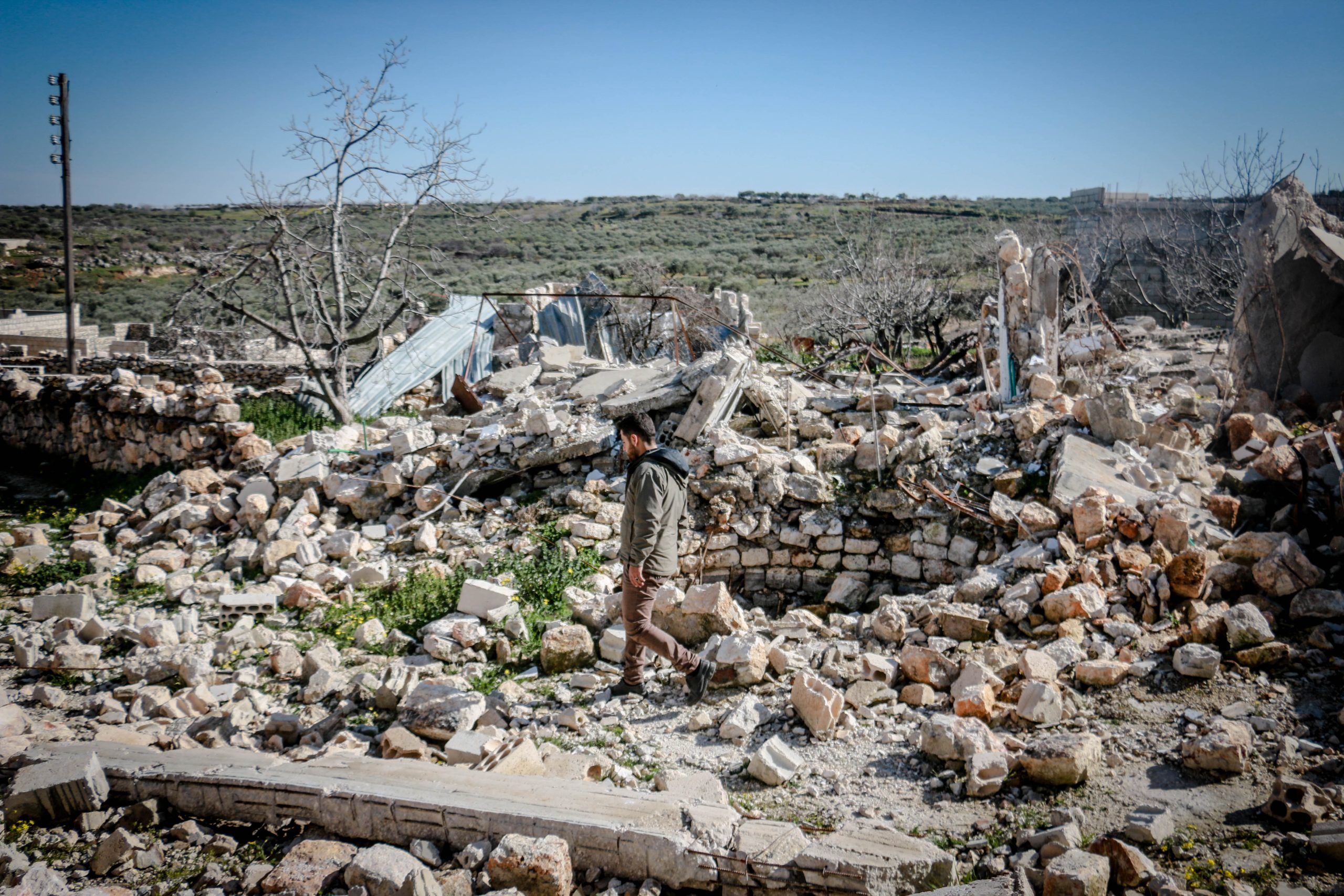
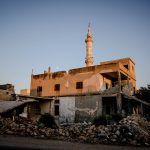
Many people have lost their houses and means of support as a result of one of the strongest earthquakes to ever hit the area, and they urgently need assistance.

Syria

Two planes carrying emergency aid landed in Damascus as part of an EU humanitarian air bridge for Syria, providing additional assistance to Syrians affected by the earthquake. The planes dropped off much-needed relief items like winterized tents, shelter equipment, and heaters. These are the first such flights to land in Damascus, but they are part of a series of flights transporting aid from the EU’s own humanitarian stockpiles in Brindisi and Dubai to Syrians in both government and non-government controlled areas, using the  European Humanitarian Response Capacity. Overall, the EU humanitarian air bridge will deliver 420 tonnes of aid to Syria, including 225 tonnes from the EU’s own humanitarian stockpiles worth €1.1 million.

In addition, 15 European countries (Austria, Bulgaria, Cyprus, Germany, Greece, Finland, France, Italy, Latvia, Norway, Poland, Romania, Sweden, Slovakia and Slovenia) have offered in-kind assistance to Syria in response to the activation of EU Civil Protection Mechanism on 8 February. The donations include tents, beds, blankets, heaters, hygiene parcels, generators, food, medical supplies, and more. The aid is being delivered to the people most in need – both in government-controlled and non-government controlled areas in Northwest Syria.

An EU civil protection team is in Beirut coordinating the delivery of the assistance to Syria, and EU humanitarian experts are also present in Syria working with partners to ensure the aid reaches the most vulnerable.

So far, the EU has responded to the earthquake with €10 million of humanitarian assistance, including €3.9 million in new funds and more than €6 million repurposed through ongoing humanitarian projects.

EU humanitarian aid has been operating in Syria for the past 12 years and has helped to deliver aid on all sides based on the humanitarian principles of impartiality and neutrality.
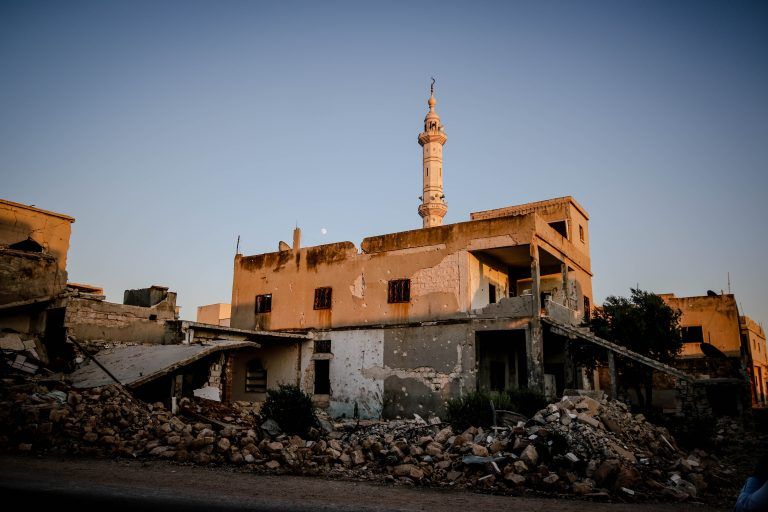
EU reviews measures restricting aid to Syria to speed up delivery of humanitarian aid

Türkiye

More than 1,650 rescuers and 110 search dogs were deployed via the EU Civil Protection Mechanism to support the search and rescue operations in Türkiye. While the rescue teams have de-mobilised, 5 medical teams from Albania, Belgium, France, Italy, and Spain are still operating on the ground and have treated more than 4,000 people so far. 20 EU Member States have also offered shelter items, medical equipment, food and clothes via the Mechanism.

The EU has, thus far, allocated around €5.7 million for humanitarian assistance to help people affected by the earthquake in Türkiye. From the onset of the earthquake, our humanitarian partners are providing the victims with food assistance, healthcare, access to water and sanitation services, cash assistance, and shelter.

Furthermore, the European Commission and the Swedish Presidency of the Council of the EU are going to host a Donors’ Conference, in coordination with the Turkish authorities, in March in Brussels. The goal is to mobilise funds from the international community to support the people of Türkiye and Syria following this natural disaster.

More information

European Commission

Publicaciones relacionadas:

EU reviews measures restricting aid to Syria to speed up delivery of humanitarian aid EU maritime security: from strategy to action High-level Military Mobility Symposium discussed way ahead EU supports Afghan people with €268.3 million Foreign Affairs Council Main Results, 24 January 2022

Defence & Security,  EU News,  International Safety and Defence Politics assistance,  Earthquake,  EU,  huamnitarian aid

“This is a space for debate. All comments, for or against publication, that are respectful and do not contain expressions that are discriminatory, defamatory or contrary to current legislation will be published”.

Reader Interactions

Leave a Reply Cancel reply

Your email address will not be published. Required fields are marked *

This site uses Akismet to reduce spam. Learn how your comment data is processed.

Primary Sidebar

Footer

  • CDE Almería
  • Biblioteca Nicolás Salmerón – Universidad de Almería
  • Planta: 1ª, Despacho: 1.05.0B.
  • Ctra. Sacramento s/n. Almería (Spain)
  • Teléfono: (+34) 950 015266

HOME
NEWS
DOCUMENTATION
EUROPE ON THE NET
ABOUT US

  • LEGAL NOTICE
  • PRIVACY POLICY
  • COOKIE POLICY
  • ACCESSIBILITY
  • SITEMAP

Copyright © 2026 CDE Almería · Creative Commons LicenseThis work is licensed under a Creative Commons Attribution-NonCommercial 4.0 International License.

<p>El Centro de Documentación Europea de la Universidad de Almería utiliza cookies propias y de terceros para facilitar al usuario la navegación en su página Web y el acceso a los distintos contenidos alojados en la misma. Asimismo, se utilizan cookies analíticas de terceros para medir la interacción de los usuarios con el sitio Web. Pinche el siguiente enlace si desea información sobre el uso de cookies y como deshabilitarlas. </p>

Politica de privacidad

El Centro de Documentación Europea de la Universidad de Almería utiliza cookies propias y de terceros para facilitar al usuario la navegación en su página Web y el acceso a los distintos contenidos alojados en la misma. Asimismo, se utilizan cookies analíticas de terceros para medir la interacción de los usuarios con el sitio Web. Pinche el siguiente enlace si desea información sobre el uso de cookies y como deshabilitarlas. <a href="/politica-de-cookies" rel="noopener" target="_blank">Más información</a>

Cookies estrictamente necesarias

Las cookies estrictamente necesarias tiene que activarse siempre para que podamos guardar tus preferencias de ajustes de cookies.

Básicamente la web no funcionara bien si no las activas.

Estas cookies son:

  • Comprobación de inicio de sesión.
  • Cookies de seguridad.
  • Aceptación/rechazo previo de cookies.
Cookies de terceros

Esta web utiliza Google Analytics, Google Tag Manager y Yandex Metrika para recopilar información anónima tal como el número de visitantes del sitio, o las páginas más populares.

Dejar estas cookies activas nos permite mejorar nuestra web.

Política de cookies

Pinche el siguiente enlace si desea información sobre el uso de cookies y como deshabilitarlas. Más información