• Skip to primary navigation
  • Skip to main content
  • Skip to primary sidebar
  • Skip to footer
  • Bluesky
  • Facebook
  • Instagram
  • Twitter
  • YouTube
CDE Almería – Centro de Documentación Europea – Universidad de Almería

CDE Almería - Centro de Documentación Europea - Universidad de Almería

Centro de Documentación Europea de la Universidad de Almería

  • HOME
  • WHAT´S ON
    • EU NEWS
    • Activities
    • EU Calls and Awards
    • Radio Program «Europe with You»
  • DOCUMENTATION
    • EU Media Collection
      • Web Space
      • MEDIATHEQUE REPOSITORY
  • Europe on the net
    • Institutions
    • EU Representation in Spain
    • European information network of Andalusia
  • ABOUT US
    • Presentation
    • Services
    • People
    • Contact
  • Spanish
  • English

How to defend yourself against disinformation

Inicio » EU News » Education and Culture » Communication » How to defend yourself against disinformation

25 de October de 2024

In today’s complex digital and media landscape, citizens must become more resilient against disinformation. This is where media literacy can help, by enhancing critical thinking and helping citizens better navigate information, especially online, and identify and counter disinformation. Between 24 and 31 October, we mark Global Media and Information Literacy week, an occasion to raise awareness about the importance of promoting media and information literacy for all.
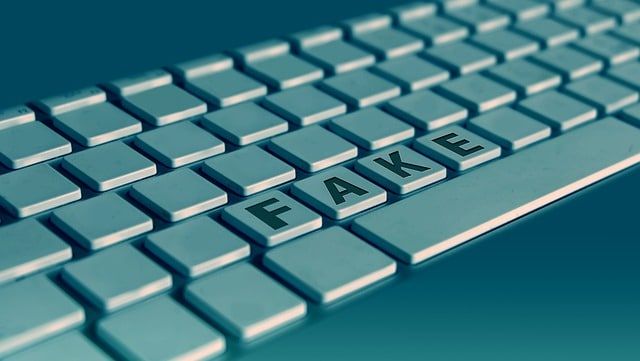
The EU supports EU countries and civil society in taking measures that develop media literacy skills and the Commission facilitates the sharing of best practices. Guidelines and toolkits have also been developed for teachers to help them ensure digital literacy through education.

In the context of the 2024 European elections, the Commission also released a number of awareness-raising products for wide and continuous use by citizens and professionals, and ran an EU-wide campaign, together with the European Regulators Group for Audiovisual Media Services.

The European Digital Media Observatory (EDMO) also brings together fact-checkers, academia and other relevant stakeholders. Supported by the Commission, EDMO contributes to identifying best practices in the field of media literacy, promoting knowledge exchange and to carrying out awareness-raising campaigns.

Disinformation, misinformation and foreign information manipulation and interference are a serious threat to democracy and societies. 86% of Europeans agree with this, noting that the rapid spread of disinformation is a major problem for democracy, according to an EU survey. Building societal resilience against disinformation through media literacy will therefore continue to play a crucial role in helping citizens of all ages to navigate the modern news environment and take informed decisions.

For more information: European Commission

Publicaciones relacionadas:

Bypassing age verification measures on social media The European Commission fights against disinformation Disinformation about Mariupol hospital Putin: The new tamer of neo-Nazism? Lorenzo Natali Media Prize 2022

Communication,  EU News disinformation,  European Commission,  Global Media and Information Literacy week,  Misinformation

“This is a space for debate. All comments, for or against publication, that are respectful and do not contain expressions that are discriminatory, defamatory or contrary to current legislation will be published”.

Reader Interactions

Leave a Reply Cancel reply

Your email address will not be published. Required fields are marked *

This site uses Akismet to reduce spam. Learn how your comment data is processed.

Primary Sidebar

Footer

  • CDE Almería
  • Biblioteca Nicolás Salmerón – Universidad de Almería
  • Planta: 1ª, Despacho: 1.05.0B.
  • Ctra. Sacramento s/n. Almería (Spain)
  • Teléfono: (+34) 950 015266

HOME
NEWS
DOCUMENTATION
EUROPE ON THE NET
ABOUT US

  • LEGAL NOTICE
  • PRIVACY POLICY
  • COOKIE POLICY
  • ACCESSIBILITY
  • SITEMAP

Copyright © 2026 CDE Almería · Creative Commons LicenseThis work is licensed under a Creative Commons Attribution-NonCommercial 4.0 International License.

<p>El Centro de Documentación Europea de la Universidad de Almería utiliza cookies propias y de terceros para facilitar al usuario la navegación en su página Web y el acceso a los distintos contenidos alojados en la misma. Asimismo, se utilizan cookies analíticas de terceros para medir la interacción de los usuarios con el sitio Web. Pinche el siguiente enlace si desea información sobre el uso de cookies y como deshabilitarlas. </p>

Politica de privacidad

El Centro de Documentación Europea de la Universidad de Almería utiliza cookies propias y de terceros para facilitar al usuario la navegación en su página Web y el acceso a los distintos contenidos alojados en la misma. Asimismo, se utilizan cookies analíticas de terceros para medir la interacción de los usuarios con el sitio Web. Pinche el siguiente enlace si desea información sobre el uso de cookies y como deshabilitarlas. <a href="/politica-de-cookies" rel="noopener" target="_blank">Más información</a>

Cookies estrictamente necesarias

Las cookies estrictamente necesarias tiene que activarse siempre para que podamos guardar tus preferencias de ajustes de cookies.

Básicamente la web no funcionara bien si no las activas.

Estas cookies son:

  • Comprobación de inicio de sesión.
  • Cookies de seguridad.
  • Aceptación/rechazo previo de cookies.
Cookies de terceros

Esta web utiliza Google Analytics, Google Tag Manager y Yandex Metrika para recopilar información anónima tal como el número de visitantes del sitio, o las páginas más populares.

Dejar estas cookies activas nos permite mejorar nuestra web.

Política de cookies

Pinche el siguiente enlace si desea información sobre el uso de cookies y como deshabilitarlas. Más información