• Skip to primary navigation
  • Skip to main content
  • Skip to primary sidebar
  • Skip to footer
  • Bluesky
  • Facebook
  • Instagram
  • Twitter
  • YouTube
CDE Almería – Centro de Documentación Europea – Universidad de Almería

CDE Almería - Centro de Documentación Europea - Universidad de Almería

Centro de Documentación Europea de la Universidad de Almería

  • HOME
  • WHAT´S ON
    • EU NEWS
    • Activities
    • EU Calls and Awards
    • Radio Program «Europe with You»
  • DOCUMENTATION
    • EU Media Collection
      • Web Space
      • MEDIATHEQUE REPOSITORY
  • Europe on the net
    • Institutions
    • EU Representation in Spain
    • European information network of Andalusia
  • ABOUT US
    • Presentation
    • Services
    • People
    • Contact
  • Spanish
  • English

Europol: 13 victims of human trafficking rescued in Spain

Inicio » Noticias UE » Defensa y Seguridad » Crime » Europol: 13 victims of human trafficking rescued in Spain

15 de March de 2024

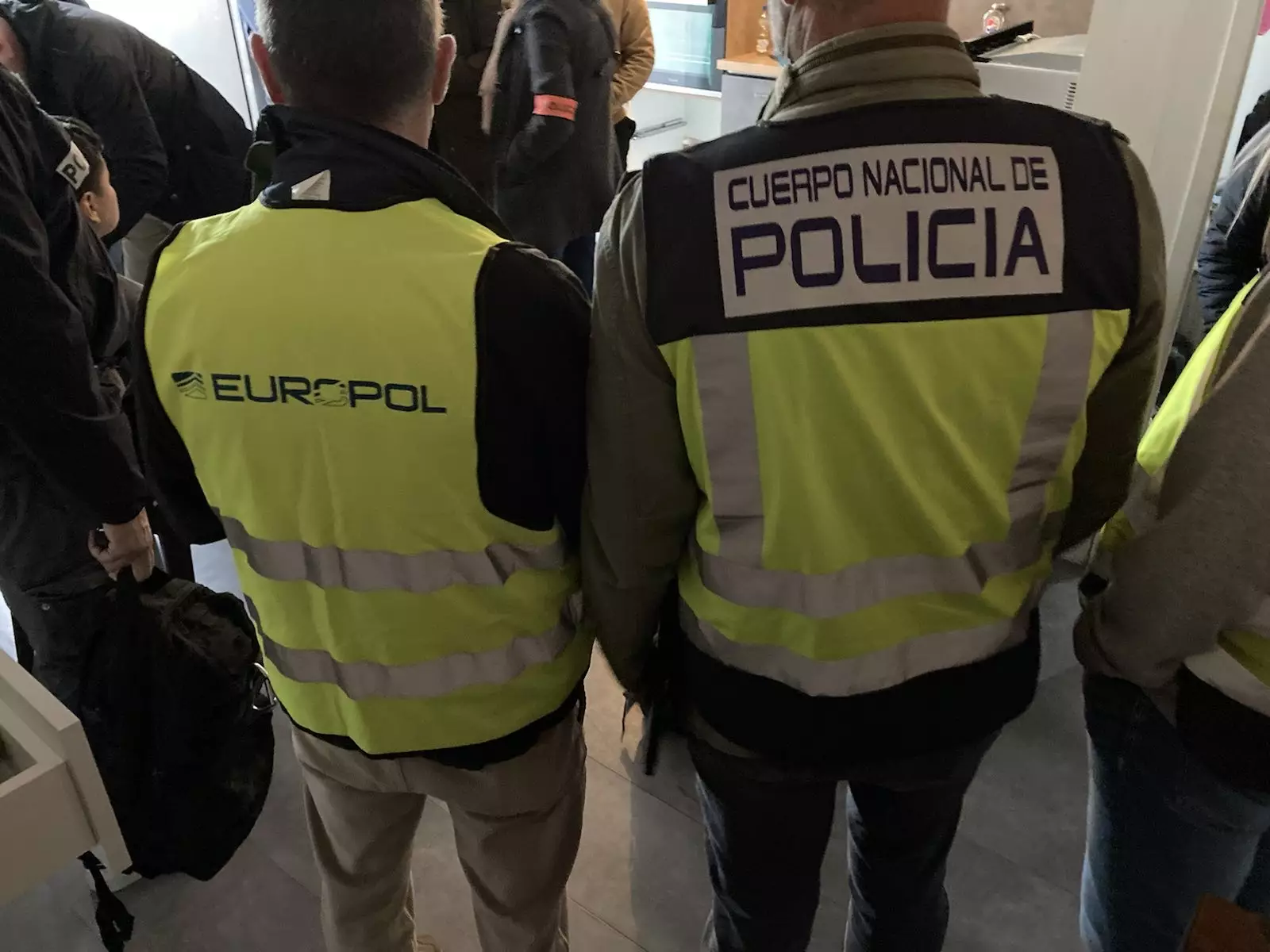
Europol has supported the Spanish National Police (Policía Nacional) and the Polish Border Guard (Straż Graniczna) in an operation targeting a criminal organisation trafficking human beings for the purposes of sexual and labour exploitation in Spain. The investigation has resulted in 17 arrests and the safeguarding of 13 victims.
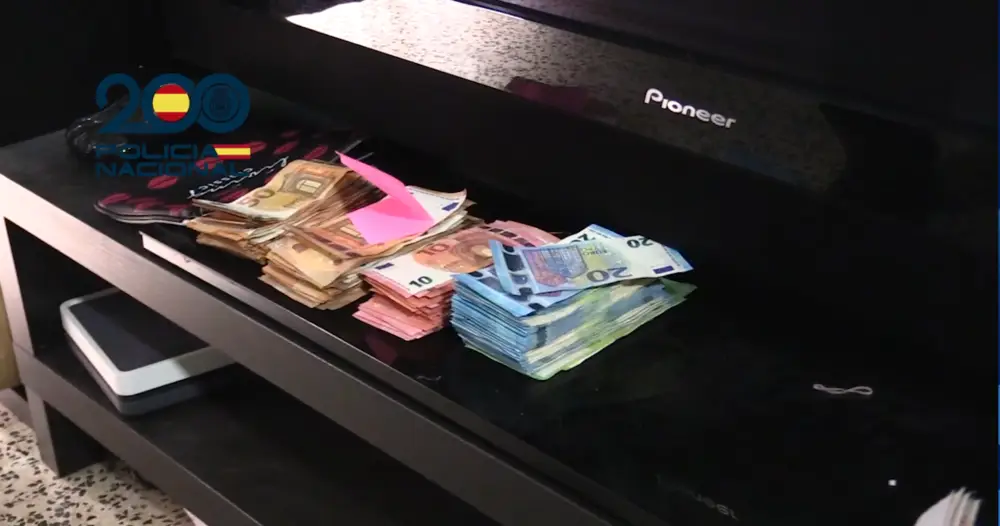
The suspects were arrested in Madrid, Palma, Barcelona and Poland during an action day on 14 November 2023. Seven house searches were also carried out, with six in Palma and one in Barcelona, leading to the seizure of electronic devices, documentation, and EUR 15 000 in cash.

The criminal network also profited from the sale of sexual invigorates, so that male customers would spend more time using their illicit services. The network channelled these profits through a catering company owned by the leader of the organisation.

Lured through a messaging app

The victims were lured into being trafficked by compatriots via a messaging app. The criminals charged victims EUR 15 000 for travel to Europe, which would be paid by the trafficker who received them in Poland. On occasions, this same individual would further extort the victims by forcing them to pay an extra EUR 400 per month.

From Poland, the victims would be transferred to Mallorca and promised a good job there. However, they were actually forced into prostitution in order to pay off the criminal network.

According to Spanish law enforcement, the victims lived under a regime of slavery where they had to be available 24 hours, 7 days a week, and were under permanent surveillance by the criminal organisation. They could keep only half of the benefits acquired from their sexual services and could not reject any clients.
Spain and France arrest gang involved in trafficking and exploitation of South American victims

Europol’s role in the investigation

Europol supported the operational activities, facilitated the exchange of information and provided analytical support. On the action day, Europol deployed one expert to Palma to cross-check operational information in real time, support investigators on the ground, and perform forensic extractions of the mobile phones used by the suspects.

The investigation benefited from funding from the European Multidisciplinary Platform Against Criminal Threats (EMPACT).

More information: Europol

Publicaciones relacionadas:

Spain dismantle a terrorist organisation recruiting and indoctrinating women Electricity bill of over €1.5 million leads police to 5 illegal marijuana plantations in Spain Guardias civiles registrando furgonetaOne of Europe’s biggest money launderers arrested in Spain Default Thumbnail32 arrests in series of actions against the Italian mafia in Spain Syrian gang leader arrested with 14 other suspects in Spain

Crime,  Defence & Security,  EU News EU Police Cycle,  Europol,  Human trafficking,  Spain,  Trafficking in human beings

“This is a space for debate. All comments, for or against publication, that are respectful and do not contain expressions that are discriminatory, defamatory or contrary to current legislation will be published”.

Reader Interactions

Leave a Reply Cancel reply

Your email address will not be published. Required fields are marked *

This site uses Akismet to reduce spam. Learn how your comment data is processed.

Primary Sidebar

Footer

  • CDE Almería
  • Biblioteca Nicolás Salmerón – Universidad de Almería
  • Planta: 1ª, Despacho: 1.05.0B.
  • Ctra. Sacramento s/n. Almería (Spain)
  • Teléfono: (+34) 950 015266

HOME
NEWS
DOCUMENTATION
EUROPE ON THE NET
ABOUT US

  • LEGAL NOTICE
  • PRIVACY POLICY
  • COOKIE POLICY
  • ACCESSIBILITY
  • SITEMAP

Copyright © 2026 CDE Almería · Creative Commons LicenseThis work is licensed under a Creative Commons Attribution-NonCommercial 4.0 International License.

<p>El Centro de Documentación Europea de la Universidad de Almería utiliza cookies propias y de terceros para facilitar al usuario la navegación en su página Web y el acceso a los distintos contenidos alojados en la misma. Asimismo, se utilizan cookies analíticas de terceros para medir la interacción de los usuarios con el sitio Web. Pinche el siguiente enlace si desea información sobre el uso de cookies y como deshabilitarlas. </p>

Politica de privacidad

El Centro de Documentación Europea de la Universidad de Almería utiliza cookies propias y de terceros para facilitar al usuario la navegación en su página Web y el acceso a los distintos contenidos alojados en la misma. Asimismo, se utilizan cookies analíticas de terceros para medir la interacción de los usuarios con el sitio Web. Pinche el siguiente enlace si desea información sobre el uso de cookies y como deshabilitarlas. <a href="/politica-de-cookies" rel="noopener" target="_blank">Más información</a>

Cookies estrictamente necesarias

Las cookies estrictamente necesarias tiene que activarse siempre para que podamos guardar tus preferencias de ajustes de cookies.

Básicamente la web no funcionara bien si no las activas.

Estas cookies son:

  • Comprobación de inicio de sesión.
  • Cookies de seguridad.
  • Aceptación/rechazo previo de cookies.
Cookies de terceros

Esta web utiliza Google Analytics, Google Tag Manager y Yandex Metrika para recopilar información anónima tal como el número de visitantes del sitio, o las páginas más populares.

Dejar estas cookies activas nos permite mejorar nuestra web.

Política de cookies

Pinche el siguiente enlace si desea información sobre el uso de cookies y como deshabilitarlas. Más información