
The Council adopted its negotiating mandate to start talks with the European Parliament on a proposal to update EU legislation on cross-border waste shipments. The aim is to ensure that international shipments of waste don’t pose a threat to human health and the environment, and to promote the use of waste as a resource in a circular economy.
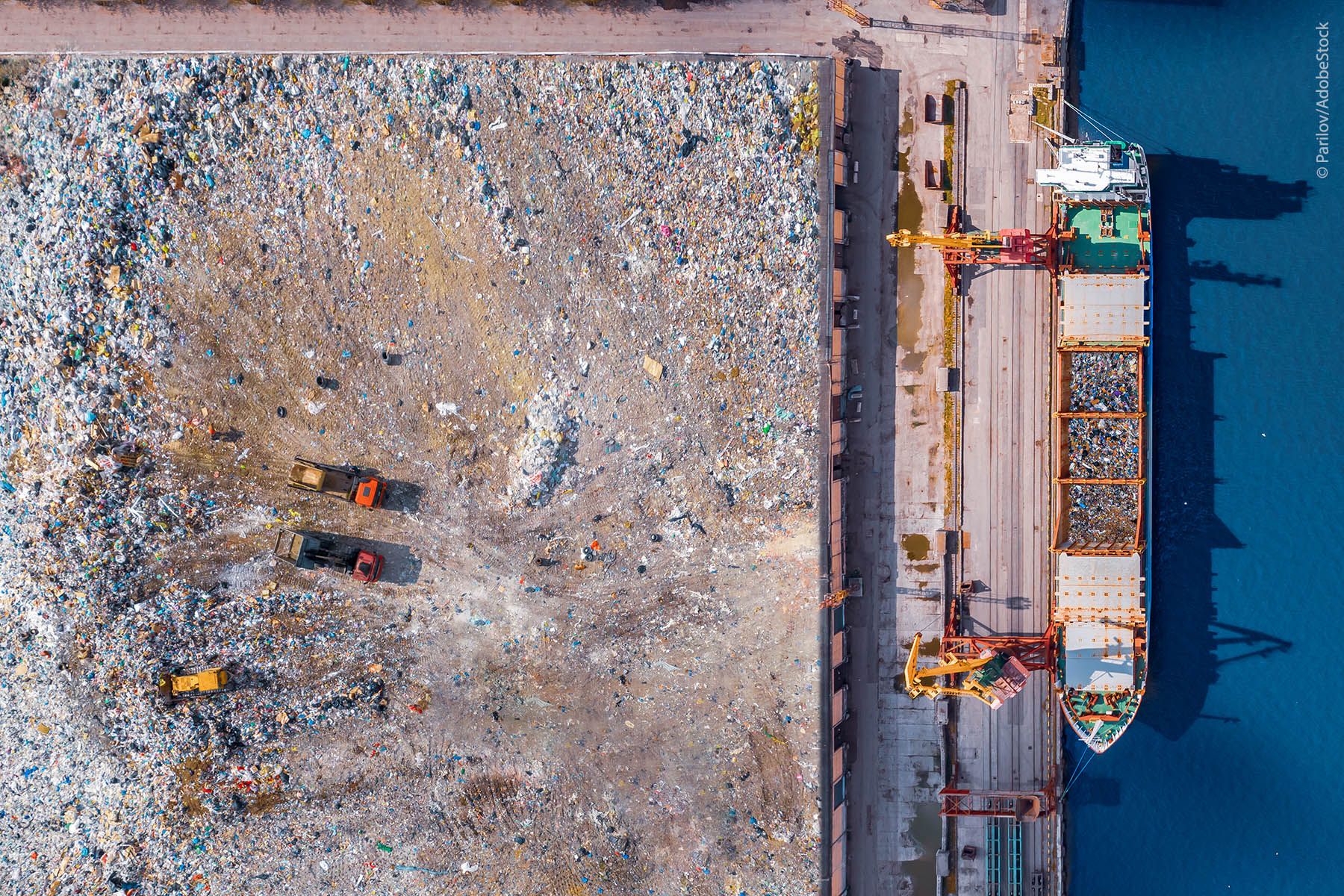
The proposal to revise the waste shipment regulation aims to:
ensure that waste is only sent to destinations where it’s properly treated
modernise, harmonise and digitalise procedures for shipments within the EU, and promote the transport of waste destined for recycling
tackle illegal waste shipments that pass through the cracks because of diverging procedures and lack of control
The Council’s stance
The Council in its negotiating mandate agreed with the broad objectives of the new proposal. It agreed notably to ban waste exports for disposal to another member state, except under strict conditions and to ban non-hazardous waste shipments to non-OECD countries, unless they expressly consent to it and can prove they treat the waste in an environmentally sound manner.

LIFE Programme: Circular Economy, resources from Waste, Air, Water, Soil, Noise, Chemicals, Bauhaus |
Scope and subject matter
The Council introduced several clarifications and changes. In particular it added a target to reach “climate neutrality” to the objectives of the directive. It also aligned a number of definitions, for example on “shipment”, “illegal shipment”, “notifier”, “route”, throughout the text and made them consistent with other legislative acts.
Intra-EU shipments
The Council introduced more realistic timelines in the procedure of prior written notification and consent, ‘PIC’. According to this procedure exporters need to notify and receive a written confirmation from the countries of dispatch, destination and transit prior to export. In addition, the Council strived to reduce the administrative burden and to bring the ‘PIC’ procedure more in line with the procedure as it is currently actually implemented in the member states.
As regards so-called ‘green-listed waste’, for which a less stringent procedure applies, the Council introduced stricter requirements to improve the control of these waste streams and a take-back procedure in case their shipments cannot be completed as intended.
For take-back obligations in the specific case of illegal shipments, the Council added a possibility for alternative arrangements for recovery or disposal of the waste instead of applying a take-back procedure.
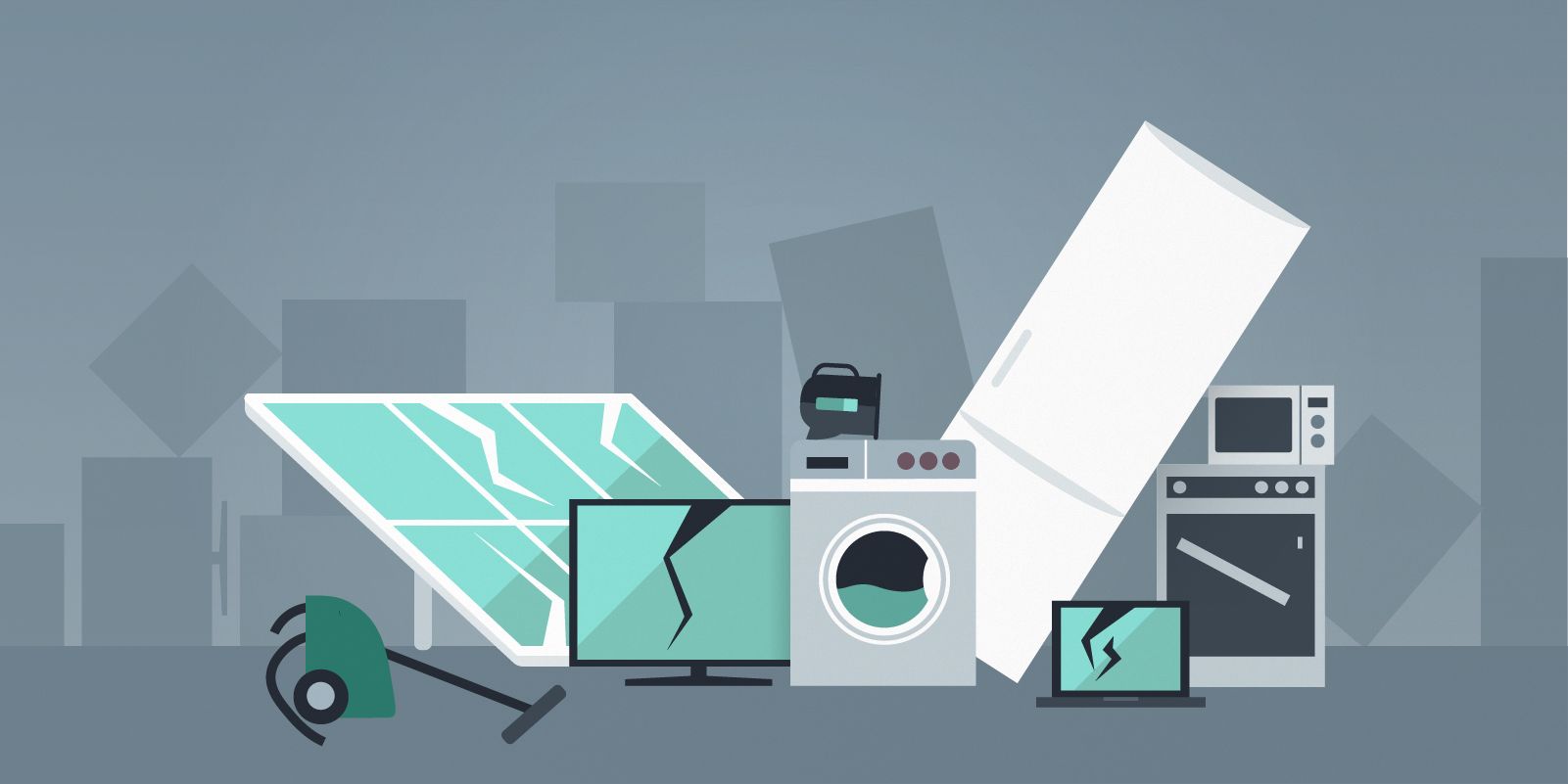
Electronic and electrical waste in the European Union |
Digitalised procedures
The Council supported the streamlining and digitalising of the notification, consent and information procedures for intra-EU shipments. The Council made several amendments to ensure clarity and consistency throughout the regulation in relation to the electronic exchange of documentation system. The Council also extended some notification timelines in order to give sufficient time to competent authorities to obtain and assess the information and documentation.
Exports of waste
For shipments outside the EU member states, the Council agreed that waste management facilities at the country of destination should be audited by independent bodies every three years. The audits would prove that the facilities treat waste in an environmentally sound manner and operators would only be allowed to export waste to these facilities if this is the case. Member states proposed to establish a register maintained by the Commission, that contains information on facilities that have been subject to an audit to help waste exporters prepare for shipments. Exporters would however still bear the responsibility for their exports being environmentally sound. The Council also clarified which waste, especially unlisted waste, can be exported and how.
The Council agreed to empower the Commission to adopt implementing acts setting criteria to differentiate between used goods and waste, to avoid waste being smuggled as used goods. The Commission would also be able to harmonise the classification of waste at EU level, notably by adopting delegated acts to set criteria, such as thresholds for contamination in wastes, in order to determine how harmful it is and avoid misunderstandings on whether they should be subject to the notification procedure.
Illegal shipments
The Council agreed to the Commission’s proposal to set up a waste shipment enforcement group, that would facilitate and improve cooperation and coordination between member states, in order to prevent and detect illegal shipments.
Member states agreed to empower the Commission to carry out investigative and coordinating actions in respect of illegal shipments. These actions would support and complement the member states’ enforcement activities, but not interfere with prosecutions or national legal proceedings.
Regarding penalties for infringements, the Council added flexibility for member states to adapt the provisions on penalties to their different national legal systems.
More information: EU Council
Publicaciones relacionadas:
 10th EU-US Energy Council
 Council and Parliament strike provisional deal to cut down deforestation worldwide
 Council and Parliament reach provisional deal on EU emissions trading system and the Social Climate Fund
 EU agrees stronger rules to boost energy efficiency
 Electronic and electrical waste in the European Union
Leave a Reply