• Skip to primary navigation
  • Skip to main content
  • Skip to primary sidebar
  • Skip to footer
  • Bluesky
  • Facebook
  • Instagram
  • Twitter
  • YouTube
CDE Almería – Centro de Documentación Europea – Universidad de Almería

CDE Almería - Centro de Documentación Europea - Universidad de Almería

Centro de Documentación Europea de la Universidad de Almería

  • HOME
  • WHAT´S ON
    • EU NEWS
    • Activities
    • EU Calls and Awards
    • Radio Program «Europe with You»
  • DOCUMENTATION
    • EU Media Collection
      • Web Space
      • MEDIATHEQUE REPOSITORY
  • Europe on the net
    • Institutions
    • EU Representation in Spain
    • European information network of Andalusia
  • ABOUT US
    • Presentation
    • Services
    • People
    • Contact
  • Spanish
  • English

European Parliament calls for a coordinated EU strategy against foreign interference

Inicio » EU News » Defence & Security » International Safety and Defence Politics » European Parliament calls for a coordinated EU strategy against foreign interference

28 de April de 2023

Political elites in the EU advancing Gazprom’s agenda and Hungary’s susceptibility to Russian intelligence activities are among many examples named in the new report.
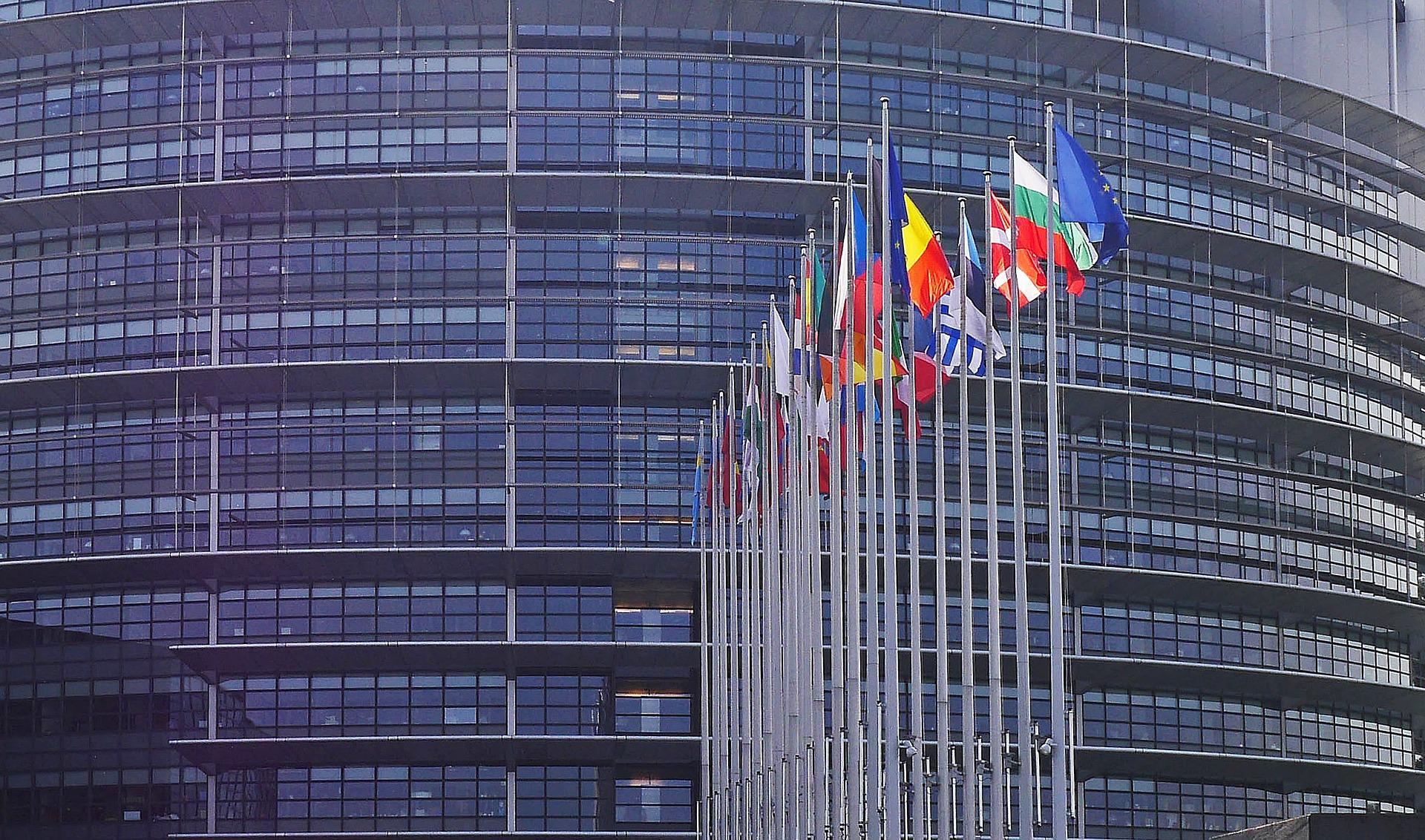
parlamento europeo

The EU needs a coordinated strategy against foreign interference and information manipulation (FIMI), including measures to enforce better existing provisions to fight it, say MEPs in a report adopted on Wednesday. They add that adequate funding should be provided for capacity-building activities to tackle disinformation and uphold democratic processes.

Russia’s war of aggression against Ukraine clearly made the link even more evident between attempts of FIMI and threats to the EU and its immediate neighbourhood, Western Balkans and Eastern Partnership countries, as well as global security and stability, warn MEPs on the Special Committee on Foreign interference (ING2).

MEPs are requesting that the Commission develop an effective Defence of Democracy Package, taking into account the Conference on the Future of Europe final proposals., MEPs suggest that, when dealing with foreign influence efforts, the EU should consider a more effective “risk-based approach” that bears in mind if a risk country, such as Russia, China, or Iran has been involved.

Critical infrastructure and interference during electoral processes

The report names many examples of foreign interference such as political elites advancing Gazprom’s agenda in Germany; susceptibility to Russian intelligence activities in Hungary; and targeting LGBTIQ+ community with disinformation campaigns in Slovakia, Hungary and Poland.

Concerned about the EU’s dependence on foreign actors and foreign technologies in critical infrastructures and supply chains, MEPs call on the Council and the Commission to exclude the use of equipment and software from manufacturers from high-risk countries, particularly China and Russia, such as TikTok, ByteDance, Huawei, ZTE, Kaspersky, NtechLab or Nuctech.
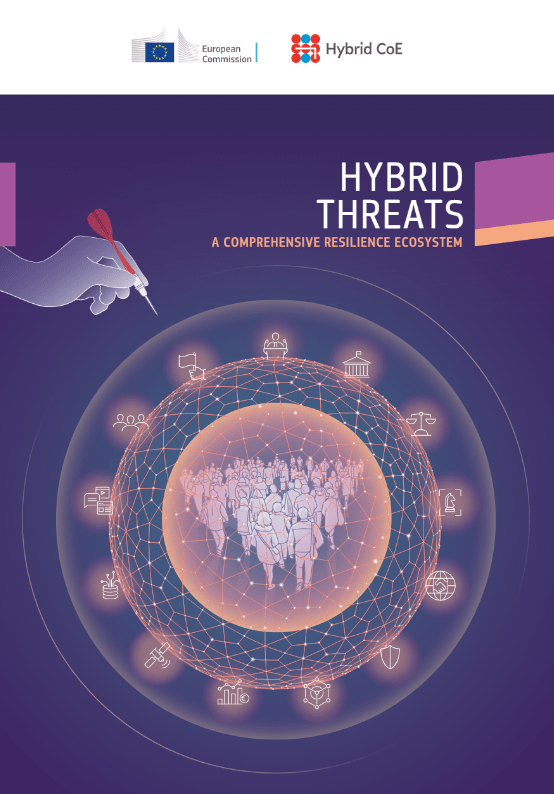
Hybrid threats. A Comprehensive Resilience Ecosystem 


The report urges the Commission to enable donations to be effectively traced to counter prohibited financial transactions from non-EU countries entering into the EU’s political system and calls on the member states to urgently address the issue of donations from third countries to national political parties and close existing loopholes in their legislation.

More cooperation within the EU and with like-minded partners

To foster operational exchange between national authorities and EU institutions and agencies, the report calls for a specialised EU “knowledge hub” to deal with threat intelligence.

Stressing that increased interference and information manipulation is expected in the run-up to the 2024 European elections, MEPs suggest establishing a Rapid Alert System for members of European and national parliaments to counter online disinformation and prevent sharing.

Finally, MEPs call for closer cooperation with like-minded partners to counter FIMI, and to increase cooperation on strategic communication to counter manipulated narratives in the EU neighbourhood and the Global South.

The report was adopted by 27 votes in favour, 1 against and 1 abstentions.

More information: European Parliament

Publicaciones relacionadas:

Defence & Security,  EU News,  International Safety and Defence Politics EU strategy,  European elections,  European Parliament,  foreign interference

“This is a space for debate. All comments, for or against publication, that are respectful and do not contain expressions that are discriminatory, defamatory or contrary to current legislation will be published”.

Reader Interactions

Leave a Reply Cancel reply

Your email address will not be published. Required fields are marked *

This site uses Akismet to reduce spam. Learn how your comment data is processed.

Primary Sidebar

Footer

  • CDE Almería
  • Biblioteca Nicolás Salmerón – Universidad de Almería
  • Planta: 1ª, Despacho: 1.05.0B.
  • Ctra. Sacramento s/n. Almería (Spain)
  • Teléfono: (+34) 950 015266

HOME
NEWS
DOCUMENTATION
EUROPE ON THE NET
ABOUT US

  • LEGAL NOTICE
  • PRIVACY POLICY
  • COOKIE POLICY
  • ACCESSIBILITY
  • SITEMAP

Copyright © 2026 CDE Almería · Creative Commons LicenseThis work is licensed under a Creative Commons Attribution-NonCommercial 4.0 International License.

<p>El Centro de Documentación Europea de la Universidad de Almería utiliza cookies propias y de terceros para facilitar al usuario la navegación en su página Web y el acceso a los distintos contenidos alojados en la misma. Asimismo, se utilizan cookies analíticas de terceros para medir la interacción de los usuarios con el sitio Web. Pinche el siguiente enlace si desea información sobre el uso de cookies y como deshabilitarlas. </p>

Politica de privacidad

El Centro de Documentación Europea de la Universidad de Almería utiliza cookies propias y de terceros para facilitar al usuario la navegación en su página Web y el acceso a los distintos contenidos alojados en la misma. Asimismo, se utilizan cookies analíticas de terceros para medir la interacción de los usuarios con el sitio Web. Pinche el siguiente enlace si desea información sobre el uso de cookies y como deshabilitarlas. <a href="/politica-de-cookies" rel="noopener" target="_blank">Más información</a>

Cookies estrictamente necesarias

Las cookies estrictamente necesarias tiene que activarse siempre para que podamos guardar tus preferencias de ajustes de cookies.

Básicamente la web no funcionara bien si no las activas.

Estas cookies son:

  • Comprobación de inicio de sesión.
  • Cookies de seguridad.
  • Aceptación/rechazo previo de cookies.
Cookies de terceros

Esta web utiliza Google Analytics, Google Tag Manager y Yandex Metrika para recopilar información anónima tal como el número de visitantes del sitio, o las páginas más populares.

Dejar estas cookies activas nos permite mejorar nuestra web.

Política de cookies

Pinche el siguiente enlace si desea información sobre el uso de cookies y como deshabilitarlas. Más información