
Renewable energy, the circular economy, migration and online security are all on Parliament’s agenda for 2023.
Digital transformation
Cryptocurrencies, artificial intelligence, semiconductors and data sharing will all be discussed by Parliament in 2023.
MEPs will agree a position on a legal framework for artificial intelligence in January, which aims to introduce a common regulatory and legal basis for artificial intelligence in line with EU values. The focus is on specific applications and possible risks.
Rules on cryptocurrencies to protect consumers and establish safeguards against market manipulation and financial crime are on the agenda in February.
MEPs will also work on the Data Act, establishing common rules to regulate the sharing of data when using connected products or related services. The aim is to make it easier to switch between providers of cloud storage and other data processing services. It would also put in place safeguards against unlawful international data transfer by cloud service providers.
In the wake of the global semiconductor shortage caused by the Covid-19 pandemic, Parliament will set out its position on the Chips Act, which aims to ensure that the EU has the essential skills, tools and technologies to become a leader in the field. The goal is to help achieve the digital and green transition as well as help boost production and avoid supply chain disruption.
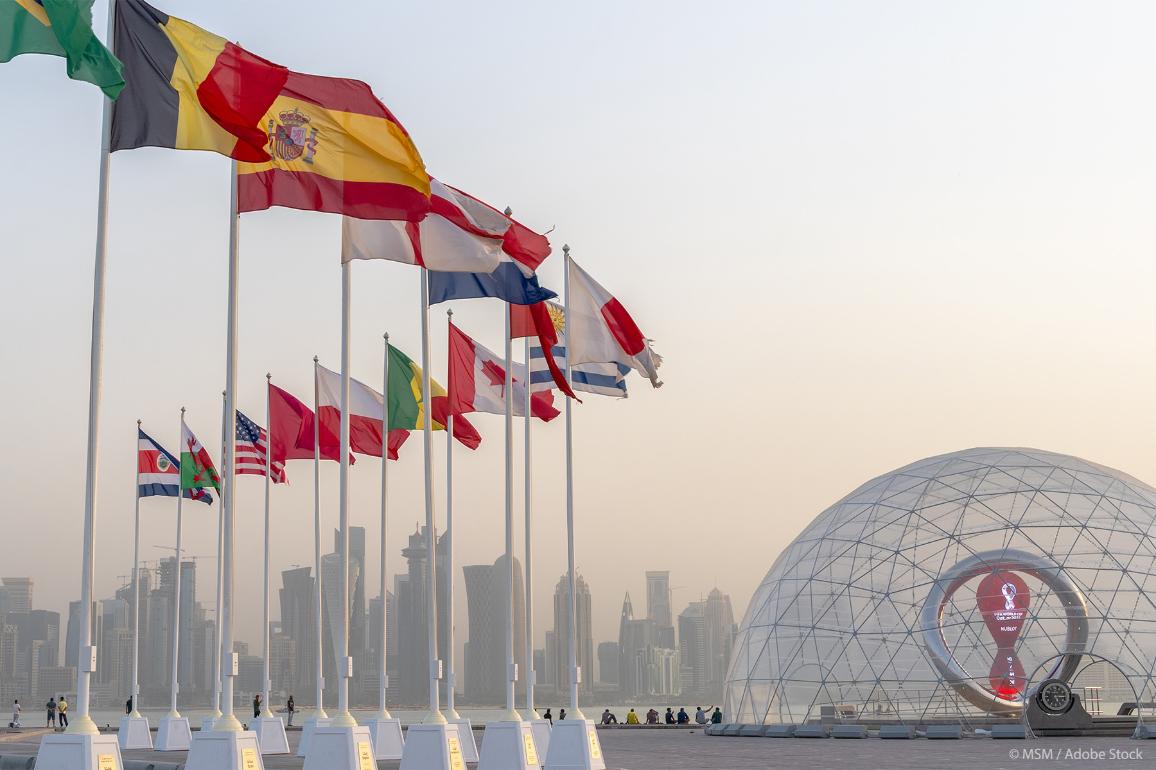
World Cup in Qatar: FIFA should help compensate families of dead migrant workers |
Political advertising
Parliament members will discuss rules to ensure a fairer and more open democratic process in the EU and prevent attempts to manipulate public opinion by increasing the transparency of sponsored political advertising.
Migration
Following the agreement on a joint roadmap on migration and asylum between Parliament and Council in September 2022, MEPs will work on proposals regarding the European Commission’s New Pact on Migration and Asylum. This includes dealing with migration management, screening procedures, resettlement framework and EU asylum procedures.
Decarbonisation
Parliament will continue to work towards achieving climate neutrality in the EU by decarbonising all sectors of the economy. In order to achieve the goals in the Fit for 55 package, MEPs will vote on new CO2 standards for cars and vans, the deployment of infrastructure for alternative fuels, a new framework for an internal hydrogen market, the reduction of methane emissions and fluorinated greenhouse gases, new rules to prevent companies avoiding EU emission rules by moving elsewhere and more ambitious targets for the emissions trading system.
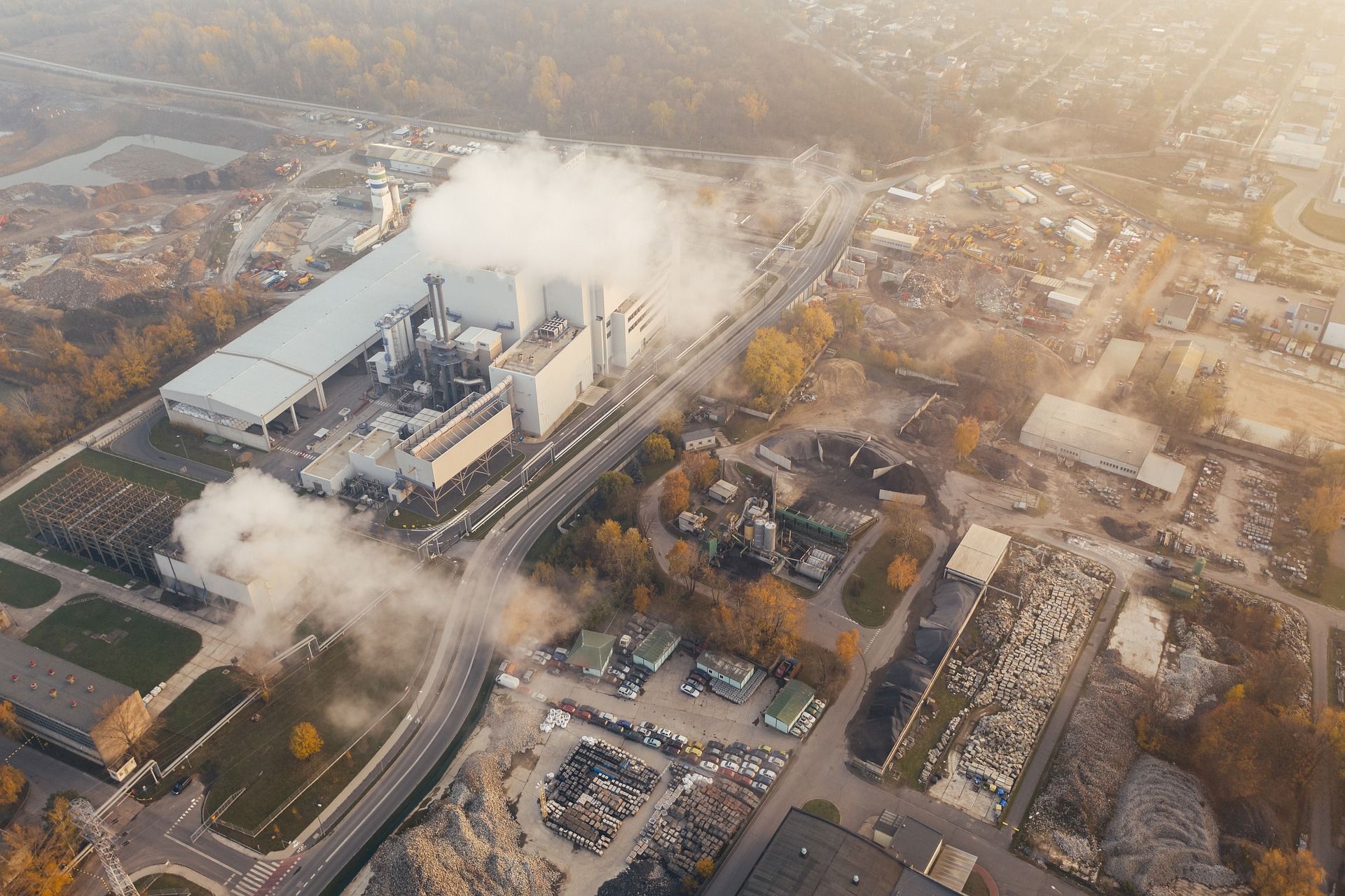
Council and Parliament reach provisional deal on EU emissions trading system and the Social Climate Fund |
Energy
Renewable energy plays a fundamental role in delivering the European Green Deal: achieving climate neutrality by 2050 and creating more energy independence. The EU aims to raise the share of renewable energy in gross final energy consumption to 40% by 2030 in order to achieve its greenhouse gas emissions reduction target. Parliament will also work on more ambitious targets for reducing energy use at EU level.
Circular economy
As part of the move towards a circular economy, Parliament will work on new ecodesign requirements for specific product groups, such as kitchen appliances, computers and servers, electric motors and tyres, to make them more durable, reusable and less harmful to the environment. MEPs will also work on EU targets to cut food waste as well as on a new strategy to make textiles more reusable and recyclable, to tackle the problem of textile waste.
Workers’ rights
In early 2023, MEPs will discuss new rules to improve working conditions of people working through digital labour platforms in the EU. Currently EU labour law does not protect the rights of platform workers. The proposal includes ensuring a legal employment status that corresponds to the actual work arrangements, promoting and improving transparency as well as fairness and the accountability of platform work.
Money laundering
Parliament will also work on new rules to tackle money laundering and the financing of terrorism.
Events
Parliament will invite young people to the European Youth Event in Strasbourg and online on 9-10 June 2023 to co-create and participate in shaping Europe’s future.
Source: European Parliament
Publicaciones relacionadas:
 Parliament backs deeper political and economic ties with Chile
 Debate on the State of the EU: the economy, security, climate change, AI and social media
 MEPs to discuss citizens’ petitions related to COVID-19
 Schengen, migration, asylum and security in times of COVID-19
 New EU-UK agreement is welcome but thorough scrutiny remains, insist lead MEPs
Leave a Reply