• Skip to primary navigation
  • Skip to main content
  • Skip to primary sidebar
  • Skip to footer
  • Bluesky
  • Facebook
  • Instagram
  • Twitter
  • YouTube
CDE Almería – Centro de Documentación Europea – Universidad de Almería

CDE Almería - Centro de Documentación Europea - Universidad de Almería

Centro de Documentación Europea de la Universidad de Almería

  • HOME
  • WHAT´S ON
    • EU NEWS
    • Activities
    • EU Calls and Awards
    • Radio Program «Europe with You»
  • DOCUMENTATION
    • EU Media Collection
      • Web Space
      • MEDIATHEQUE REPOSITORY
  • Europe on the net
    • Institutions
    • EU Representation in Spain
    • European information network of Andalusia
  • ABOUT US
    • Presentation
    • Services
    • People
    • Contact
  • Spanish
  • English

European Immunization Week 2019: 24-30 April 2019

Inicio » EU News » European Immunization Week 2019: 24-30 April 2019

29 de April de 2019

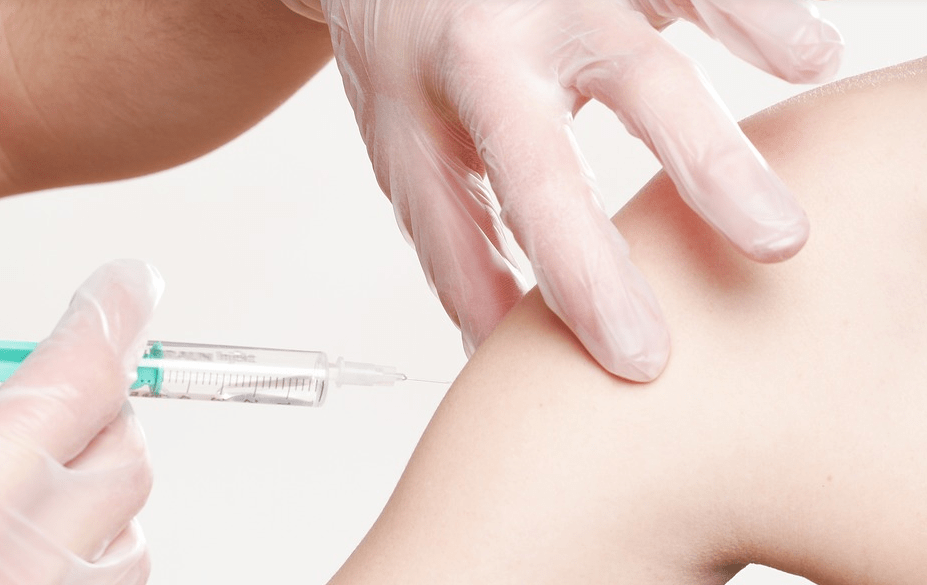
Vaccine-preventable diseases are making a comeback in Europe. Let’s take the example of measles, a potentially deadly disease.

From July 2017 to June 2018 alone, more than 13,000 cases of measles were reported across 29 countries of the European Economic Area. Among these, 30% were children younger than five years old. Measles is a highly contagious disease that can lead to serious complications such as blindness, encephalitis (an infection that causes brain swelling) or severe respiratory infections such as pneumonia. It is estimated that for every 1,000 children who contract the disease, between one to three may die. Vaccination can prevent children from contracting measles, but more and more children are not protected because their parents refuse or delay the life-saving shots.

According to the World Health Organization, the anti-vaccine movement is currently one of the top ten global health threats. This movement has already taken a heavy toll on public health worldwide, causing outbreaks of vaccine-preventable diseases that led to deaths, especially among children.

I have heard this question many times: “If those around me are vaccinated, why do you care if I refuse immunisation for myself or my child?”. I want to remind everyone that in every community there is a vulnerable minority — the very young, the elderly and people with chronic diseases — who cannot be vaccinated. Your newborn baby, your grandparent, your neighbour or friend could be one of those vulnerable people.

The great public health success of vaccines does not mean that we regulators will ever stop being vigilant. Continuous monitoring, collecting and analysing of side effects are key to keeping vaccines safe.

EMA supports European Immunization Week by celebrating these real life heroes. We have published a video that features some of them. We invite you to watch it and listen to what they have to say.

Protected together, #VaccinesWork!

Further information

Complete news

EMA

World Health Organisation

Publicaciones relacionadas:

New intraoperative probe for breast cancer tissue Global Report on Food Crises: acute hunger still affecting over 100 million people worldwide Figura en miniatura de un señor con un maletín sobre un mapa de EuropaCommission adopts €4 billion investment package for infrastructure projects across 10 Member States Enfoque a la bata de un Doctor con bolígrafos en el bolsillo delantero y un estetoscopio alrededor del sueñoBrexit preparedness in the area of Health and Food Safety Food safety: New rules to boost consumer trust approved by MEPs




EU News health

“This is a space for debate. All comments, for or against publication, that are respectful and do not contain expressions that are discriminatory, defamatory or contrary to current legislation will be published”.

Reader Interactions

Leave a Reply Cancel reply

Your email address will not be published. Required fields are marked *

This site uses Akismet to reduce spam. Learn how your comment data is processed.

Primary Sidebar

Footer

  • CDE Almería
  • Biblioteca Nicolás Salmerón – Universidad de Almería
  • Planta: 1ª, Despacho: 1.05.0B.
  • Ctra. Sacramento s/n. Almería (Spain)
  • Teléfono: (+34) 950 015266

HOME
NEWS
DOCUMENTATION
EUROPE ON THE NET
ABOUT US

  • LEGAL NOTICE
  • PRIVACY POLICY
  • COOKIE POLICY
  • ACCESSIBILITY
  • SITEMAP

Copyright © 2026 CDE Almería · Creative Commons LicenseThis work is licensed under a Creative Commons Attribution-NonCommercial 4.0 International License.

<p>El Centro de Documentación Europea de la Universidad de Almería utiliza cookies propias y de terceros para facilitar al usuario la navegación en su página Web y el acceso a los distintos contenidos alojados en la misma. Asimismo, se utilizan cookies analíticas de terceros para medir la interacción de los usuarios con el sitio Web. Pinche el siguiente enlace si desea información sobre el uso de cookies y como deshabilitarlas. </p>

Politica de privacidad

El Centro de Documentación Europea de la Universidad de Almería utiliza cookies propias y de terceros para facilitar al usuario la navegación en su página Web y el acceso a los distintos contenidos alojados en la misma. Asimismo, se utilizan cookies analíticas de terceros para medir la interacción de los usuarios con el sitio Web. Pinche el siguiente enlace si desea información sobre el uso de cookies y como deshabilitarlas. <a href="/politica-de-cookies" rel="noopener" target="_blank">Más información</a>

Cookies estrictamente necesarias

Las cookies estrictamente necesarias tiene que activarse siempre para que podamos guardar tus preferencias de ajustes de cookies.

Básicamente la web no funcionara bien si no las activas.

Estas cookies son:

  • Comprobación de inicio de sesión.
  • Cookies de seguridad.
  • Aceptación/rechazo previo de cookies.
Cookies de terceros

Esta web utiliza Google Analytics, Google Tag Manager y Yandex Metrika para recopilar información anónima tal como el número de visitantes del sitio, o las páginas más populares.

Dejar estas cookies activas nos permite mejorar nuestra web.

Política de cookies

Pinche el siguiente enlace si desea información sobre el uso de cookies y como deshabilitarlas. Más información