
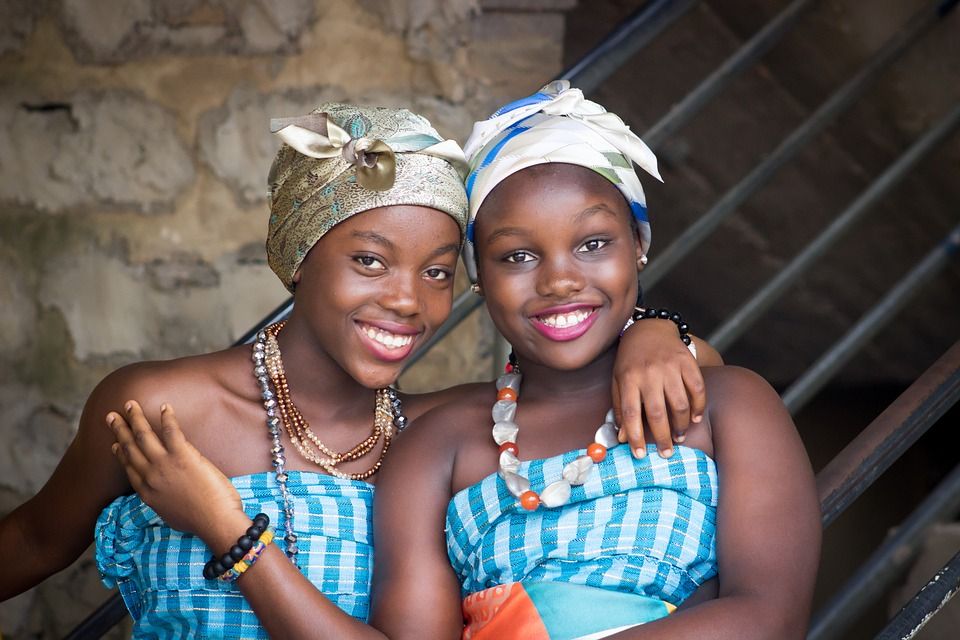
The 13th edition of the European Development Days (EDD), the leading global forum on development cooperation, kicks off in Brussels. The two day event will host more than 8,000 participants from 140 countries worldwide, representing 1,200 organisations from the development community, including Heads of State or Government, leading experts, key influencers and young leaders.
This year’s European Development Days theme is ‘Addressing inequalities: building a world which leaves no one behind‘. It will debate successes and failures in addressing inequalities in the context of the 2030 Agenda and the implementation of the SDGs.
Ahead of the event, European Commission President Jean-Claude Juncker said: “In these turbulent times, the EU is a force for good in this world and a reliable partner for all. We are the world’s largest development donor, but this is not charity, it is investment. Investment in growth, jobs and in building a better future for young people across the globe.”
Commissioner for International Cooperation and Development, Neven Mimica, added: “The European Development Days are about giving a voice to the whole development community, from world leaders to NGOs, business and industry leaders. Addressing inequalities is a necessary step in making our development cooperation more efficient and more meaningful in order to leave no one behind.”
President Jean-Claude Juncker will open the European Development Days, and in addition, Commissioners Neven Mimica, Christos Stylianides, Marianne Thyssen, Pierre Moscovici and Mariya Gabriel will participate in different events.
High level attendees
High-level speakers and participants include: Her Majesty Mathilde, Queen of the Belgians; Paul Kagame, President, Republic of Rwanda; Jorge Carlos Fonseca, President, Republic of Cabo Verde; Macky Sall, President, Republic of Senegal; Charles Michel, Prime Minister, Kingdom of Belgium; Lotay Tshering, Prime Minister, Kingdom of Bhutan; and Antonio Tajani, President, European Parliament. Tony Blair, David Miliband and Cesar Alierta are among the many other leading figures from partner organisations, the private sector and civil society participating in this year’s edition. Find out more about this year’s speakers here.
Fifteen young leaders from around the world will attend the EDD to debate inequalities but also to exchange ideas and experiences with world leaders and key policy-makers.
Thematic events
#EDD19 is structured around three main themes:
- Why inequalities matter for sustainable development;
- Understanding the structural causes of inequalities;
- Working together better through more effective policies to address inequalities.
In addition to a wide variety of sessions and high-level panels, the Lorenzo Natali Media Prize 2019will be awarded to three journalists in recognition of outstanding reporting on development cooperation issues such as gender equality, health or climate change.
Background
Despite the real progress that has been made, inequality is still a major impediment to sustainable development, limiting life chances by restricting access to everything from education and healthcare through to energy and sanitation.
For example, an estimated 19.9 million children still do not receive the required three doses of the DTP (diphtheria-tetanus-pertussis) vaccines during the first year of life. At least 200 million girls and women have been subjected to female genital mutilation. In 2017, 786 million people still lacked even a basic drinking water service and around 840 million people still did not have access to electricity. Around 750 million adults —two-thirds of whom are women— remained illiterate in 2016; three-quarters of them live in Southern Asia or sub-Saharan Africa.
The Commission is also issuing a document reflecting how to better address inequalities through EU development cooperation, notably by making existing development cooperation policies more relevant to addressing inequalities; mainstreaming the reduction of inequalities in our programmes and projects in partner countries; working more closely and effectively with partner countries, EU Member States and partner organisations; and building up a data and knowledge base around inequalities issues.
How to follow
The opening and closing sessions of the event, as well as several other highlights, will be broadcast on the European Development Days’ website, as well as on EbS.
Specific media facilities and opportunities are offered to the international press such as TV and radio studios, a press conference room, and a Facebook live corner (more information here).
All the latest information about the programme and topics can be found online on the EDD website.
More information about EDD in general can be found here.
Please check the Media page for the latest press updates.
Join the event and get involved
- Hashtag: #EDD19 #ThinkTwice
- Twitter: https://twitter.com/europeaid. Handle: @europeaid
- Facebook: https://www.facebook.com/europeaid
- Instagram: @europeaid
- Youtube: EUintheWorld
For more information
Publicaciones relacionadas:
 How has the EU progressed towards the Sustainable Development Goals?
 European Union presents its progress towards sustainable development
 Commission provides 20 cities with funding for different projects
 Mini robots to create patterns inspired by nature
 Commission increases national support to farmers up to €25,000
Leave a Reply