
The EU auditors found that, while the European Commission ensures that irregular expenditure is recorded accurately and promptly, getting this money back often takes too long. For jointly managed agricultural funds where member states have primary responsibility, recovery rates are generally low, but with significant differences between EU countries. From 2014-2022, €14 billion of such irregular EU expenditure (misspent funds) was reported in all areas. Recovering it is a key element of the European Union’s financial integrity and internal control system.
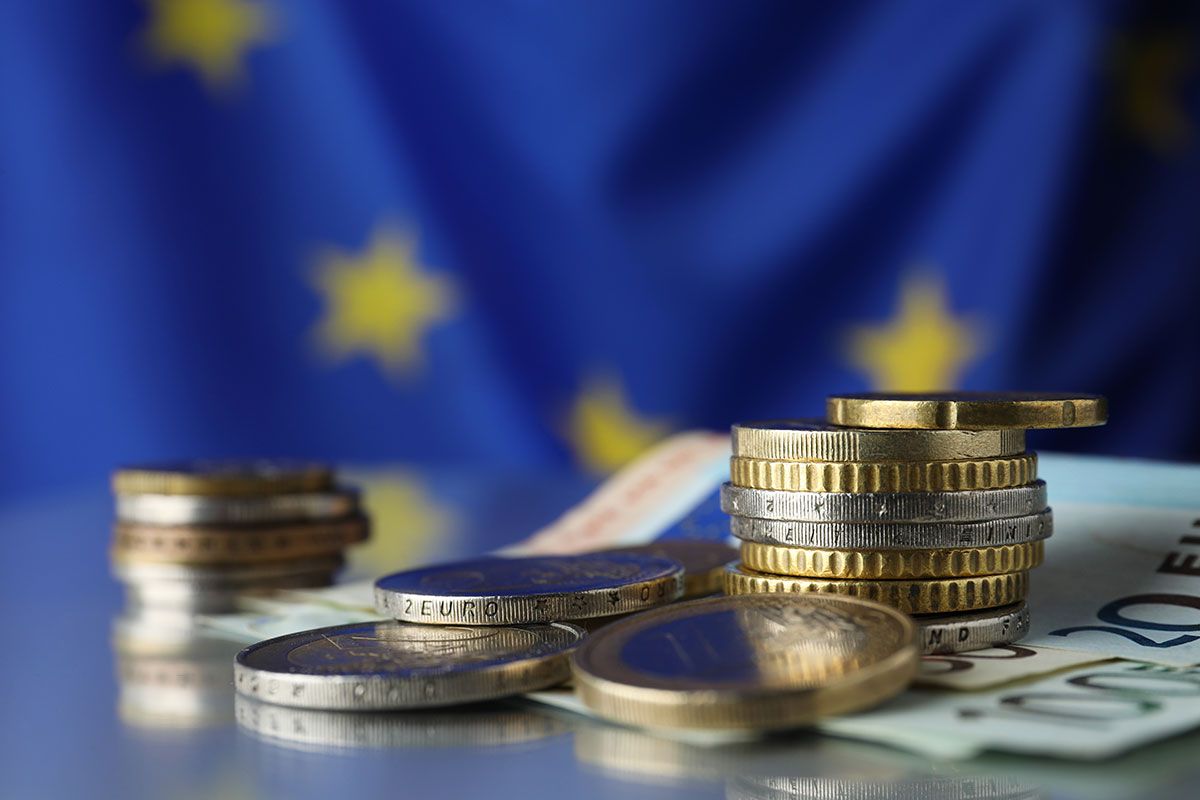
‘Recovering’ EU funds means requesting the refund of some or all of the amounts paid to an implementing organisation or beneficiary that was subsequently deemed not to have adhered to EU funding requirements. However, once that money has been paid out, it is often a lengthy process to get it back, if at all. The EU auditors noted that it typically takes 14-23 months from the end of the funded activities until a repayment request is even issued, and a further 3-5 months before the funds are retrieved, with 1-8% of them simply being waived.
‘No effort should be spared to recover misspent EU money without delay’, said Jorg Kristijan Petrovic, the ECA Member responsible for the audit. ‘The EU owes this to taxpayers, and any failure to recover money would be detrimental to EU citizens’ trust’.
According to the European Court of Auditor’s 2022 Annual Report, between 2021 and 2022 the rate of misspending rose from 3% to 4.2% of the budget, making the effective recovery of funds an increasingly pressing issue. However, since just 20% of the budget is directly managed by the European Commission, eliminating error and recovering those funds can be difficult.
The auditors found that the main issues with recovering funds under direct and indirect management lie in the long delay between a financial irregularity being identified and a recovery order being issued. They also found that there is incomplete information in external actions about the impact of some irregular expenditure.
To improve the timeliness of recoveries in the area of external actions, the auditors recommended reducing not only the time it takes to establish irregular expenditure, but also the time it takes to then launch recovery proceedings. To do so, they suggested improving the planning of audit work and examining the financial impact of systematic irregular expenditure. They also suggested that incentives that were present in the previous funding cycle should be reintroduced in order for member states to recover funds in agriculture. In the previous cycle, member states had to repay half of the funds that they had not recovered within 4-8 years to the EU budget.
The auditors further recommended that the Commission should provide accurate and complete annual data on what spending had been found to be irregular, and what measures were taken to correct it, so that the process can be refined in the future.
NextGenerationEU recovery plan – to be paid back by the next generation? |
Background information
The EU budget is not all directly disbursed by the European Commission. Around 70 % is jointly managed with member states, 20 % is directly managed, and 10 % is indirectly managed through other international organisations or third countries. The Commission’s responsibilities in this area vary, depending on the type of management mode and the policy area of the EU budget. As regards direct and indirect management, the Commission is responsible for identifying and recording irregular expenditure, and then recovering the funds. Under shared management, the Commission delegates responsibility for recording and recovering irregular expenditure to member states, but retains ultimate responsibility for assurance.
When EU funds are not spent in accordance with the rules, they are considered to be irregular expenditure, accounting for 4.2% of the budget in 2022. Some or all of this money may then be eligible for recovery either directly by the Commission, or by the member state or body that was responsible for the funds in the first place.
In their report, the EU auditors examine how the recovery process is managed and how effective it is, and make recommendations about how it can be improved.
More information about the EU budget and irregular expenditure can be found in the European Court of Auditor’s 2022 Annual Report, which reviews the overall financial health of the budget.
More information: European Court of Auditors
Publicaciones relacionadas:
 EU Cohesion Policy: €37.3 billion to Spain
 The European Commission adopted a proposal to adjust and further strengthen the current crisis management framework for banks
 European Commission takes steps to cut red tape in merger cases
 European Commission sends Statement of Objections on proposed takeover of Air Europa by IAG
 Ukraine: EU grants access to funding under the EU4Health
Leave a Reply