
The European Commission has published a report outlining the good progress made so far under the EU’s long-term rural vision, highlighting positive outcomes delivered since 2021 and presenting ideas for future work.
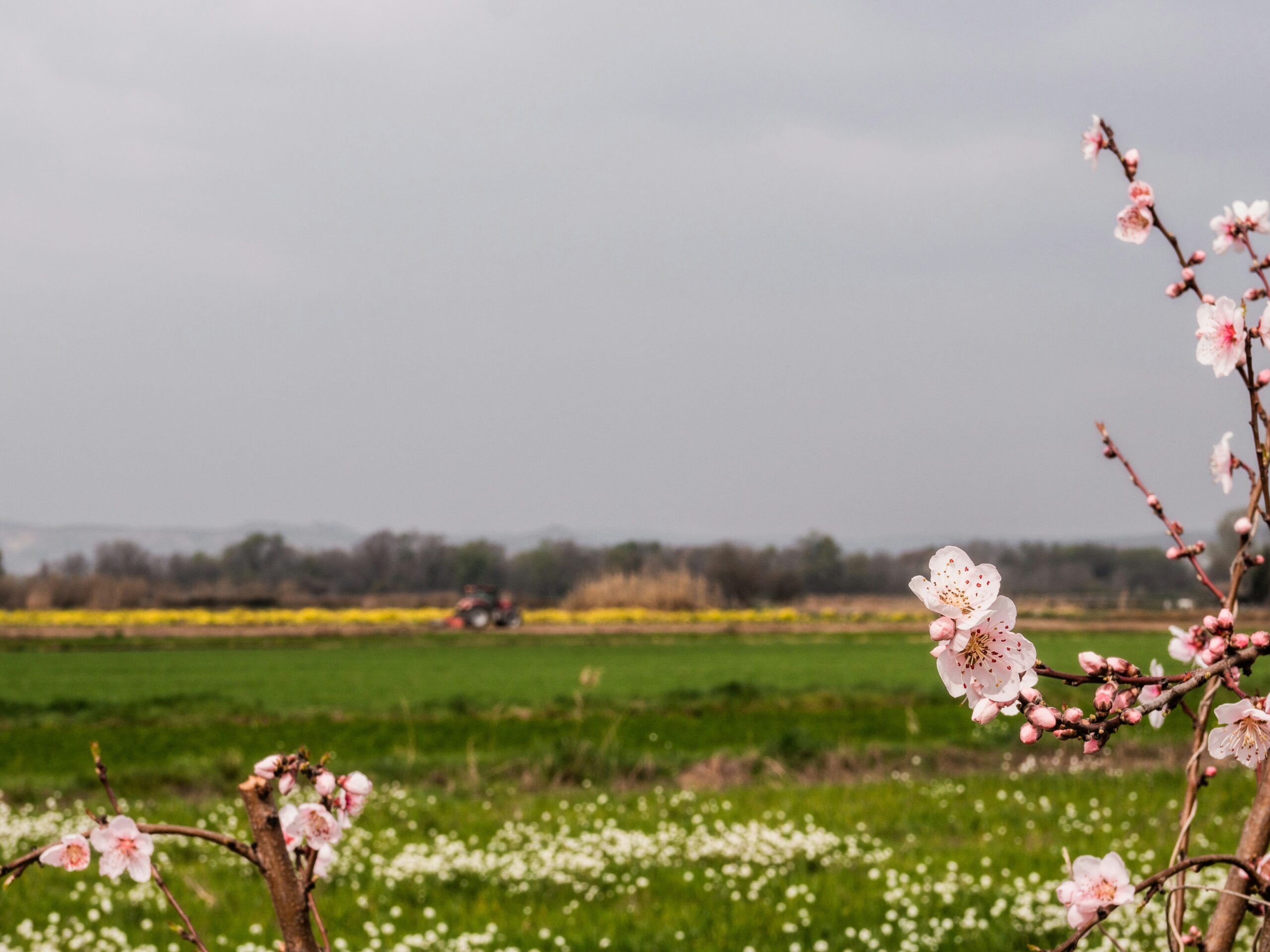
The report outlines progress made under the “Long-term vision for the EU’s rural areas” to support stronger, more connected, resilient and prosperous rural areas and communities. It presents 30 actions across a range of policy areas – of which nine are already completed.
Key achievements of the long-term vision to date include:
- Launching a rural revitalisation platform for areas facing demographic and economic challenges;
- Starting 60 rural research and innovation projects with a budget of €253 million contributing directly to rural areas;
- Supporting the implementation of LEADER and guiding around 150 communities towards the creation of smart villages through dedicated networking activities;
- Earmarking a total of €23.5 billion in grants and loans for underserved areas, as well as updated state aid rules to improve rural connectivity;
- Improving rural mobility and tourism planning through a dedicated European Rural Mobility Network;
- Creating the Rural energy community advisory hub, which has supported 27 rural energy communities;
- Supporting four dedicated projects to help developing the social economy in rural areas;
- Increasing the available number of datasets for rural areas and access to relevant rural data and analysis through the EU Rural Observatory and the new publication “Rural Europe”, improving capacities for rural proofing; and
- Launching the Rural toolkit to ease access to EU funding for rural areas and optimal combination to EU funding for rural areas.
The report highlights that strong engagement at Member State, regional, and local level is essential for delivering good outcomes. In this respect, the 2021 launch of the Rural Pact has been pivotal, with a dedicated governance body, collaborative platform and support office facilitating interactions and creating knowledge for rural communities.
Maintaining its commitment to the development of EU rural areas and communities, the Commission in this report identifies actions in the EU rural action plan where extra efforts are required – and others where continuity is needed – for overall objectives to be achieved.
It also looks to the future: taking stock of how the 2023-2027 CAP and Cohesion Policy have contributed to the rural vision, it presents ideas and questions for reflection on how EU polices and supports could be enhanced in the future.
Ursula von der Leyen, President of the European Commission, said: “Rural areas are a formative part of the European economy and cultural diversity. They are home to hundreds of millions of Europeans who enjoy living and working there. We stand by their side and want Europe’s rural areas to flourish. Europe is investing in rural areas because their prospects are Europe’s future.”
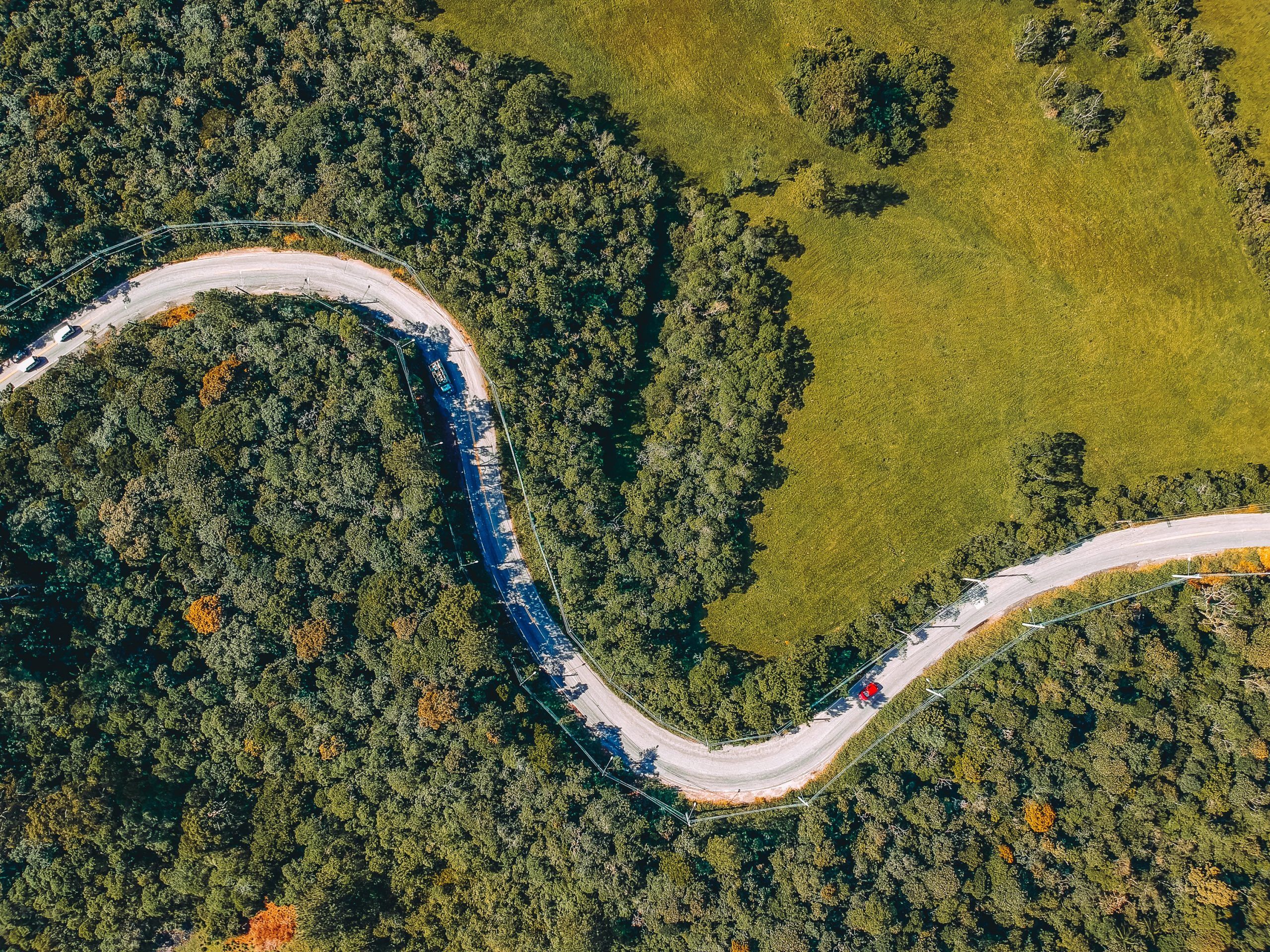
Easier access to EU funding for rural areas thanks to EU Rural Toolkit |
Background
The EU’s rural areas cover 83% of the EU territory and almost 1 out of 3 Europeans live in rural areas.
In June 2021, after an extensive consultation, the European Commission set out a long-term vision for the EU’s rural areas up to 2040. President Ursula von der Leyen launched this initiative in 2019, recognising that rural areas are a core part of Europe’s identity and economic potential and that we need to preserve them and invest in their future.
The long-term vision identified 10 shared goals and 4 areas of actions towards stronger, connected, resilient and prosperous rural areas by 2040. To achieve these goals, the Commission committed to launching a rural pact to mobilise public authorities and stakeholders to act on the needs and aspirations of rural residents. It also introduced an EU rural action plan, with 30 actions to be implemented by the Commission across a range of EU policy areas.
Today’s report is the first on the implementation of the rural vision, offering first insights into the progress achieved so far and reflections on future directions.
More information: European Commission
Publicaciones relacionadas:
 Commission allocates €186 million to promote sustainable and high quality EU agri-food products
 1 million for the landmark WTO fisheries subsidies agreement
 The European Commission is committed to talent in rural areas
 Commission paves the way to improve the movement of mobile machinery on public roads across the EU
 Agroecology: 14 EU-funded projects that are helping to shape the future of agriculture
Leave a Reply