
This follows the Commission’s proposal presented on 31 January, and discussions with Member States in committee meetings. The Regulation enters into force today, 14 February, and will apply retroactively from 1 January for one year, i.e. until 31 December 2024.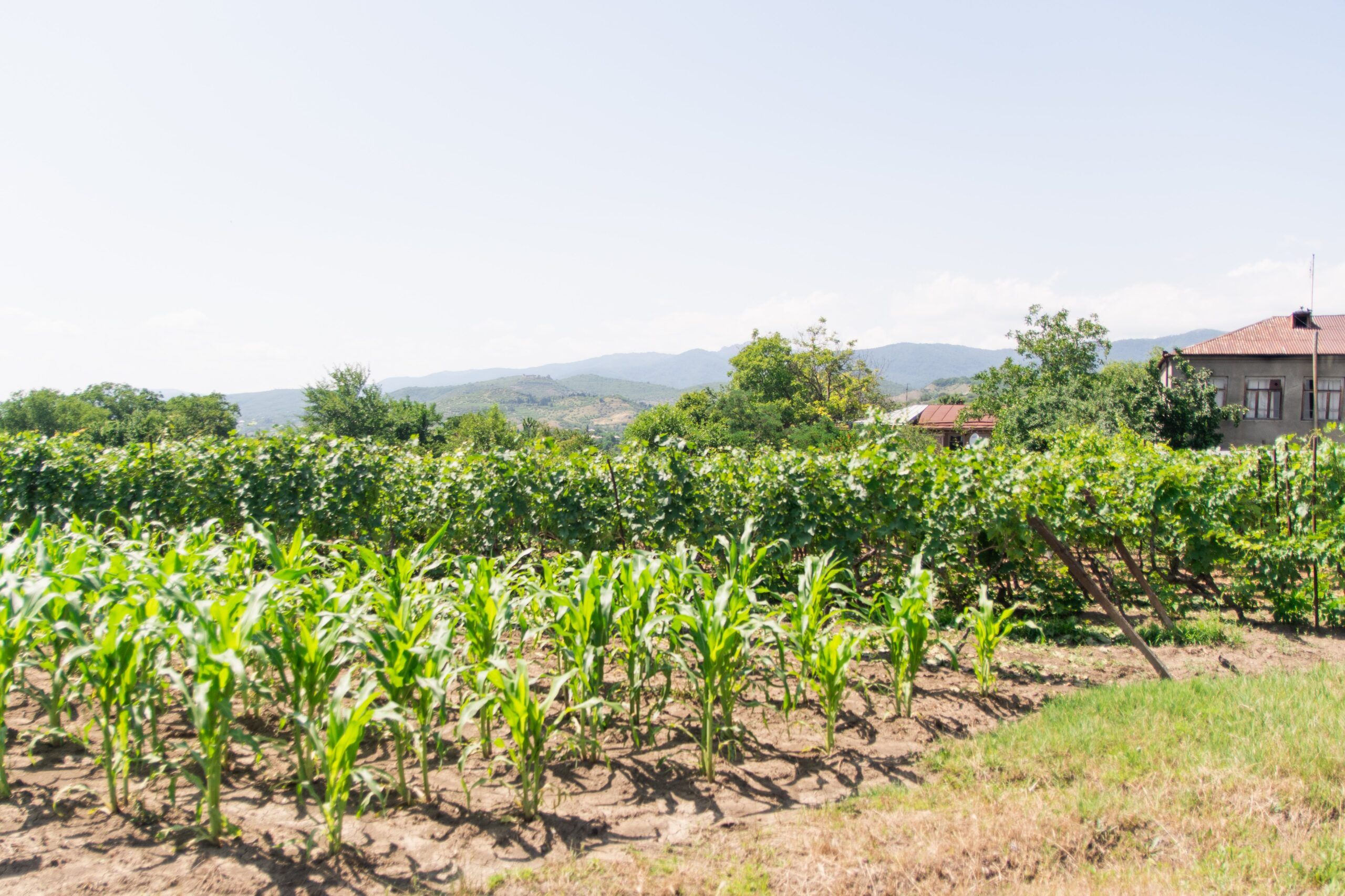
The partial exemption accommodates several requests for more flexibility, as requested by Member States to better respond to challenges facing EU farmers.
Instead of keeping land fallow or keeping unproductive features on 4% of their arable land, EU farmers growing nitrogen fixing crops (such as lentils, peas, or favas) and/or catch crops without plant protection products on 4% of their arable land will be considered as meeting the so-called GAEC 8 requirement. Those farmers who so decide can, however, continue fulfilling the requirement with land lying fallow or non-productive features.
The final act adopted also enables Member States to modify their eco-schemes that support non-productive areas to take into account the alternative baseline under GAEC 8 conditionality. A simple notification to the European Commission will be enough to immediately update the concerned eco-schemes.
Member States who wish to apply the derogation at national level need to notify the Commission within 15 days of entry into force of the Regulation so that farmers can be informed as soon as possible.
The Commission proposal is carefully calibrated to provide the right balance between offering appropriate relief and flexibility to farmers facing numerous challenges on the one hand, and protecting biodiversity and soil quality on the other hand.
Ursula von der Leyen, President of the European Commission, said:
“Only if our farmers can live off their land will they invest in the future. And only if we achieve our climate and environmental goals together, will farmers be able to continue to make a living. Our farmers are well aware of this. This measure offers flexibility to farmers while continuing to reward them for their crucial work to drive EU food security and sustainability. We will soon come forward with more proposals to help alleviate the pressure our farmers face.”
Commission proposes to allow EU farmers to derogate for one year from certain agricultural rules |
Background
To receive the CAP support they are entitled to, farmers must respect an enhanced set of nine standards beneficial to the environment and climate. This principle of conditionality applies to close to 90% of the utilised agricultural area in the EU and plays an important role in mainstreaming sustainable farming practices. This set of basic standards is referred to as GAECs, meaning “good agricultural and environmental conditions”.
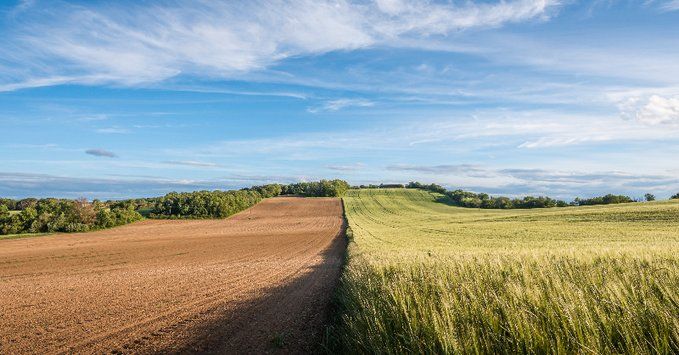
The GAEC 8 standard requires, among other things, devoting a minimum share of arable land to non-productive areas or features. The latter typically refers to land lying fallow but also non-productive landscape features such as hedges or trees. Farms with fewer than ten hectares of arable land are exempted from this obligation. On 31 January, the Commission proposed to give more flexibility to EU farmers receiving CAP support from this requirement.
On catch crops: these are plants that grow between two main crops. These crops can serve as fodder for animals, or as green manure. The use of nitrogen-fixing crops and catch crops brings a range of environmental benefits for soil health, including for soil biodiversity and for limiting nutrient leaching. The crops are to be grown without plant protection products to maintain the environmental ambition of the CAP.
More information: European Commission
Publicaciones relacionadas:
 Needs of farmers and agri-food companies are significant, also in light of the COVID-19 crisis
 Green Deal: from the local level to the global stage
 Long-term vision for rural areas: stronger, connected, resilient, and prosperous
 A fairer, greener agricultural policy for the period 2023-2027
Fisheries: EU and Norway strengthen cooperation for sustainable fishing in the Northeast Arctic
A fairer, greener agricultural policy for the period 2023-2027
Fisheries: EU and Norway strengthen cooperation for sustainable fishing in the Northeast Arctic
Leave a Reply