• Skip to primary navigation
  • Skip to main content
  • Skip to primary sidebar
  • Skip to footer
  • Bluesky
  • Facebook
  • Instagram
  • Twitter
  • YouTube
CDE Almería – Centro de Documentación Europea – Universidad de Almería

CDE Almería - Centro de Documentación Europea - Universidad de Almería

Centro de Documentación Europea de la Universidad de Almería

  • HOME
  • WHAT´S ON
    • EU NEWS
    • Activities
    • EU Calls and Awards
    • Radio Program «Europe with You»
  • DOCUMENTATION
    • EU Media Collection
      • Web Space
      • MEDIATHEQUE REPOSITORY
  • Europe on the net
    • Institutions
    • EU Representation in Spain
    • European information network of Andalusia
  • ABOUT US
    • Presentation
    • Services
    • People
    • Contact
  • Spanish
  • English

Eurobarometer: Protecting animal welfare is essential for Europeans

Inicio » EU News » Agriculture, Livestock Farming and Fisheries » Eurobarometer: Protecting animal welfare is essential for Europeans

23 de October de 2023

Protecting the welfare of animals is essential for Europeans, as shown by the results of a Eurobarometer survey published.
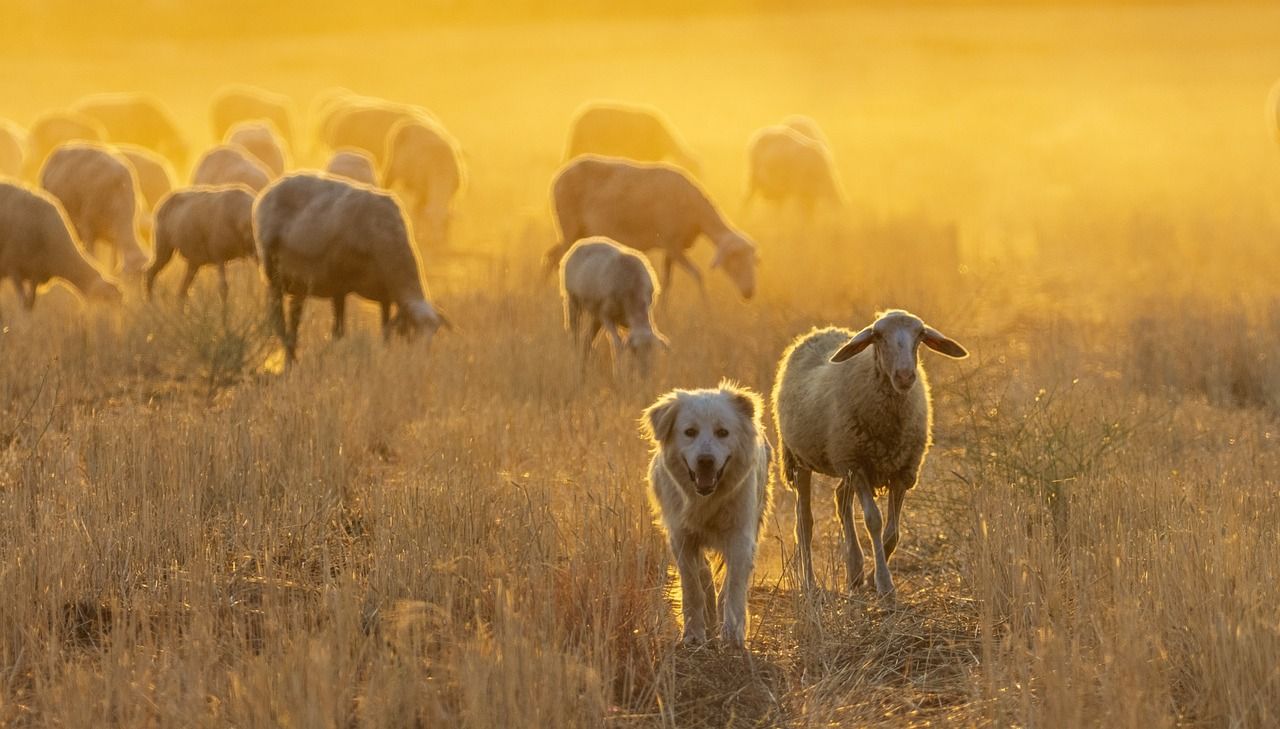
The Commission has been acting to improve animal welfare for over 40 years, progressively improving the lives of animals and adopting welfare standards in legislation that are amongst some of the highest in the world. This survey shows the importance of this topic for citizens across the EU.

A large majority of Europeans (84%) believe that the welfare of farmed animals should be better protected in their country than it is now. A similar number (83%) support limiting the transport time of animals. Almost three quarters of respondents (74%) support better protection of the welfare of pet animals in their country.

Over 90% of Europeans consider that farming and breeding practices should meet basic ethical requirements. These include offering animals enough space, sufficient food and water, environments adapted to their needs (mud, straw etc), and ensuring proper handling. The survey also showed a high level of concern for the welfare of animals in slaughterhouses.
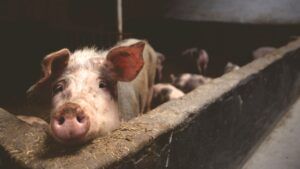
Citizens’ initiative to ban cages in animal farming

Three quarters of respondents found the practice of killing male baby chicks after birth to be unacceptable, while an overwhelming majority favoured a ban on cutting certain body parts of animals (tails, ears, beaks etc.) unless strictly necessary and with anaesthesia. On fur farming, over half of those surveyed (57%) consider that it should be strictly banned in the EU, while close to a third (32%) think it should only be maintained under improved welfare conditions.

When it comes to food imports from non-EU countries, over eight in ten Europeans (84%) believe that the current animal welfare situation should change, either by applying EU animal welfare rules to food imports or by labelling food according to the standards applied.

Despite the interviews being carried out in March 2023, when food prices were already very high due to inflation, 60% of the respondents indicated that they would be willing to pay more for products sourced from animal welfare-friendly farming systems. Around a quarter (26%) would be ready to pay up to 5% more for animal-welfare friendly food.

More information: European Commission

Publicaciones relacionadas:
Spanish team wins Farming by Satellite Prize 2020 Mujer comprando puerros en un supermercadoOrganic farming in the EU: a decade of growth AU-EU agrifood platform: reinforcing the link between the EU and African private sectors Commission prepares new initiatives to boost the organic farming sector New rules on food transparency and sustainability




Agriculture, Livestock Farming and Fisheries,  EU News,  Farming activity animal farming,  animal welfare,  animals,  Eurobaromete,  farmed animals,  farming,  pet animals,  slaughterhouses.

“This is a space for debate. All comments, for or against publication, that are respectful and do not contain expressions that are discriminatory, defamatory or contrary to current legislation will be published”.

Reader Interactions

Leave a Reply Cancel reply

Your email address will not be published. Required fields are marked *

This site uses Akismet to reduce spam. Learn how your comment data is processed.

Primary Sidebar

Footer

  • CDE Almería
  • Biblioteca Nicolás Salmerón – Universidad de Almería
  • Planta: 1ª, Despacho: 1.05.0B.
  • Ctra. Sacramento s/n. Almería (Spain)
  • Teléfono: (+34) 950 015266

HOME
NEWS
DOCUMENTATION
EUROPE ON THE NET
ABOUT US

  • LEGAL NOTICE
  • PRIVACY POLICY
  • COOKIE POLICY
  • ACCESSIBILITY
  • SITEMAP

Copyright © 2026 CDE Almería · Creative Commons LicenseThis work is licensed under a Creative Commons Attribution-NonCommercial 4.0 International License.

<p>El Centro de Documentación Europea de la Universidad de Almería utiliza cookies propias y de terceros para facilitar al usuario la navegación en su página Web y el acceso a los distintos contenidos alojados en la misma. Asimismo, se utilizan cookies analíticas de terceros para medir la interacción de los usuarios con el sitio Web. Pinche el siguiente enlace si desea información sobre el uso de cookies y como deshabilitarlas. </p>

Politica de privacidad

El Centro de Documentación Europea de la Universidad de Almería utiliza cookies propias y de terceros para facilitar al usuario la navegación en su página Web y el acceso a los distintos contenidos alojados en la misma. Asimismo, se utilizan cookies analíticas de terceros para medir la interacción de los usuarios con el sitio Web. Pinche el siguiente enlace si desea información sobre el uso de cookies y como deshabilitarlas. <a href="/politica-de-cookies" rel="noopener" target="_blank">Más información</a>

Cookies estrictamente necesarias

Las cookies estrictamente necesarias tiene que activarse siempre para que podamos guardar tus preferencias de ajustes de cookies.

Básicamente la web no funcionara bien si no las activas.

Estas cookies son:

  • Comprobación de inicio de sesión.
  • Cookies de seguridad.
  • Aceptación/rechazo previo de cookies.
Cookies de terceros

Esta web utiliza Google Analytics, Google Tag Manager y Yandex Metrika para recopilar información anónima tal como el número de visitantes del sitio, o las páginas más populares.

Dejar estas cookies activas nos permite mejorar nuestra web.

Política de cookies

Pinche el siguiente enlace si desea información sobre el uso de cookies y como deshabilitarlas. Más información