
Researchers are equipping policymakers with valuable data to help shape future ocean plastic pollution policy interventions. Their global analysis shows an unprecedented rise in ocean plastic since 2005.
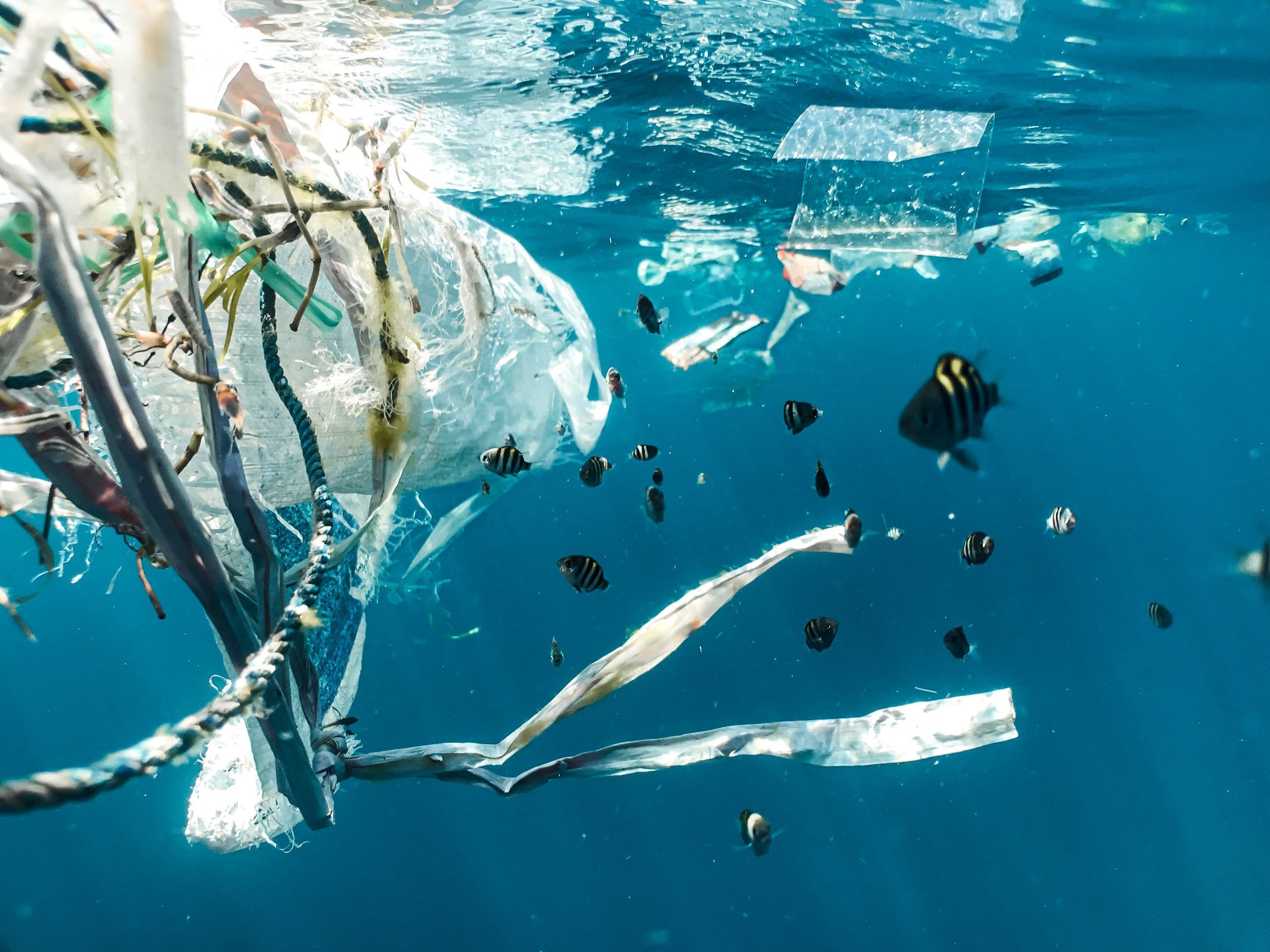
Have you ever wondered exactly how much plastic pollution has accumulated on the surface of our oceans around the world? A new study partly supported by the EU-funded MINKE project speaks of a growing ‘smog’ of more than 170 trillion floating plastic particles in oceans worldwide. Its findings were published in the open-access journal ‘PLOS One’.
To assess current and potential future risks that the planet faces, and whether the policies implemented today are effective, we need a better understanding of the global progression of plastic pollution over time. The EU-backed study extended beyond the northern hemisphere oceans and short time periods focused on by earlier researchers to cover surface-level plastic pollution collected from over 11 700 stations across six marine regions worldwide between 1979 and 2019. The marine regions included in the study were the North Atlantic, South Atlantic, North Pacific, South Pacific and Indian Oceans and the Mediterranean Sea.

Plastics, a growing environmental and climate concern: how can Europe revert that trend? |
Millions of tonnes worth of plastic particles
The researchers estimated today’s surface pollution level to be between 82 and 358 trillion plastic particles (a mean of 171 trillion particles, mostly microplastics) weighing 1.1 to 4.9 million (or a mean of 2.3 million) tonnes. They identified no clear detectable trend between 1979 and 1990 due to a relative lack of data, followed by what the study describes as “a fluctuating but stagnant trend” until 2005, and then a rapid increase until 2019.
“We’ve found an alarming trend of exponential growth of microplastics in the global ocean since the millennium, reaching over 170 trillion plastic particles. This is a stark warning that we must act now at a global scale. We need a strong, legally binding UN Global Treaty on plastic pollution that stops the problem at the source,” remarks the study’s first author Dr Marcus Eriksen of the 5 Gyres Institute in the United States in a ‘EurekAlert!’ news release.
According to Dr Eriksen and his co-authors, the rapid rise in ocean plastic pollution from 2005 onwards could be attributed to the exponential increase in plastic production globally and to changes in waste generation and management. These two factors are believed to have overwhelmed not only the natural export mechanisms that carry plastic out of the ocean surface layer, but also any positive impact made by early binding policy interventions. The authors warn: “Without substantial widespread policy changes, the rate at which plastics enter aquatic environments will increase approximately 2.6-fold from 2016 to 2040.”
The authors of the study supported by the MINKE (Metrology for Integrated Marine Management and Knowledge-Transfer Network) project conclude that “urgent international policy intervention” is needed “to minimize ecological, social, and economic harm.”
Source: CORDIS
Publicaciones relacionadas:
 Cutting emissions from planes and ships: EU actions explained
 Eurobarometer: Europeans seriously worried about air quality and call for stronger action
 The CJEU concludes that purchasers of cars affected by “dieselgate” will be entitled to compensation.
 European Council adopts regulation on CO2 emissions from new passenger cars and vans
 Agroecology: 14 EU-funded projects that are helping to shape the future of agriculture
Leave a Reply