
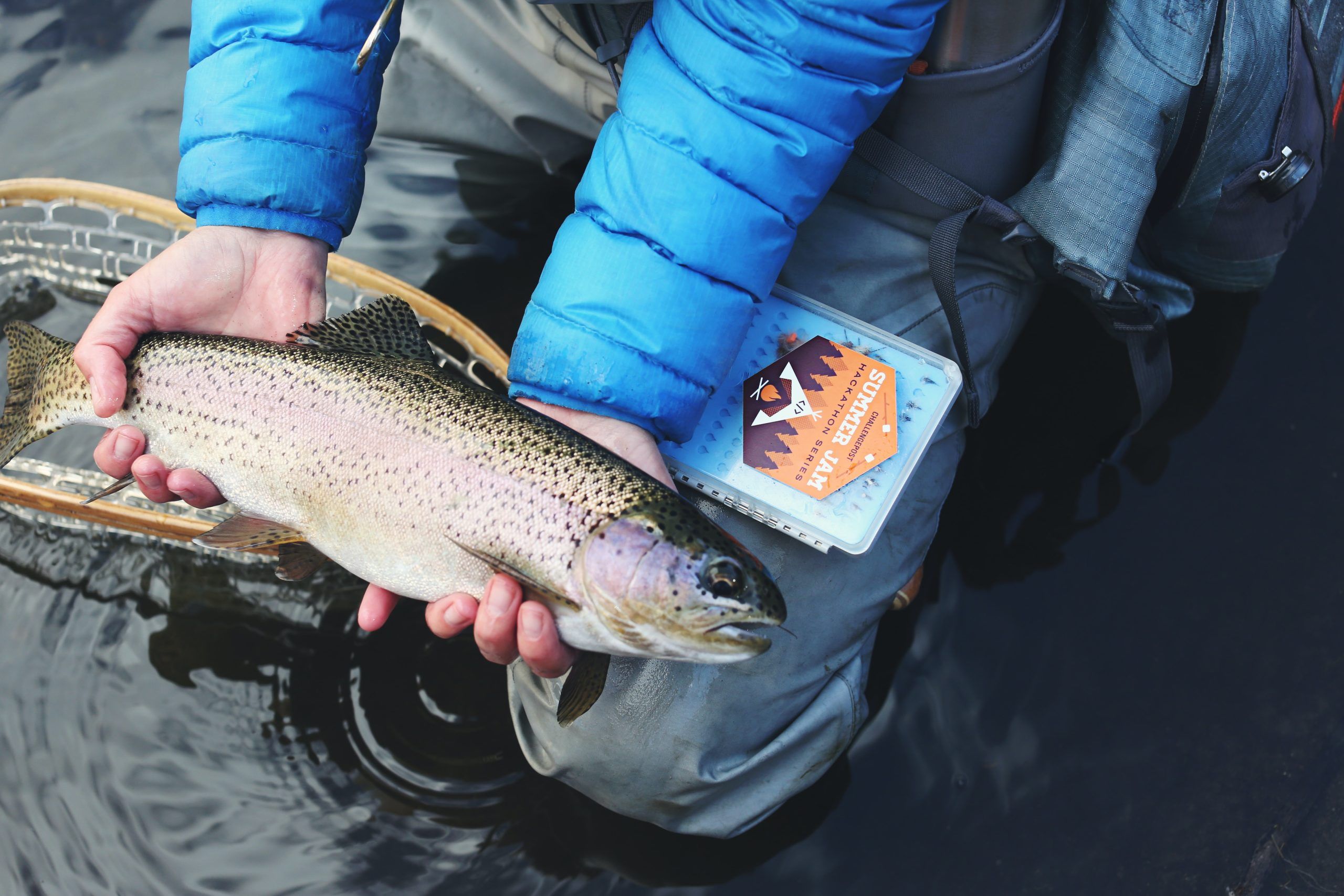
Common Fisheries Policy and fishing opportunities for 2024
On the basis of the communication published by the Commission, ministers discussed the state of play of the Common Fisheries Policy (CFP) and their priorities for fishing opportunities for 2024.
After the Commission took the floor to outline the main aspects of its communication and its approach to formulating proposals on fishing opportunities for 2024, the ministers exchanged views on the progress made in implementing the CFP and on their priorities for this year’s exercise.
The ministers’ discussion represented the first step in the annual process of setting the total allowable catches (TACs) and quotas for the following year.
Fisheries policy package
Presidency conclusions on the fisheries policy package
The presidency of the Council has issued conclusions on the Commission’s fisheries policy package, striving for a sustainable, resilient and competitive fisheries and aquaculture sector.
The text of the conclusions was supported or not objected to by 26 delegations.
The text recognises the important achievements under the Common Fisheries Policy that reconcile environmental goals with economic activity and social aspects, while acknowledging the complexity of the sector, as well as the challenges due to the current geopolitical context.
The presidency conclusions highlight the importance of the fisheries sector in the goal of reaching climate neutrality in the EU by 2050, emphasising the role of fisheries in:
- safeguarding biodiversity
- conserving and restoring marine ecosystems
- contributing to food security and a viable fishing sector within the EU
The conclusions emphasise that generational renewal is essential to ensuring the viability of the fisheries sector as a whole, as well as the ability of coastal communities to ensure food security.

Agreement on fisheries subsidies to boost environmental sustainability/ |
The presidency conclusions welcome the Commission’s intention to conduct an evaluation of the effectiveness, efficiency and relevance of current EU legislation on the landing obligation. The text calls for the Commission to publish a comprehensive impact assessment of its proposed action plan titled ‘Protecting and restoring marine ecosystems for sustainable and resilient fisheries’ and emphasises that a general ban on mobile bottom-contacting gears in Marine Protected Areas is not in line with best available scientific advice.
Regulation on the sustainable use of plant protection products
The Swedish presidency presented a progress report on the proposal for a regulation on the sustainable use of plant protection products (SUR). The progress report made way for an exchange of views between ministers.
This proposal is one of the main initiatives of the Commission’s Farm-to-Fork Strategy, aiming to reduce the use and risk of plant protection products by 50% in the Union by 2030.
Pending a study to be published by the Commission, complementing the existing impact assessment of the proposal, the Council focused its discussion on the progress report and the compromise text presented by the Swedish presidency.
Among the topics discussed under this point, ministers turned their attention to the implementation of Integrated Pest Management (IPM), the responsibilities of “professional users” of plant protection products, the interaction between the crop-specific guidelines and rules, the way those rules are supposed to be applied, and how they are linked to the CAP funding.
Trade-related agricultural issues
Agriculture ministers received up-to-date information from the Commission on the current state of agri-food trade and of trade agreements and negotiations currently taking place on both a bilateral and multilateral basis. The information provided focused on the latest available data on imports and exports, relations with key trading partners, and ongoing negotiations.
Ministers then held an exchange of views on the latest developments on trade-related agricultural issues.
They expressed support for ongoing negotiations on trade agreements, while also stressing the need to protect a number of sensitive products and to promote sustainable agriculture both in the EU and on a global level, to respect environmental ambitions, and to ensure the competitiveness of the EU agricultural sector, as well as a level playing field for EU producers.
Additionally, ministers expressed their continued support for Ukraine, while some member states highlighted the need for a thorough analysis of the impact of imports via the solidarity lanes.
More information: Council of the EU
Publicaciones relacionadas:
 Council updates EU fishing rights for 2022 to reflect agreement with UK
 MEPs endorse the largest EU’s fisheries agreement, with Mauritania
 Temporary short-term derogation agricultural policy rules
 Council and Parliament reach provisional political agreement on access to Union waters, extending the current rules for fishermen for another ten years
 Council approves fishing rights for 2023
Leave a Reply