
The EU-Central America Association Agreement has entered into force. This agreement paves the way for the EU and the six countries of Central America (Costa Rica, El Salvador, Guatemala, Honduras, Nicaragua and Panama) to take their economic and political relationship to the next level.

Under the trade agreement (provisionally applied since 2012), total trade between the EU and Central American countries increased steadily from 8.7 billion euro in 2012 to an all-time high of 22 billion euro in 2023, a massive increase of 154%. With the entry into force of the agreement, this mutually beneficial relationship will be further deepened, allowing even more opportunities for businesses and civil society on both sides.
The Association Agreement consists of three pillars: political dialogue, cooperation and trade. The trade pillar has been provisionally applied since 2012. Following the ratification by all 27 Member states, provisions falling under the political dialogue and cooperation pillars will now also be implemented to ensure an even stronger and comprehensive relationship.
Stronger trade relations
The Agreement establishes a transparent and predictable environment, providing legal certainty for EU operators and investors in the region.
The trade pillar of the agreement includes a dedicated chapter addressing the interrelation between trade and social and environmental policies. This has helped the EU and Central America to cooperate, promote and enforce labour rights and environmental standards. As part of this Trade and Sustainable Development title, the agreement includes stringent provisions to ensure that labour rights are upheld, and that environmental protection is prioritized. By holding trading partners to international standards, the agreement helps promote sustainable and responsible trade practices.
The EU and Central America have identified joint priorities on trade and sustainable development, which are underpinned by numerous EU-funded cooperation projects on matters such as Decent Work, Responsible Business Conduct, and deforestation-free supply chains. The entry into force of the political and cooperation pillars will complement related actions.
Moreover, the agreement set up a consultation system at various levels to facilitate open discussions on specific trade issues covered in the different sections of the trade pillar. The scope of the consultation system will expand following the agreement’s entry into force, as the political and cooperation chapters come into effect, allowing for structured dialogue in those areas.
Background
The Association Agreement between the EU and Central America (Costa Rica, El Salvador, Guatemala, Honduras, Nicaragua and Panama) was signed in June 2012, marking a milestone in the relationship between the two regions.
The trade pillar of the agreement was implemented already as of 2012. The deal had been pending ratification by EU member states, a necessary precondition for full entry into force.
Both regions have benefitted from the agreement since it was signed in 2012; EU exports to Central American countries have increased by 139%, while Central American exports to the EU increased by an astonishing 165% over the same time.
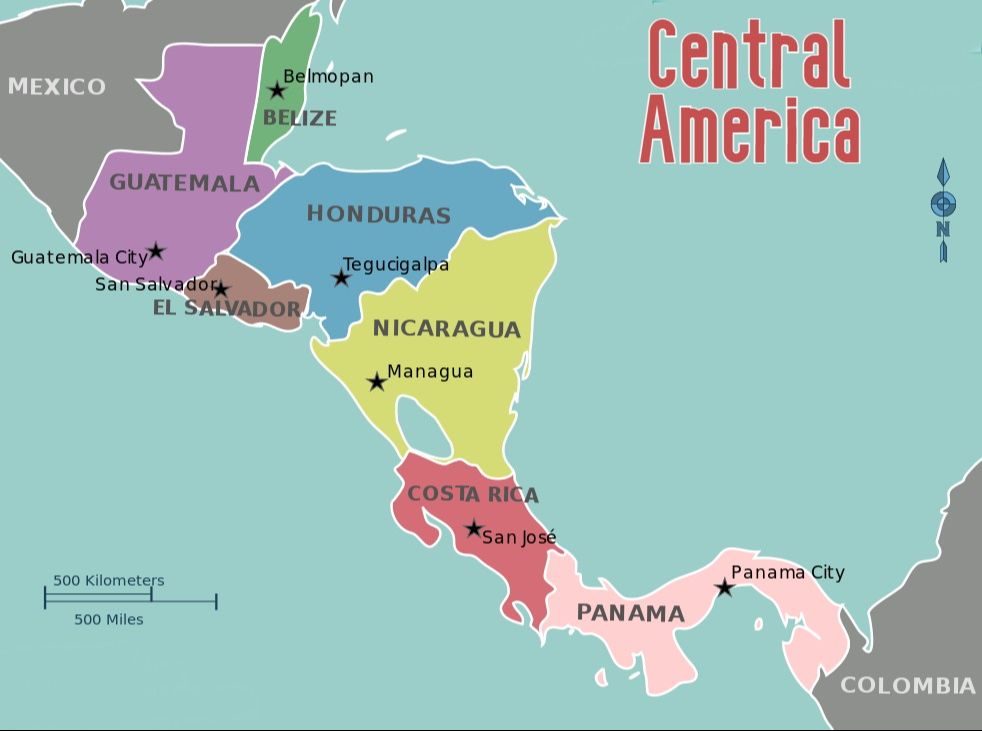
EU-Central America: EU Council gives green light to the Association Agreement |
More information: Delegation of the European Union to Guatemala
Publicaciones relacionadas:
 EU-Central America: EU Council gives green light to the Association Agreement
 Commission presents Global Gateway Investment Agenda with Latin America and Caribbean
 New VAT rules for e-commerce in the EU
 Negotiations on the future EU-Mexico trade agreement
 EU and US continue strong trade and technology cooperation at a time of global challenges
Leave a Reply