
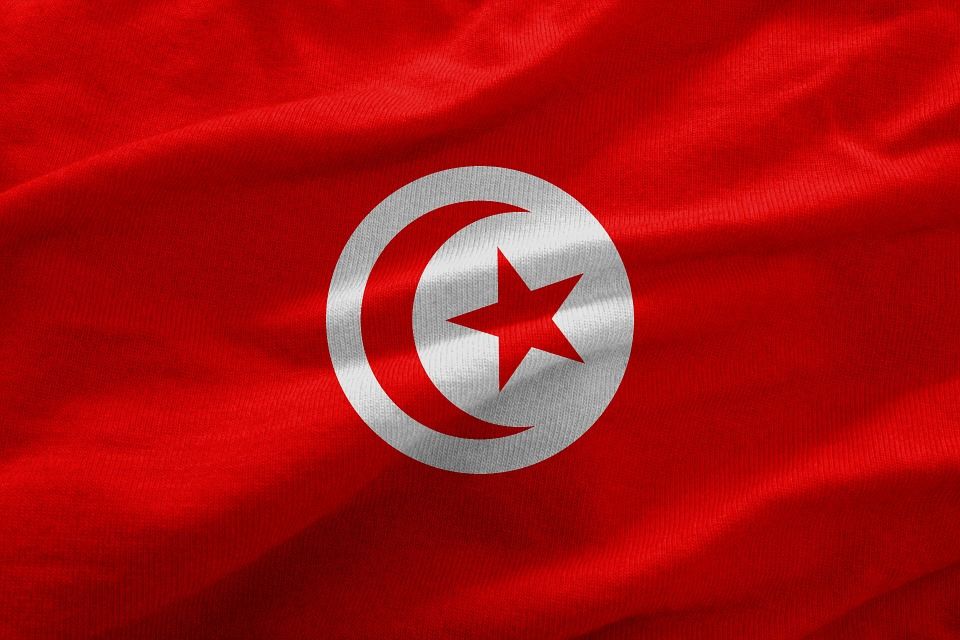
The European Commission, on behalf of the EU, has approved today the disbursement of a €150 million loan to Tunisia.
This is the third and final disbursement under the second Macro-Financial Assistance (MFA) programme to Tunisia, and follows the completion of an important set of policy measures intended to support the country’s economic transition.
The disbursement of MFA funds is conditional on the implementation of specific policy measures agreed in a Memorandum of Understanding. The reforms undertaken as part of this MFA reflect the efforts made by Tunisian authorities to implement a set of far-reaching reforms designed to fight corruption, build a more equitable tax system, increase the quality of public administration, and improve the country’s social protection system. The programme has also supported reforms to enhance labour market policies and reduce unemployment, especially among the youth, as well as improve the business climate in Tunisia.
The second MFA programme was proposed in 2015 to support Tunisia’s economic recovery. The disbursement of MFA funds is conditional on the implementation of specific policy measures agreed in the Memorandum of Understanding. The MFA programme was designed to assist Tunisia in covering its external financing needs while implementing a wide-ranging and ambitious structural reform agenda.
The European Parliament and the Council adopted the second MFA programme, worth €500 million, in July 2016. With today’s disbursement, the EU has now provided Tunisia with €800 million in MFA funds since 2015.
Background
MFA programmes are part of the EU’s wider engagement with neighbouring countries and are intended as an exceptional EU crisis response instrument. They are available to EU neighbouring countries experiencing severe balance-of-payments problems. This instrument includes the respect of human rights and effective democratic mechanisms, including a multi-party parliamentary system and the rule of law, as pre-conditions.
MFA is also conditional on the existence of a non-precautionary credit arrangement with the IMF and a satisfactory track-record of implementing IMF programme reforms.
MFA funds are released in tranches strictly tied to the fulfilment of conditions aimed at strengthening macro-economic and financial stability. These conditions are listed in a Memorandum of Understanding signed between the EU and the beneficiary country.
Unlike other forms of financial aid to non-EU members, the Commission proposes MFA programmes before both the European Parliament and the Council approve them. The first MFA operation with Tunisia was concluded in July 2017 and provided €300 million in loans.
Following Tunisia’s request, the Commission proposed a second MFA programme worth up to €500 million in February 2016. The European Parliament and the Council adopted the Commission proposal in July 2016. The policy conditions agreed between the EU and Tunisia are laid down in the Memorandum of Understanding (MoU) and Loan Facility Agreement signed in Brussels on 27 April 2017.
For the release of the third and final disbursement under the second MFA programme, the specific measures were designed to support fiscal consolidation and sustainable economic growth in the country. They included reforms better to protect depositors’ savings in Tunisian banks, increase transparency in public financial management, strengthen social safety nets to assist vulnerable Tunisians, facilitate bilateral exchanges through enhanced air connections with the EU, and improve the country’s business climate to help attract domestic and foreign investment.
More information
Detailed information on MFA for Tunisia
More information on EU relations with Tunisia
Publicaciones relacionadas:
 Commission reviews relations with China, proposes 10 actions
 MEPs vote to limit negative impact of no-deal Brexit on citizens
 EU report: Stepping up bilateral cooperation with the perspective of concluding a new comprehensive EU-Azerbaijan agreement
 EU-China Summit: Rebalancing the strategic partnership
 EU adopts strategic approach to international cultural relations
Leave a Reply