
Among the main measures, the EU and neighbouring countries agreed within the General Fisheries Commission for the Mediterranean (GFCM) to launch new tools to keep track of the activities of all fleets fishing in the Mediterranean and the Black Seas and sharing the various multiannual management plans (MAPs).
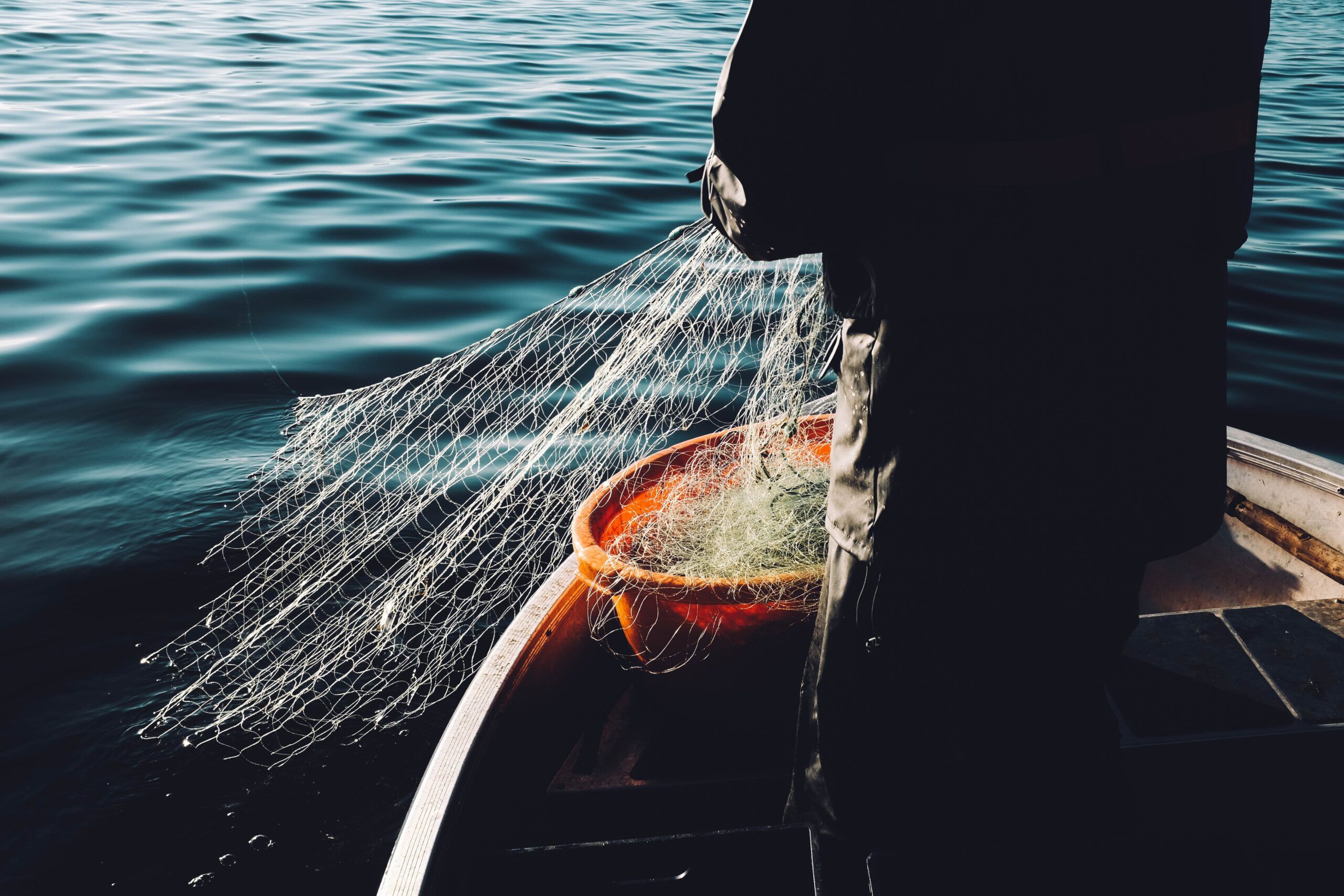
The new mechanism will follow up on cases of non-compliance through appropriate and proportionate measures. To consolidate joint efforts in the Mediterranean and make sure the measures deliver on the ground, a European Fisheries Control Agency (EFCA) patrol vessel will be deployed permanently still this year.
At the 46th annual meeting of the General Fisheries Commission for the Mediterranean (GFCM), which took place between 6-10 November in Split, the EU and neighbouring countries agreed to reinforce the level playing field in control and management of fisheries in the Mediterranean and the Black Seas. This is a key step in ensuring that all operators involved in fisheries follow the same standards, based on the principles of the Common Fisheries Policy (CFP).
Thanks to the efforts of the EU and more than 12 other coastal states, the GFCM unanimously adopted a total of 34 shared measures. The EU will support the implementation of the measures and the GFCM 2030 Strategy with an annual grant of €8 million.
The GFCM also consolidated the existing measures under the multiannual management plan for European eel. Long-term measures will be determined next year, based on the results of a regional research program.
Keeping the measures of previous years, the GFCM decided to reinforce the fisheries restricted area (FRA) in the Gulf of Lion. EU, Morocco and Algeria also agreed to implement a FRA in the Cabliers Mound.

EU Council approves revised Maritime Safety Strategy and Action Plan
|
Measures for increased sustainability and biodiversity protection
The measures agreed at the GFCM meeting will bring about the following positive impacts in the Mediterranean and Black Sea:
- More sustainability through traceability: The traceability of fisheries products is essential to fighting illegal, unreported, and unregulated (IUU) practices. New catch documentation schemes for red coral in the Mediterranean and for turbot in the Black Sea will help to identify the origin of fish products, ensuring better conservation of these iconic species.
- Decarbonisation as an answer to energy crises and pollution: the GFCM will be the first regional fisheries management organisation to establish a permanent working group and to adopt a roadmap for the decarbonisation of fishing activities. This working group will identify actions to promote a more resilient sector against energy crises, a reduction of the carbon footprint and studies to assess the impact of the fishing gear on the seabed.
- Sustainable management of common dolphinfish through a new multiannual plan: The GFCM approved a new multiannual management plan (MAP) for common dolphinfish in the Mediterranean Sea. The MAP is based on a joint EU-Tunisia proposal, the main players in this fishery. The goal of the MAP and the associated inspection scheme is to maintain this iconic species with high commercial value at sustainably managed levels.
- Protection of sensitive species and marine habitats: Following the EU’s lead, the GFCM adopted a strategy to protect vulnerable species and launched an Observatory for non-indigenous species. The fisheries organisation started pilot studies to assess the potential extension of the bottom trawling ban to waters closer to the surface, down to 800 metres.
Next steps
The Council of the European Union will discuss and establish the GFCM’s fishing opportunities-related measures for the Mediterranean and the Black Sea in a meeting taking place on 11 and 12 December.
SOURCE: PRESS RELEASE – EUROPEAN COMMISSION
Publicaciones relacionadas:
 Fisheries: EU and Norway strengthen cooperation for sustainable fishing in the Northeast Arctic
 Agriculture and Fisheries Council, 13 June 2022: Main results
 Spain will receive €1.12 billion from the European Maritime, Fisheries and Aquaculture Fund 2021-2027
 Healthy Agricultural Soils: 24 EU countries coordinate unprecedented research programme
 Coronavirus: Commission announces further measures to support the agri-food sector
Leave a Reply