
As part of the Community of Latin American and Caribbean States Summit (EU-CELAC) taking place in Brussels on 17 and 18 July, President Ursula von der Leyen and the President of Chile, Gabriel Boric, witnessed the signing of a Memorandum of Understanding (MoU) on establishing a partnership between the EU and Chile on sustainable raw materials value chains. The MoU was signed by Commissioner Thierry Breton and the Minister of Foreign Affairs of Chile Alberto van Klaveren Stork.
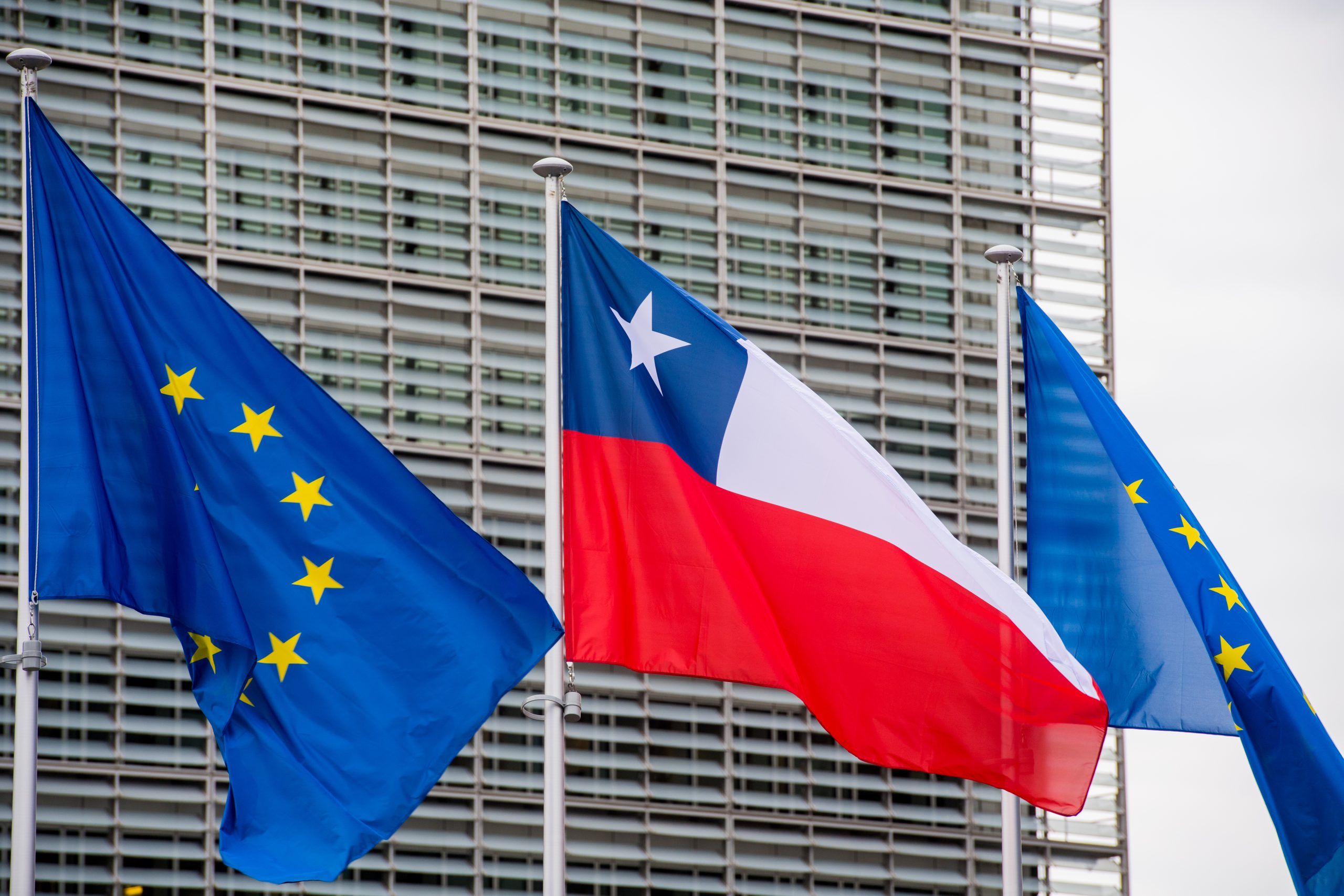
In line with the EU’s Global Gateway strategy and with the Critical Raw Materials Act, the partnership aims to deepen cooperation in the field of sustainable raw materials value chains that are necessary for the clean energy and digital transition of both partners. It also aims to develop a competitive and sustainable industry for processing raw materials and local value added in the mining sector, creating quality employment and sustainable and inclusive economic growth, to the mutual benefit of both sides.
The new partnership is centred around five areas:
- Integration of sustainable raw materials value chains, including through joint development of projects, new business models, promotion and facilitation of trade and investment linkages;
- Cooperation on research and innovation along the raw materials value chains, including on minerals knowledge and the minimisation of environmental and climate footprint;
- Cooperation to leverage environmental, social, and governance (ESG) criteria and align with international standards;
- Deployment of hard and soft infrastructure for projects development, while minimising their environmental and climate impact;
- Strengthening capacities, vocational education and training and skills development along sustainable raw materials value chains in accordance with international labour standards.
As a next step, the EU and Chile have committed to develop an operational Roadmap after the signature of the Memorandum of Understanding. The Roadmap will include cooperation actions that will be carried out by relevant stakeholders from the EU Member States and Chile and will be supported by the EU’s Global Gateway Investment Agenda for Latin American and the Caribbean.
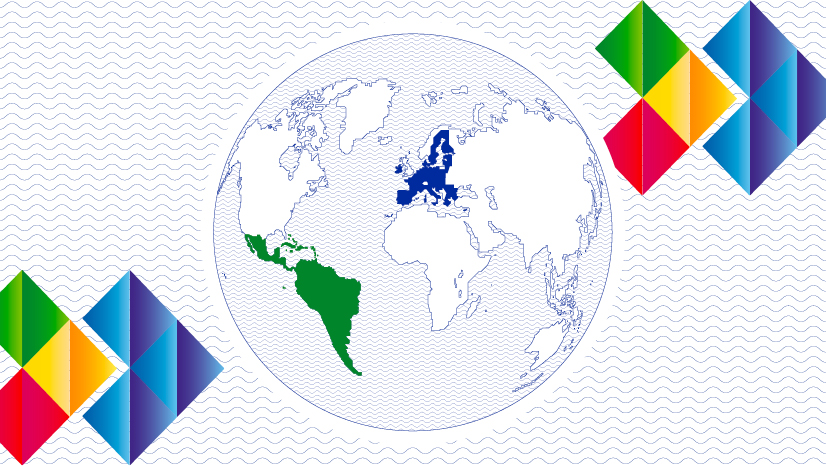
Commission presents Global Gateway Investment Agenda with Latin America and Caribbean |
Background
Critical and strategic raw materials are indispensable for a wide set of strategic sectors including the net-zero industry, the digital industry, aerospace, and defence. As demand for critical raw materials is projected to increase drastically, Europe still heavily relies on imports, often from quasi-monopolistic third country suppliers. The EU needs to mitigate the risks for supply chains related to such strategic dependencies to enhance its economic resilience, while achieving its climate and digital objectives.
The EU’s Critical Raw Materials Act proposal published in March 2023 leverages the strengths and opportunities of the Single Market and the EU’s external partnerships to diversify and enhance the resilience of EU critical raw materials supply chains. The Critical Raw Materials Act also improves the EU capacity to monitor and mitigate risks of disruptions and enhances circularity and sustainability.
The Commission has already started working to build strategic partnerships with resource-rich third countries, making use of all external policy instruments and respecting its international obligations. The EU is working with reliable partners to promote their economic development in a sustainable manner through value chain creation, while also promoting secure, resilient, affordable, and sufficiently diversified value chains for the EU.
The Commission has already established strategic partnerships on raw materials with Canada (June 2021), Ukraine (July 2021), Kazakhstan, Namibia (November 2022) and Argentina (June 2023) on behalf of the EU. The partnerships allow both sides to advance trade and investments into secure, sustainable and resilient raw materials value chains, which are key to achieving the transition to climate-neutral and digitalised economies.
More information: European Commission
Publicaciones relacionadas:
 EU and Chile strengthen a comprehensive political and trade partnership
 Chile and Europe united for the development of Green Hydrogen
 EU and India form Trade and Technology Council
 EU deploys more than 250 emergency responders to Chile
 EU, Latin America and Caribbean step up cooperation on environment
Leave a Reply