• Skip to primary navigation
  • Skip to main content
  • Skip to primary sidebar
  • Skip to footer
  • Bluesky
  • Facebook
  • Instagram
  • Twitter
  • YouTube
CDE Almería – Centro de Documentación Europea – Universidad de Almería

CDE Almería - Centro de Documentación Europea - Universidad de Almería

Centro de Documentación Europea de la Universidad de Almería

  • HOME
  • WHAT´S ON
    • EU NEWS
    • Activities
    • EU Calls and Awards
    • Radio Program «Europe with You»
  • DOCUMENTATION
    • EU Media Collection
      • Web Space
      • MEDIATHEQUE REPOSITORY
  • Europe on the net
    • Institutions
    • EU Representation in Spain
    • European information network of Andalusia
  • ABOUT US
    • Presentation
    • Services
    • People
    • Contact
  • Spanish
  • English

EU adopts new rules on fertilisers

Inicio » EU News » EU adopts new rules on fertilisers

24 de May de 2019

The EU is adopting new rules for placing fertilising products on the EU market. The Council today adopted a regulation which harmonises the requirements for fertilisers produced from phosphate minerals and from organic or secondary raw materials in the EU, opening up new possibilities for their production and marketing on a large scale.
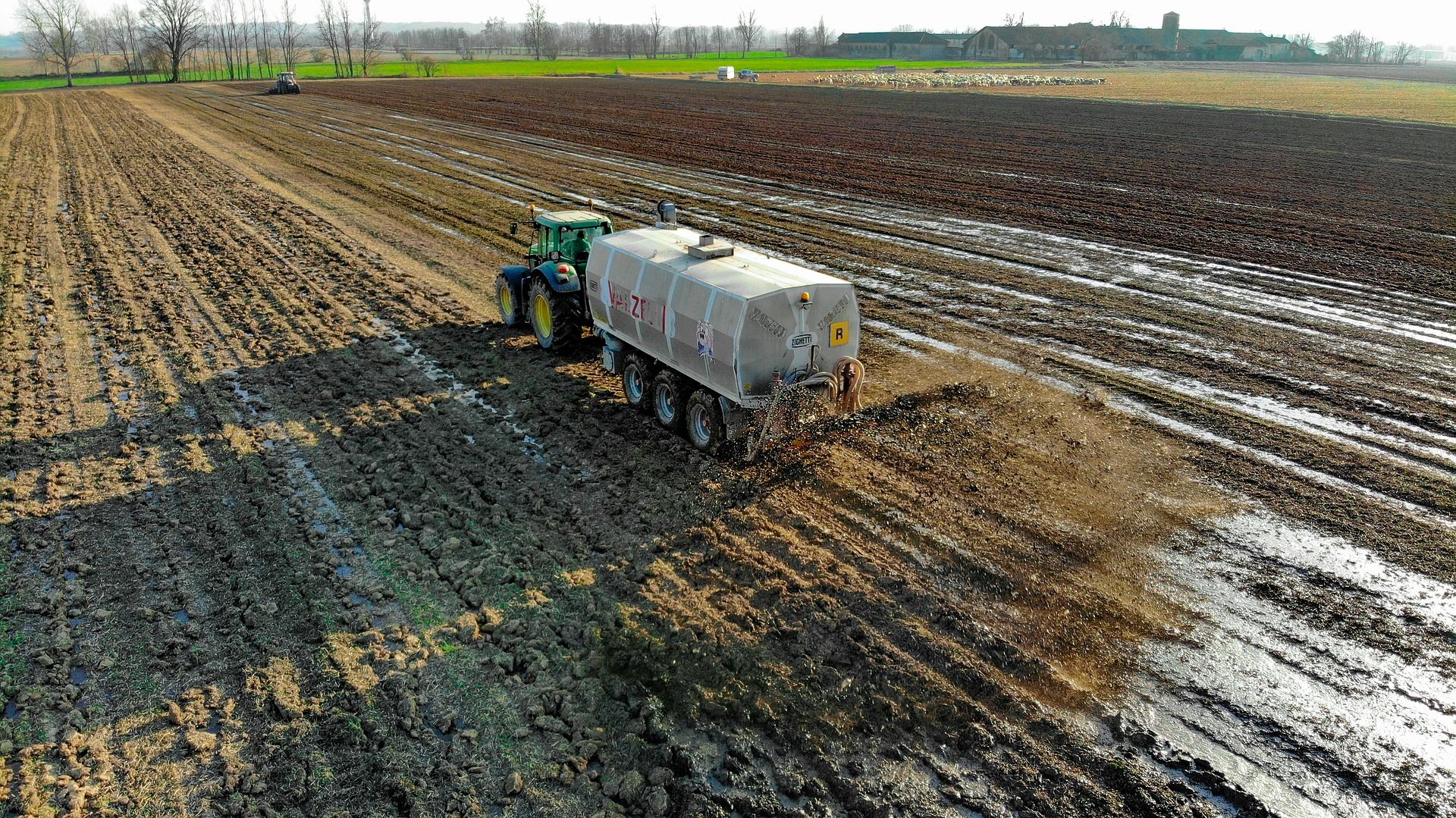
According to the regulation, EU fertilising products bearing the “CE marking” will have to fulfil certain requirements to benefit from free circulation in the EU’s internal market. These include obligatory maximum contaminant levels, the use of defined component material categories and labelling requirements.

Manufacturers of fertilisers that do not bear the CE marking will still have the possibility of placing them on their national market.

The new regulation, which replaces the previous 2003 fertilisers regulation, covers all types of fertilisers (mineral, organic, soil improvers, growing matters, etc.).

Next steps

The regulation still has to be signed and published in the Official Journal of the EU. It will enter into force on the twentieth day following that of its publication. It will start applying three years from its entry into force.

Background

The Commission presented its proposal in March 2016 as part of the EU’s circular economy action plan. One of its main objectives is to encourage large scale fertiliser production from domestic organic or secondary raw materials in line with the circular economy model, by transforming waste into nutrients for crops.

More Information

Full text of adopted regulation

Access to the full news

Publicaciones relacionadas:

Brote verde sale de la tierra trabajadaCommission increases national support to farmers up to €25,000 Brote verde sale de la tierra trabajadaFood: protecting farmers and small firms from unfair trading practices Fairer, simpler, more flexible EU farm policy agricultura-unión europea- PACYoung farmers: €1 billion to facilitate access to finance Rare crops crucial to protect Europe’s food supply, boost health
EU News Agriculture

“This is a space for debate. All comments, for or against publication, that are respectful and do not contain expressions that are discriminatory, defamatory or contrary to current legislation will be published”.

Reader Interactions

Leave a Reply Cancel reply

Your email address will not be published. Required fields are marked *

This site uses Akismet to reduce spam. Learn how your comment data is processed.

Primary Sidebar

Footer

  • CDE Almería
  • Biblioteca Nicolás Salmerón – Universidad de Almería
  • Planta: 1ª, Despacho: 1.05.0B.
  • Ctra. Sacramento s/n. Almería (Spain)
  • Teléfono: (+34) 950 015266

HOME
NEWS
DOCUMENTATION
EUROPE ON THE NET
ABOUT US

  • LEGAL NOTICE
  • PRIVACY POLICY
  • COOKIE POLICY
  • ACCESSIBILITY
  • SITEMAP

Copyright © 2026 CDE Almería · Creative Commons LicenseThis work is licensed under a Creative Commons Attribution-NonCommercial 4.0 International License.

<p>El Centro de Documentación Europea de la Universidad de Almería utiliza cookies propias y de terceros para facilitar al usuario la navegación en su página Web y el acceso a los distintos contenidos alojados en la misma. Asimismo, se utilizan cookies analíticas de terceros para medir la interacción de los usuarios con el sitio Web. Pinche el siguiente enlace si desea información sobre el uso de cookies y como deshabilitarlas. </p>

Politica de privacidad

El Centro de Documentación Europea de la Universidad de Almería utiliza cookies propias y de terceros para facilitar al usuario la navegación en su página Web y el acceso a los distintos contenidos alojados en la misma. Asimismo, se utilizan cookies analíticas de terceros para medir la interacción de los usuarios con el sitio Web. Pinche el siguiente enlace si desea información sobre el uso de cookies y como deshabilitarlas. <a href="/politica-de-cookies" rel="noopener" target="_blank">Más información</a>

Cookies estrictamente necesarias

Las cookies estrictamente necesarias tiene que activarse siempre para que podamos guardar tus preferencias de ajustes de cookies.

Básicamente la web no funcionara bien si no las activas.

Estas cookies son:

  • Comprobación de inicio de sesión.
  • Cookies de seguridad.
  • Aceptación/rechazo previo de cookies.
Cookies de terceros

Esta web utiliza Google Analytics, Google Tag Manager y Yandex Metrika para recopilar información anónima tal como el número de visitantes del sitio, o las páginas más populares.

Dejar estas cookies activas nos permite mejorar nuestra web.

Política de cookies

Pinche el siguiente enlace si desea información sobre el uso de cookies y como deshabilitarlas. Más información