
Today, 1 July 2026, new legislation will come into force to protect the EU steel sector from the harmful effects of global overcapacity. This represents a crucial step towards ensuring the long-term viability of a European industry of vital strategic importance.
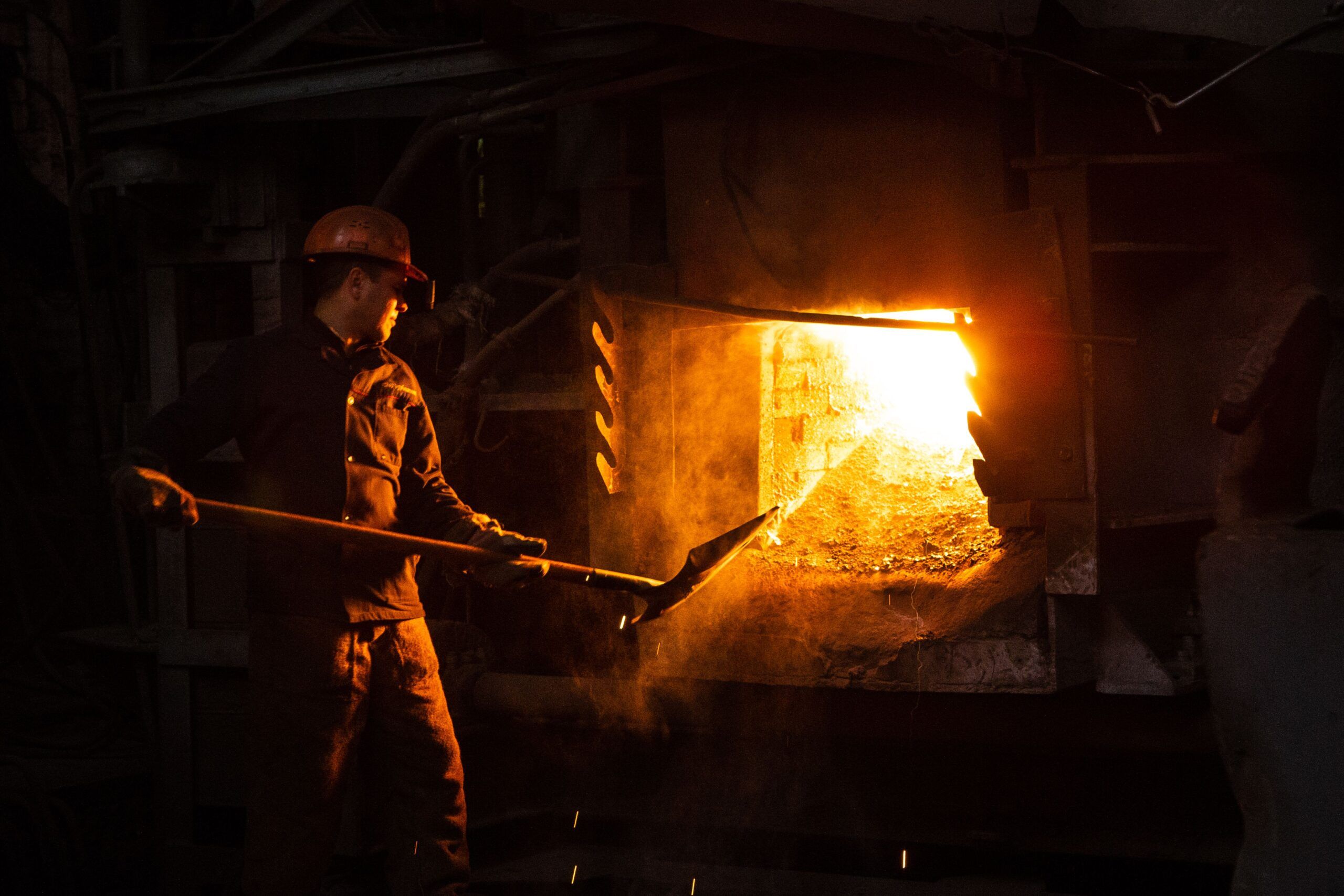
Under these new rules,the European Commission has today published the implementing regulation setting out the allocation of tariff quotas amongst the EU’s trading partners. The new system, which comprises reduced global tariff quotas and a higher tariff for goods outside the quota, aims to protect the EU steel industry following the expiry of the EU steel safeguard measure.
The allocation of tariff quotas is based on a set of clearly defined criteria set out in the new EU Steel Regulation. This guarantees a predictable level of access to the EU market for third-country suppliers through a fair and objective methodology, whilst also ensuring diversity of supply for EU intermediate users.
The implementing regulation aims to minimise as far as possible the impact of the EU Steel Regulation on its free trade agreement (FTA) partners, without compromising the effectiveness of the measure: 80 per cent of EU steel imports come from FTA partners.
Half of the EU’s annual import quota, set at 18.3 million tonnes by the Steel Regulation, has been reserved exclusively for preferential trading partners (FTPs), whilst the other half is available to all trading partners without discrimination, including FTPs.
Consequently, the EU’s partners in free trade agreements will retain a share of access to the EU market that is significantly greater than the average 47 per cent reduction provided for in the Steel Regulation.
The EU has addressed the concerns of its trading partners through constructive discussions at the WTO (GATT Article XXVIII negotiations), which have resulted in a significant number of partners provisionally accepting the quotas allocated to them.
Next steps
Given the need to allocate quotas from 1 July, the Steel Regulation provides for the use of the urgent procedure. This means that Member States will be asked to vote within 14 days of the adoption of the Implementing Regulation by the College of Commissioners, and that the Regulation will remain in force for a maximum of six months.
Subsequently, the Implementing Regulation will be resubmitted to the relevant Member State committee, following the standard comitology procedure, before the end of 2026.
The Commission will continue to work with its trading partners in the WTO within the framework of the ongoing GATT Article XXVIII negotiations.
Background
The recently adopted Steel Regulation forms part of the EU’s response to persistent global overcapacity in the steel sector, which remains a serious global problem and continues to distort international markets.
The measure establishes duty-free quotas of 18.3 million tonnes per year and introduces a 50 per cent duty on imports exceeding the quota across 26 categories of steel products imported into the EU. It also introduces a traceability requirement to improve transparency in the EU’s steel supply chain. Companies will be required to provide information on where the smelting and casting stages of the imported steel take place.
In this way, the measure restores fair competition in a market affected by distortions linked to overcapacity, protecting jobs in EU steel production and providing European producers with the necessary economic leeway to invest in cleaner and more innovative steel production within the EU. It strikes the best possible balance between the various interests, taking into account the needs of EU steel producers, users and importers, as well as the Union’s international obligations.
The President of the European Commission, Ursula von der Leyen, identified the EU steel industry as a key driver of European prosperity.The EUCompetitiveness Compass, adopted in January 2025, identified steel and metals as a key area for action. TheAction Plan for Steel and Metals, adopted in March 2025, outlined a trade measure to replace the steel safeguard. The Commission introduced this safeguard measure on imports of certain steel products in July 2018 to prevent economic harm to EU steel producers resulting from trade diversion and increased imports.
More information: European Commission.
Publicaciones relacionadas:
 The Commission approves a €5 billion German state aid scheme to support the decarbonisation of industry
 Overcapacity in the steel sector: MEPs approve new measures to protect the EU steel market.
 The Commission proposes an Industrial Acceleration Act to strengthen industry and create jobs in Europe
 The Commission welcomes the political agreement on the new EU steel measure
 Council reaches agreement on parts of electricity market reform
Leave a Reply