
The new regulations replace the measures due to expire on 30 June 2026 and will help to protect the EU steel industry from the negative effects of a global steel surplus.
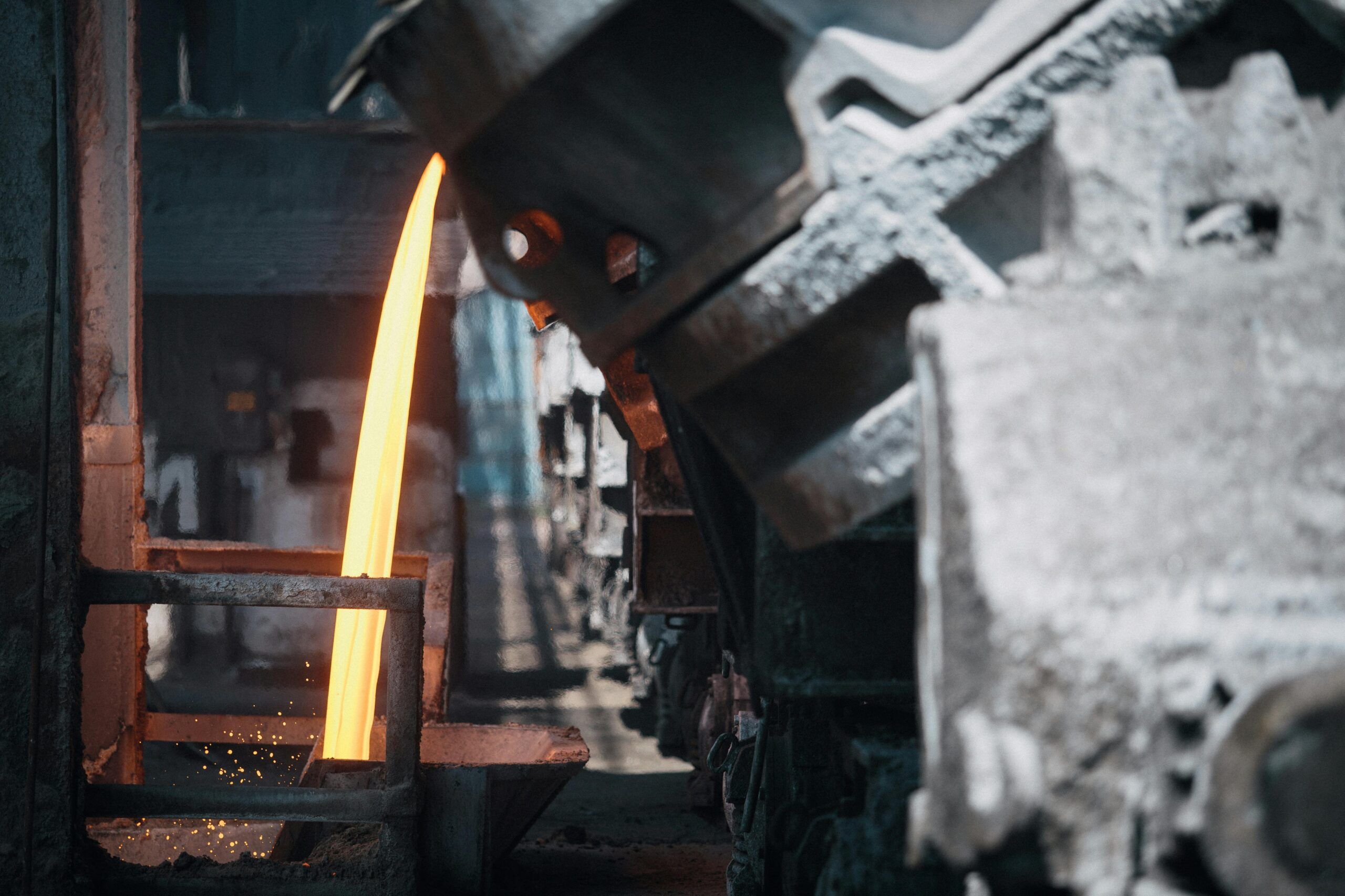
The regulation introduces lower import quotas by limiting duty-free import volumes to 18.3 million tonnes per year, representing a 47% reduction compared to the 2024 steel quotas. It will also apply a 50% customs duty (instead of the current 25%) to imports exceeding the quota and to steel products not covered by it. Ukraine’s status as a candidate country with special security concerns will be taken into account when allocating quotas by country.
The aim is to help the EU steel industry counteract the negative trade-related effects that global overproduction has on the steel market once the current safeguards, in force since 2018, expire on 30 June 2026.
Improved traceability
The regulation introduces the ‘smelting and casting’ rule, under which the origin of steel is determined by the place where it is first smelted and cast, thereby strengthening traceability and limiting circumvention through minimal processing in third countries. The Commission must take the origin of the steel into account when allocating annual quotas.
The new regulation, which had already been agreed between Parliament and Council negotiators, was adopted by 606 votes to 16, with 39 abstentions.
Quote
Karin Karlsbro(Renew, SE), lead negotiator on the dossier, stated: “Europe needs a strong and competitive steel industry, based on trade, innovation and fair competition. Combating the negative effects of global overcapacity on trade is essential, and I welcome the fact that the exemption for Russian steel plates will not be extended. At the same time, Ukraine must not be punished by EU measures whilst its steel industry is under direct attack from Russia. Ukraine is not the cause of global overcapacity. We must treat it as a future EU member and strategic partner, and the EU must fulfil its promise that Ukraine will receive special status under the new regulation.”
Next steps
The new regulation must be formally approved by the Council. It will enter into force on 1 July 2026.
Background
The global safeguard measures for the steel sector, in force since 2018 under the World Trade Organisation (WTO) Agreement on Safeguards, will expire on 30 June 2026.
The EU steel industry is vital to the EU economy and of strategic importance to its defence capabilities, as set out in the Commission’s Steel and Metals Action Plan (SMAP). The sector has faced trade challenges, including significant and constant pressure on imports, both in terms of volume and prices, as a result of global overcapacity. Furthermore, it has suffered the loss of around 100,000 jobs since 2008.
More information: European Parliament.
Publicaciones relacionadas:
 The Commission approves a €5 billion German state aid scheme to support the decarbonisation of industry
 The Commission proposes an Industrial Acceleration Act to strengthen industry and create jobs in Europe
 New rules come into force to protect the EU steel industry from the harmful effects of global overcapacity
 Council reaches agreement on parts of electricity market reform
 Commission proposes EU Space Act to boost market access and safety
Leave a Reply