
The European Commission has approved, under EU state aid rules, a €5 billion German scheme to help industrial companies decarbonise their production processes. This scheme contributes to achieving Germany’s energy and climate targets, as well asthe EU’s objectives of sustainable prosperity and competitiveness.
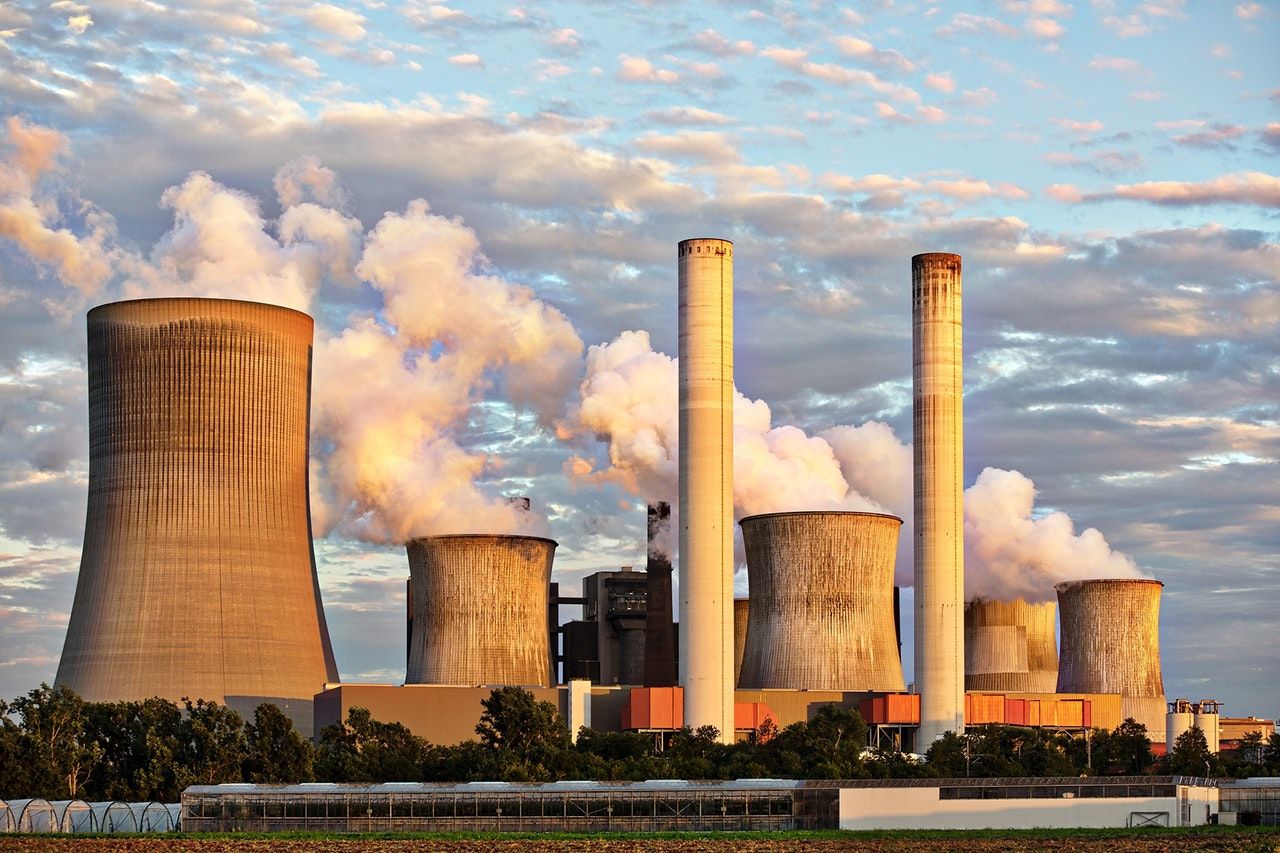
The German plan
Eligible projects must involve fundamental technological changes and replace fossil fuels or raw materials with low-carbon alternatives, such as electrification, hydrogen, carbon capture and storage (CCS), carbon capture and utilisation (CCU), the use of biomethane, as well as heat recovery and storage.
Projects will be selected through a competitive tendering process, based on their cost-effectiveness, measured as the aid requested per tonne of CO₂ emissions avoided.Projects must achieve substantial emissions reductions, including at least 50% within four years and 85% by the end of the 15-year contract period. These reductions will be assessed against reference systems reflecting the most efficient conventional production technologies in the relevant sectors.
The aid will take the form of two-way carbon contracts for difference with a duration of 15 years. Beneficiaries will receive annual payments linked to market developments, such asEU Emissions Trading System (ETS) allowancesor energy input prices, compared with conventional technologies. The measure covers only the additional costs of cleaner production processes. If these processes prove to be more cost-effective, beneficiaries will be required to reimburse the difference.
Projects receiving support under this programme will be in sectors covered by the Emissions Trading Scheme (ETS), including steel and other metals, gypsum, glass and ceramics, paper and pulp, cement, lime and chemicals.
This measure is based on a plan approved by the Commission inFebruary 2024and replaces a plan approved inMarch 2025, which the German authorities decided not to implement in its original form and to redesign instead.
The Commission’s assessment
The Commission assessed the plan in accordance with EU state aid rules, in particularArticle 107(3)(c)of the Treaty on the Functioning of the European Union (TFEU), which allows Member States to support the development of certain economic activities subject to certain conditions, and theGuidelines on State aid for climate action, environmental protection and energy(‘CEEAG’), which allow Member States to support measures to reduce or eliminateCO₂emissions.
The Commission concluded that:
- This scheme is necessary and appropriate to support decarbonisation in the sectors covered by the ETS, in line with European and national environmental objectives.
- The scheme has an incentive effect, as beneficiaries would not undertake such decarbonisation investments without public support.
- The scheme has a limited impact on competition and trade within the EU. Furthermore, it is proportionate and any negative effects on competition and trade in the EU will be minimal thanks to the design of the competitive tendering process, which will ensure that the aid is kept to a minimum.
- Finally, Germany has committed to ensuring that the aid generates overall CO₂ reductionsand does not merely shift emissions from one sector to another. For example, the programme requires that the hydrogen used complies with EU legislation on renewable or low-carbon hydrogen. Furthermore, the German authorities have verified that the indirect CO₂ emissionsresultingfrom the electricity to be used will be limited in comparison with the overall reductions intended to be achieved.
On this basis, the Commission approved the German plan in accordance with EU state aid rules.
Background
The 2022CEEAG Guidelinesprovide guidance on how the Commission will assess the compatibility of environmental protection measures, including climate protection, and energy aid measures that are subject to the notification requirement under Article 107(3)(c) of the TFEU.
TheEU ETSis a key European policy tool for reducing greenhouse gas emissions cost-effectively across the Union and combating climate change. It is the world’s first major carbon market and remains the largest. Therevision of the EU ETS Directive, as part of the ‘Fit for 55’ legislation and currently in force,has strengthened the existing system and extended carbon pricing to new sectors.
More information: European Commission.
Publicaciones relacionadas:
 The Commission proposes an Industrial Acceleration Act to strengthen industry and create jobs in Europe
 Overcapacity in the steel sector: MEPs approve new measures to protect the EU steel market.
 New rules come into force to protect the EU steel industry from the harmful effects of global overcapacity
 The EU is studying the investment needed to improve trade routes between Europe and Central Asia via the Caucasus.
 The Commission has published guidelines to facilitate the implementation of the new packaging rules, with the aim of creating a more sustainable and competitive packaging sector
Leave a Reply