
-
Compensation for delays of three hours or more, with no change in the amount
-
Companies must provide travellers with a pre-filled form for compensation and refunds
-
Hand luggage at no extra cost: one personal item and one small piece of luggage
-
Adults travelling with children under 14 and passengers accompanying persons with reduced mobility must be able to sit together without paying extra
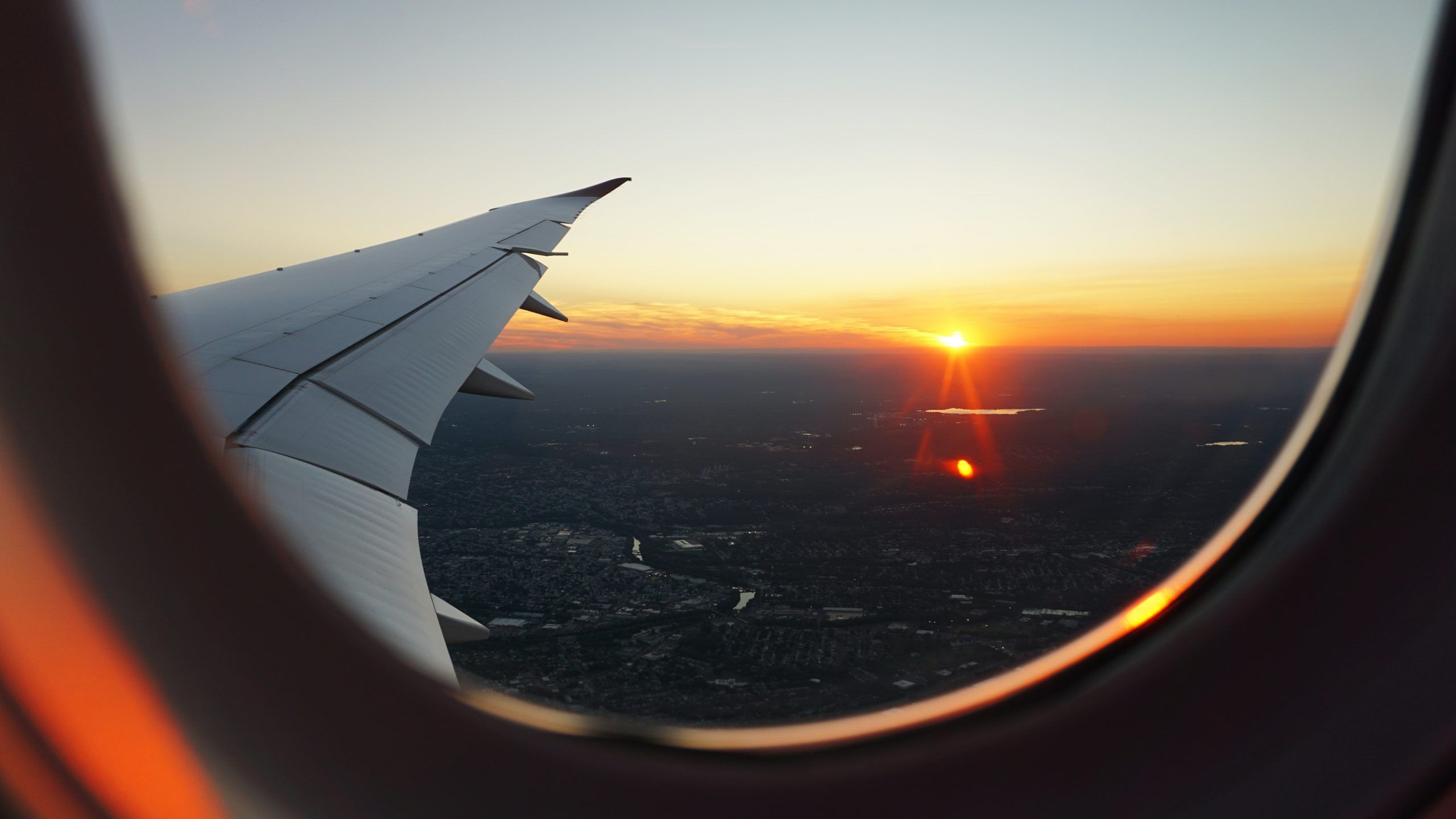
MEPs want to preserve travellers’ right to compensation for delays of three hours or more, as well as simpler refund procedures and free cabin baggage.
On Wednesday, the European Parliament approved, with 632 votes in favour, 15 against and 9 abstentions, its position on the changes proposed last June by the Council to the current regulations on air passenger rights. MEPs reject the Member States’ intention to curtail passengers’ rights, which have been guaranteed by the rules in force since 2004 and are designed to protect them in the event of flight disruptions.
Guaranteeing existing rights
Parliament wants to maintain passengers’ right to a refund or re-routing and to claim compensation if their flight is delayed by more than three hours, cancelled or denied boarding. The Council proposes to limit the right to compensation to delays of four to six hours, depending on the distance of the flight.
MEPs also reject reducing compensation for flight disruptions and insist on setting it between €300 and €600, depending on the flight distance. Member States, however, propose a range of between €300 and €500.
Under current rules, airlines’ liability is limited to situations within their control. Parliament wants to renew the list of extraordinary circumstances that exempt them from liability to pay compensation, which currently includes natural disasters, war, weather conditions or unforeseen labour disputes affecting the air operator, airport or air navigation service provider. MEPs want this list to be exhaustive and for the European Commission to update it regularly.
MEPs agree with the Council that the obligation to provide affected passengers with refreshments every two hours from the initial departure time, a meal after three hours and overnight accommodation for a maximum of three nights in the event of long delays should be maintained in all circumstances. They argue that the three-night limit would offer airlines greater predictability and avoid undue financial costs.
Simpler and faster refunds
Parliament wants pre-filled forms for compensation and reimbursement claims, in order to simplify the handling of claims and help passengers and airlines avoid resorting to claims agencies. According to the draft legislation, airlines should send a pre-filled form to passengers whose flights have been cancelled or delayed within 48 hours of the incident. The Council’s position, however, only contemplates this after cancellations and not for long delays. Passengers would then have one year to confirm their claim for compensation.
Hand luggage
MEPs want passengers to be able to carry one personal item, such as a handbag, rucksack or laptop, in addition to one piece of luggage with a maximum dimension of 100 cm (height, width and length combined) and a weight not exceeding 7 kg.
Parliament also rejects charges for correcting errors in passenger names or for check-in. Travellers should be able to choose between a digital or paper boarding pass, according to the plenary.
Vulnerable passengers
The approved text also pays special attention to passengers with disabilities or reduced mobility. According to Parliament, if they miss a flight due to a lack of assistance at the airport, they should be entitled to a refund of their ticket, compensation and assistance.
Passengers with reduced mobility, pregnant women, infants and children in pushchairs and their accompanying persons should be given priority boarding. Accompanying persons of vulnerable travellers should be able to sit in an adjacent seat at no extra cost.
Statement by the rapporteur
Andrey Novakov (EPP, Bulgaria) said: “Parliament is ready to continue the fight for clearer and more predictable rules for airlines and a stronger aviation sector, but not at the expense of passengers. Our position is clear: we want to improve, not curtail, the rights of air passengers. Reducing delays brings significant overall benefits to the European economy. That is why the three-hour threshold for compensation, existing compensation and pre-filled forms remain our red lines. We trust that EU transport ministers will reconsider their position in order to find an acceptable outcome. Citizens expect us to succeed.”
Next steps
Under the second reading procedure, Parliament’s position will be sent to the Council. If the Council does not accept Parliament’s amendments, a Conciliation Committee will be convened to reach agreement on the final law.
Background
The revision of air passenger rights has been stalled in the Council for eleven years. However, in June 2025, EU ministers reached a political agreement, paving the way for negotiations with Parliament. Interinstitutional talks began in October 2025 but ended without agreement, forcing Parliament to proceed with the adoption of its second-reading position.
Further information: European Parliament.


Leave a Reply