
The Council today extended EU restrictive measures for a further six months, until 31 July 2025, in the light of continued actions by the Russian Federation destabilising the situation in Ukraine.
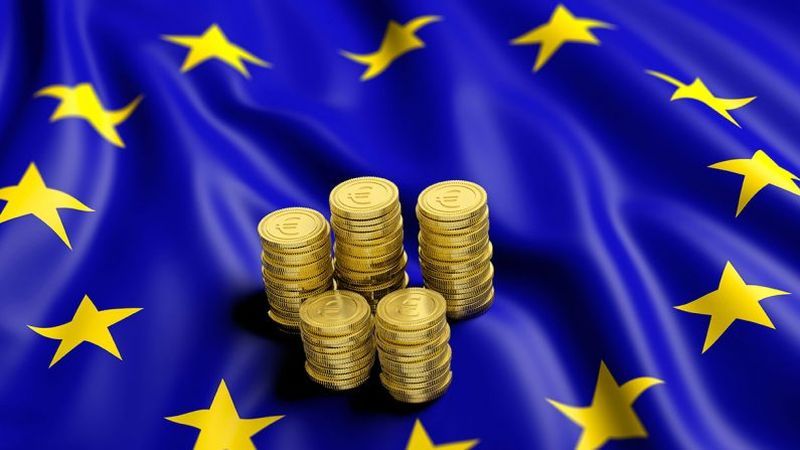
These economic measures, which were first adopted in 2014, have been significantly extended since February 2022 in response to Russia’s unprovoked, unjustified and illegal military aggression against Ukraine.
They now consist of a wide range of sectoral measures, including restrictions on trade, finance, energy, technology and dual-use goods, industry, transport and luxury goods. They also cover a ban on the import or transfer of maritime crude oil and certain petroleum products from Russia to the EU, the exclusion of several Russian banks from the SWIFT system and the suspension of broadcasting licences and activities in the EU of several Kremlin-backed disinformation companies. In addition, the EU has specific measures in place to counter sanctions circumvention.
As long as the Russian Federation’s illegal actions continue to violate fundamental norms of international law, in particular the prohibition of the use of force, all measures imposed by the EU should remain in place and additional measures should be taken, if necessary.
Context
On 31 July 2014, the Council adopted Decision 2014/512/CFSP concerning restrictive measures motivated by Russian actions destabilising the situation in Ukraine.
In addition to the economic sanctions imposed on the Russian Federation, the EU has adopted different types of measures in response to Russia’s destabilising actions against Ukraine. These include restrictions on economic relations with illegally annexed Crimea and the city of Sevastopol, as well as with the non-government-controlled areas of Ukraine in Donetsk, Kherson, Luhansk and Zaporizhya oblasts; individual restrictive measures (freezing of assets and travel restrictions) against a wide range of individuals and entities; and diplomatic measures.
Since 24 February 2022, the EU has adopted an unprecedentedly strong 15 sanctions packages in response to Russia’s large-scale invasion of Ukraine.
In its Conclusions of 19 December 2024, the European Council reiterated its strong condemnation of Russia’s war of aggression against Ukraine, which constitutes a flagrant violation of the UN Charter, and reaffirmed its continued support for Ukraine’s independence, sovereignty and territorial integrity within its internationally recognised borders. It also reaffirmed the European Union’s unwavering determination to continue to provide political, financial, economic, humanitarian, military and diplomatic support to Ukraine and its people for as long and as intensively as necessary.
More information: Council of the European Union.
Publicaciones relacionadas:
 EU launches call for EU companies to invest in Ukraine recovery and reconstruction
 Parliament calls for an EU crackdown on Russia’s ’shadow fleet’
 EU widens restrictive measures in view of Iran support of the Russian war
New €148 million EU humanitarian aid package for Ukraine
EU widens restrictive measures in view of Iran support of the Russian war
New €148 million EU humanitarian aid package for Ukraine
 Ukraine: Council extends the mandate of the EU Military Assistance Mission for two years
Leave a Reply