
The Commission adopted new minimum hygiene standards for materials and products that come into contact with drinking water. They will apply as of 31 December 2026 to materials and products used in new installations, or when older installations are renovated or repaired. These standards will prevent microbial growth and reduce the risk of harmful substances leaching into drinking water.
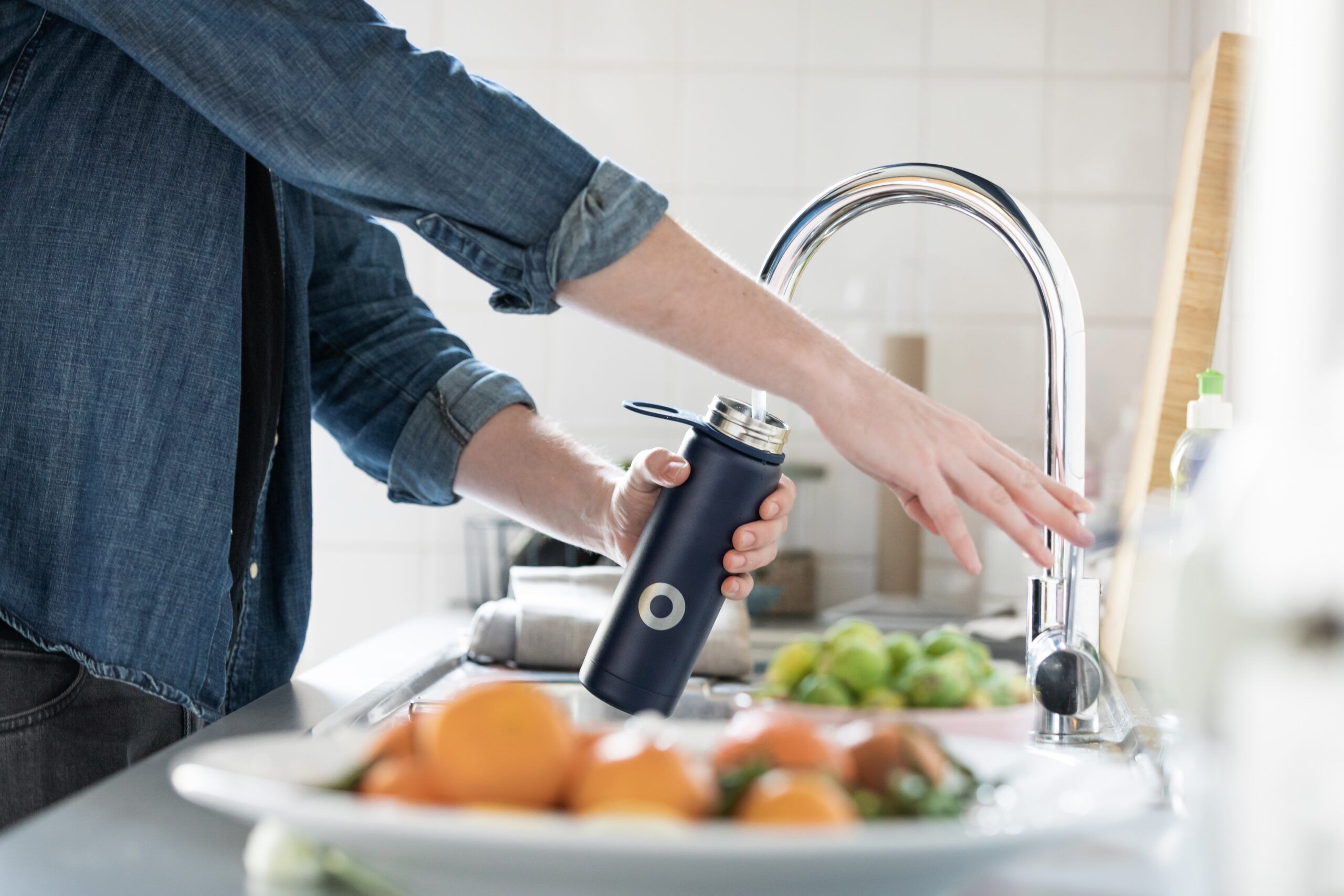
The new standards will apply to materials and products intended to be used in new installations for the abstraction, treatment, storage or distribution of water, or for repair works, such as for instance supply pipes, valves, pumps, water meters, fittings and taps. This will make water safer to drink and will reduce the administrative burden for companies that produce the relevant materials and products, as well as for national authorities.
Until now, there has been little harmonisation across the EU, and producers were obliged to seek different approvals in each Member State where they wished to sell their products. The new rules will also simplify the approval work previously carried out by each national authority.
Materials and products that comply with the new EU standards will receive an EU declaration of conformity and an EU specific marking. The product can therefore be sold across the EU without any restrictions linked to possible public health or environmental concerns.
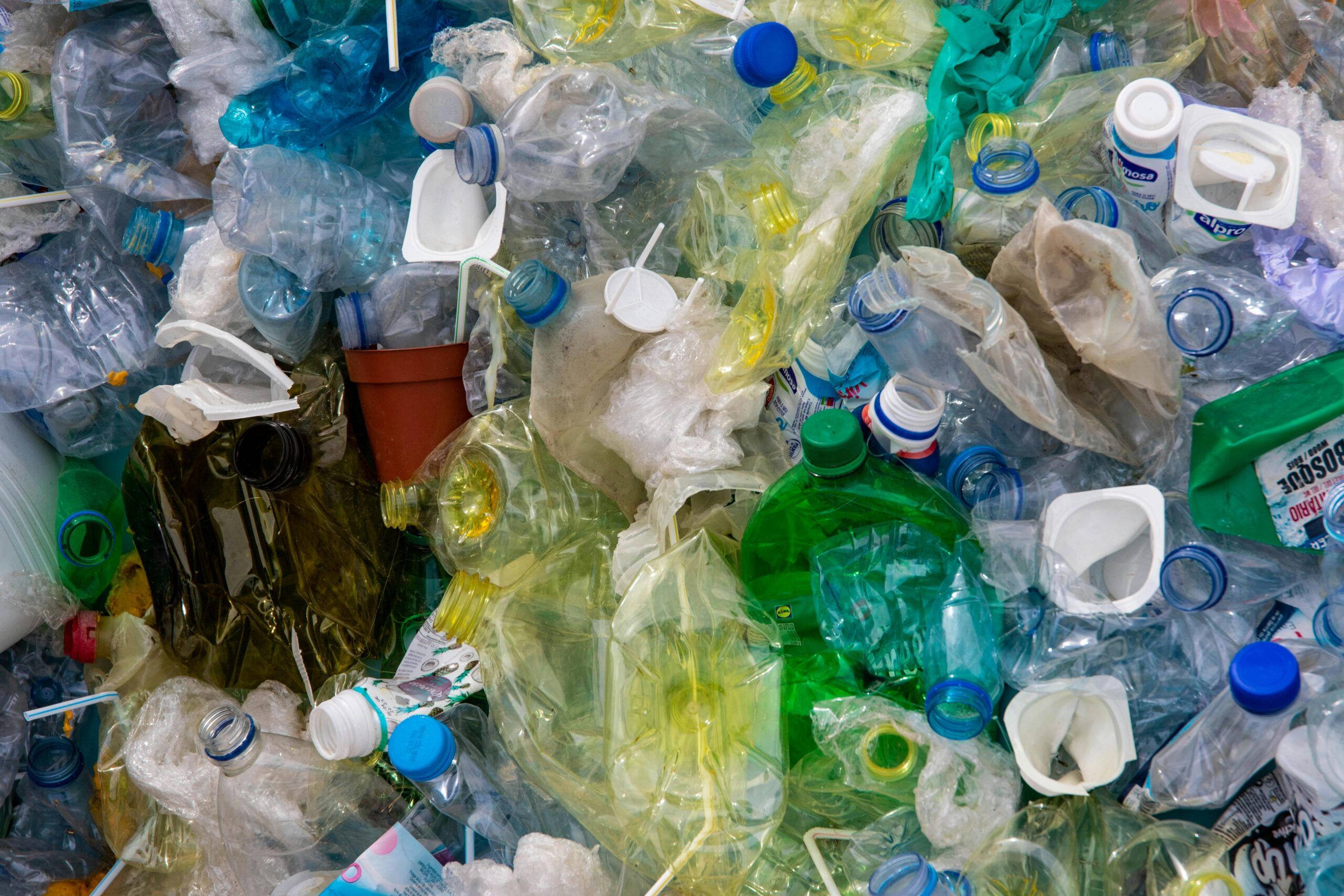
European Parliament revamped rules to reduce, reuse and recycle packaging |
Background
The Drinking Water Directive was revised in 2020 and new rules entered into force across the EU in January 2021. The revised Directive guarantees safer access to water for all Europeans and ensures the highest standards in the world for drinking water, in line with the zero pollution ambition announced in the European Green Deal. The new rules also respond to the first-ever successful European Citizens’ Initiative, “Right2Water”, which gathered 1.6 million signatures in support of improving access to safe drinking water for all Europeans.
The Directive aims to protect EU citizens’ health by setting strict quality standards. Member States had to transpose this Directive into national laws by 12 January 2023. But as of today, six Member States have not yet done so. The Commission is working closely with these Member States to ensure that the rules are correctly reflected into national laws.
Next steps
Following the adoption by the Commission of the three delegated acts, the European Parliament and the Council now have two months to formulate any objections. If they do not, the delegated act enters into force. All six acts are expected to be published in the Official Journal following these two months.
Work is ongoing on further methodologies and guidelines required by the Drinking Water Directive, including on how to measure micro-plastics and per- and polyfluoroalkyl substances (PFAS) in drinking water.
More Information: European Commission
Implementing and Delegated Acts
Drinking Water Directive (2020/2184/EU)
Webpage on the Drinking Water Directive
Publicaciones relacionadas:
 JRC launches new tool to explore the future of European energy
 The European Commission announces more than 116M € of investment in strategic projects under the new LIFE Program
 European Parliament proposes stricter rules to stamp out fast fashion
 How the European Union contributes to the protection of the oceans
 EU proposes comprehensive new on Climate-Security nexus
Leave a Reply