
MEPs on the Environment Committee today approved their recommendations for the EU to adopt measures to ensure circular, sustainable and socially just textile production.
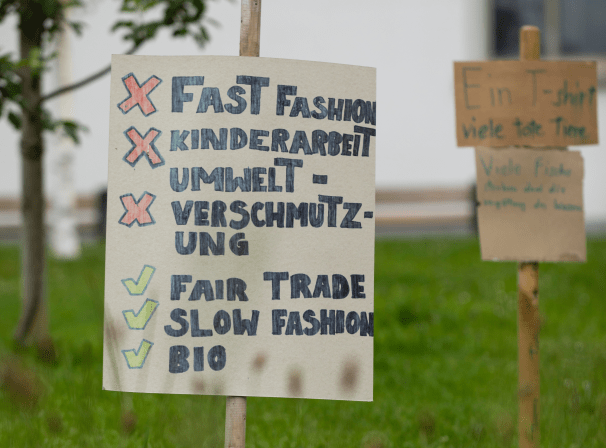
MEPs say textile products sold in the EU should be more durable, easier to reuse, repair and recycle, made to a great extent of recycled fibres, and free of hazardous substances. They underline that textiles should be produced in a manner that respects human, social and labour rights, the environment and animal welfare throughout their supply chain.
Driving fast fashion out of fashion
To tackle overproduction and the overconsumption of clothes and footwear, the Committee calls on the Commission and EU countries to adopt measures that put an end to “fast fashion”, starting with a clear definition of the term based on “high volumes of lower quality garments at low price levels”. Consumers should be better informed to help them make responsible and sustainable choices, including through the introduction of a “digital product passport” in the upcoming revision of the ecodesign regulation.
Reducción de emisiones, uso de agua y energía, aumento de la recogida y reutilización
MEPs want ambitious science-based targets to reduce greenhouse gas emissions in the entire lifecycle of the textiles sector. They request the Commission and member states to ensure that production processes become less energy- and water-intensive, avoid the use and release of harmful substances, and reduce material and consumption footprints. Ecodesign requirements on all textile and footwear products should be adopted as a priority.
MEPs also want the revision of the Waste Framework Directive to include specific separate targets for textile waste prevention, collection, reuse and recycling, as well as the phase out of the landfilling of textiles.
Other recommendations include:
- The inclusion of an explicit ban on the destruction of unsold and returned textile goods in the EU ecodesign rules;
- Clear rules to put an end to greenwashing practices, through the ongoing legislative work on empowering consumers in the green transition and regulating green claims;
- Ensure fair and ethical trade practices through enforcing EU trade agreements;
- The launch without further delay of the Commission initiative to prevent and minimise the release of microplastics and microfibers into the environment.
The own initiative report was adopted with 68 votes in favour, none against and one abstention.
HORIZON EUROPE: Bioinspired and biomimetic materials for sustainable textiles (IA) |
Quote
Rapporteur Delara Burkhardt (S&D, DE) said: “Consumers alone cannot reform the global textile sector through their purchasing habits. If we allow the market to self-regulate, we leave the doors open for a fast fashion model that exploits people and the planet’s resources. The EU must legally oblige manufacturers and large fashion companies to operate more sustainably. People and the planet are more important than the textile industry’s profits. The disasters that have occurred in the past, such as the collapse of the Rana Plaza factory in Bangladesh, growing landfills in Ghana and Nepal, polluted water, and microplastics in our oceans, show what happens when this principle is not pursued. We have waited long enough – it is time to make a change!”
Next steps
The report is expected to be adopted in plenary before the summer.
Background
The Commission presented the EU Strategy for Sustainable and Circular Textiles on 30 March 2022 to address the entire lifecycle of textile products and propose actions to change how we produce and consume textiles. It aims to implement the commitments of the European Green Deal, the new circular economy action plan and the industrial strategy for the textiles’ sector.
Source: European Parliament
Publicaciones relacionadas:
 European Green Deal: transformation of EU economy and society to meet climate ambitions
 “Less is more” : the Bauhaus spirit
 New limits for some of the most harmful chemicals in waste
 The CJEU concludes that purchasers of cars affected by “dieselgate” will be entitled to compensation.
 JRC launches new tool to explore the future of European energy
Leave a Reply