
On Wednesday, Parliament adopted its position on new EU-wide rules on packaging, to tackle constantly growing waste and boost reuse and recycling.
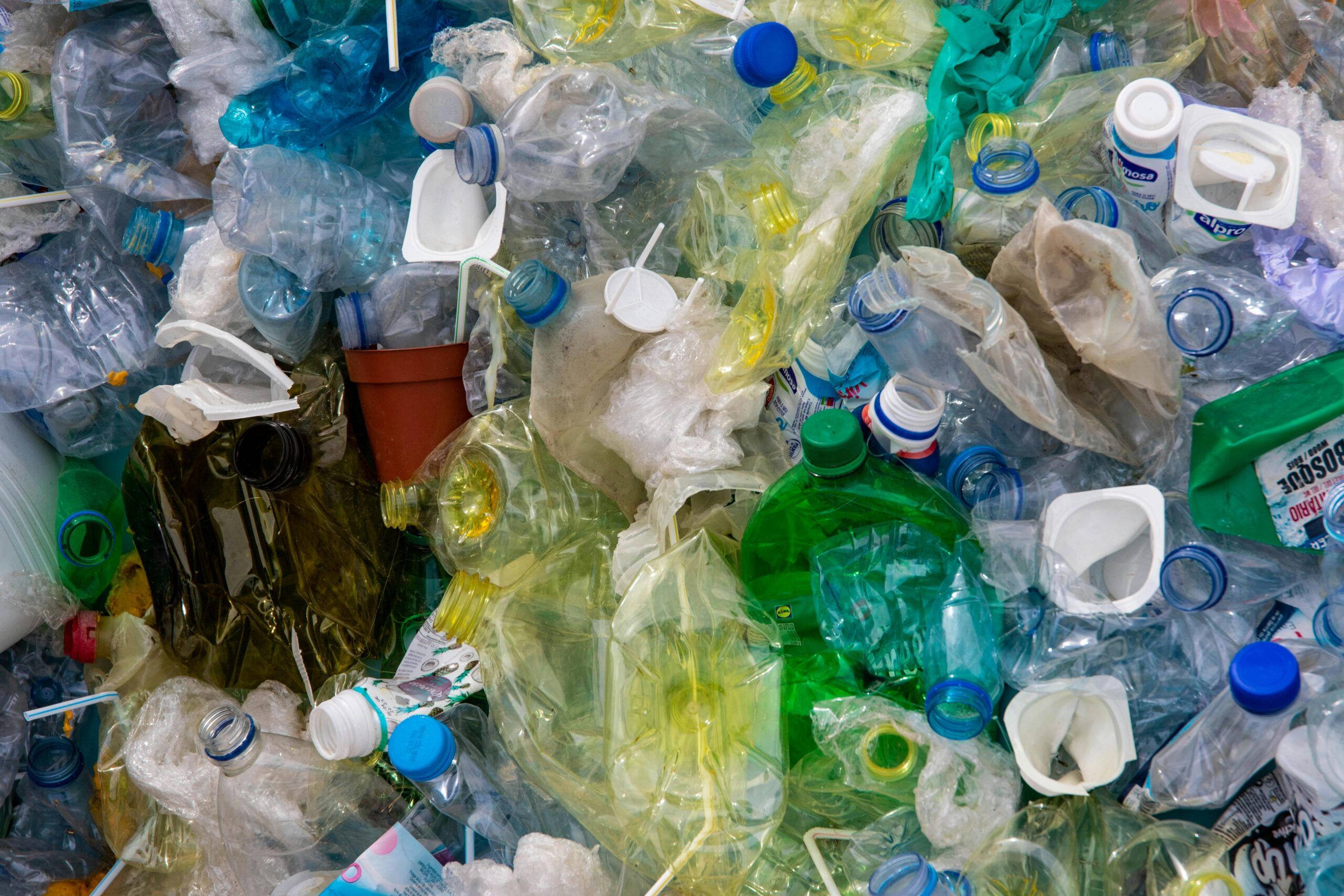
MEPs approved the report, which constitutes Parliament’s mandate for negotiations with EU governments, with 426 votes in favour, 125 against and 74 abstentions.
Reduce packaging, restrict certain types and ban the use of “forever chemicals”
Besides the overall packaging reduction targets proposed in the regulation (5% by 2030, 10 % by 2035 and 15 % by 2040), MEPs want to set specific targets to reduce plastic packaging (10% by 2030, 15% by 2035 and 20% by 2040).
MEPs want to ban the sale of very lightweight plastic carrier bags (below 15 microns), unless required for hygiene reasons or provided as primary packaging for loose food to help prevent food wastage. They also propose to heavily restrict the use of certain single use packaging formats, such as hotel miniature packaging for toiletry products and shrink-wrap for suitcases in airports.
To prevent adverse health effects, MEPs ask for a ban on the use of so called “forever chemicals” (per- and polyfluorinated alkyl substances or PFASs) and Bisphenol A in food contact packaging.
Encourage reuse and refill options for consumers
MEPs aim to clarify the requirements for packaging to be reused or refilled. Final distributors of beverages and take-away food in the food service sector, such as hotels, restaurants and cafés, should give consumers the option of bringing their own container.
Better collection and recycling of packaging waste
The new rules require that all packaging should be recyclable, fulfilling strict criteria to be defined through secondary legislation. Certain temporary exemptions are foreseen, for example for wood and wax food packaging.
MEPs want EU countries to ensure that 90% of materials contained in packaging (plastic, wood, ferrous metals, aluminium, glass, paper and cardboard) is collected separately by 2029.
The Commission is proposing new EU-wide rules on packaging |
Quote
Rapporteur Frédérique Ries (Renew, BE) said: “Recent events in Europe, and particularly in Belgium, concerning water pollution by PFAS chemicals show the urgent need for action. By voting to ban “forever” pollutants in food packaging, the European Parliament has shown that it seeks to protect the health of European citizens. Regarding plastics, the contract has been fulfilled, since my legislative report tackles the heart of the issue by setting tougher waste reduction targets for plastic packaging. Unfortunately, on the circular economy, and prevention in particular, the outcome of the plenary vote is not so positive and ignores the reality of the figures: a 30% increase by 2030 if we don’t act now. Of the 3Rs (Reduce, Reuse, Recycle), only recycling escaped unscathed. The end of throwaway packaging is still a long way off!”
Next steps
Parliament is ready to start talks with national governments on the final form of the law, once the Council has adopted its position.
Background
In 2018, packaging generated a turnover of EUR 355 billion in the EU. It is an ever-increasing source of waste, the EU total having increased from 66 million tonnes in 2009 to 84 million tonnes in 2021. Each European generated 188.7 kg of packaging waste in 2021, a figure that is expected to increase to 209 kg in 2030 without additional measures.
In adopting this report, Parliament is responding to citizens’ expectations to build a circular economy, avoid waste, phase-out non-sustainable packaging and tackle the use of single use plastic packaging, as expressed in proposals 5(1), 5(3), 5(4), 5(5), 11(1), 11(4) and 20(3) of the conclusions of the Conference on the Future of Europe.
More information: European Parliament
Publicaciones relacionadas:
 The Commission is proposing rules to make producers responsible for the full lifecycle of textile products
 Circular economy: definition, importance and benefits
 Plastic waste and recycling in the EU: facts and figures
 Is a cow’s stomach the answer to breaking down hard-to-recycle plastic?
 Single European Sky: lowering emissions and reducing delays
Leave a Reply