• Skip to primary navigation
  • Skip to main content
  • Skip to primary sidebar
  • Skip to footer
  • Bluesky
  • Facebook
  • Instagram
  • Twitter
  • YouTube
CDE Almería – Centro de Documentación Europea – Universidad de Almería

CDE Almería - Centro de Documentación Europea - Universidad de Almería

Centro de Documentación Europea de la Universidad de Almería

  • HOME
  • WHAT´S ON
    • EU NEWS
    • Activities
    • EU Calls and Awards
    • Radio Program «Europe with You»
  • DOCUMENTATION
    • EU Media Collection
      • Web Space
      • MEDIATHEQUE REPOSITORY
  • Europe on the net
    • Institutions
    • EU Representation in Spain
    • European information network of Andalusia
  • ABOUT US
    • Presentation
    • Services
    • People
    • Contact
  • Spanish
  • English

Disability strategy: EP calls for greater efforts in employment, housing and healthcare

Inicio » Noticias UE » Asuntos Sociales » Igualdad » Disability strategy: EP calls for greater efforts in employment, housing and healthcare

1 de December de 2025

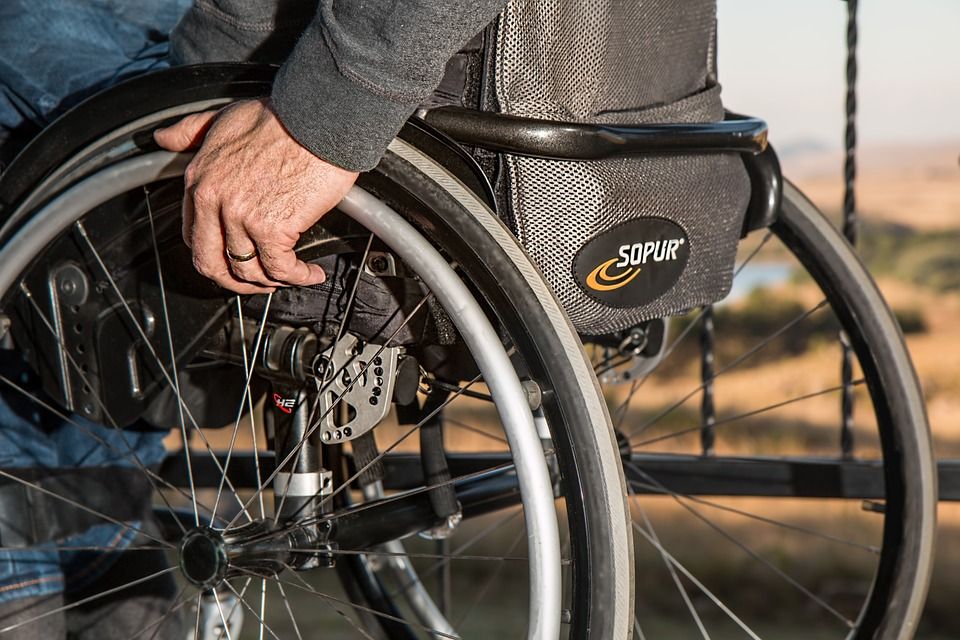
The EP wants ambitious measures to ensure access for people with disabilities to the labour market, social protection, education, healthcare, housing and digital services.

In a resolution adopted on Thursday by 490 votes to 9, with 109 abstentions, MEPs call for an effective strategy for 2025-2030 that includes concrete measures and legal instruments to address the barriers still faced by people with disabilities in the EU and ensure their full inclusion and the fulfilment of their rights.
Employment and skills guarantee and common EU-wide definition of ‘disability’

To improve the employment situation and boost employment for people with disabilities, MEPs propose an EU-funded European guarantee for employment and skills, as well as measures to improve access to training and education. The text also calls on the European Commission to propose a common definition of disability in the EU to ensure that citizens with disabilities enjoy the same rights in all Member States. In addition, MEPs advocate clear sanctions when authorities or private entities fail to comply with EU accessibility obligations.

Special attention to women and girls with disabilities

The report highlights the situation of women and girls with disabilities. MEPs call for action to tackle the discrimination they face and improve their access to healthcare, participation in public life and protection. They also believe that greater efforts are needed to improve accessibility for women and girls with disabilities in sport, transport, products and digital technologies.

Finally, the text acknowledges the existence of European platforms and legislation, such as AccessibleEU, the European Accessibility Act and the Web Accessibility Directive. However, it insists on the need to strengthen and fully implement these tools.

Statement by the rapporteur

The rapporteur for the report, Rosa Estaràs Ferragut (EPP, Spain), said: “Today’s vote marks a decisive moment in ensuring that people with disabilities can fully exercise their rights in the EU. We must turn political intent into concrete action in all Member States, ensuring dignity, accessibility and equal opportunities for all. No one should be left behind in Europe. This affects people. It is about ensuring that people with disabilities can live independently, access opportunities and participate fully in society. Today is a decisive day for transforming our commitment into real change.”

Background

In March 2021, the European Commission approved a strategy for the rights of persons with disabilities for 2021–2030. This plan includes several key initiatives, such as AccessibleEU, the European Disability Card and the Disability Platform. The strategy covered programmes and initiatives until 2024. With today’s resolution, Parliament is proposing new measures for the second half of the decade.

More information: European Parliament

Publicaciones relacionadas:

Día Internacional de la mujerParliament calls for ambitious gender equality strategy bandera lgtbiqCommission builds on Union of Equality with adoption of new LGBTIQ+ Equality strategy Can we build lifelong learning systems? LGBTIQ rights in Hungary: debate with Council and Commission Imagen promocional de "Skills for Inclusion" con siluetas de personas con distintas discapacidades2023: a year for skills and inclusion

Equality,  EU News,  Social Affairs actualidad,  Disability,  education,  Employment,  European Parliament,  European Union,  health,  housing,  Inclusión,  News,  strategy

“This is a space for debate. All comments, for or against publication, that are respectful and do not contain expressions that are discriminatory, defamatory or contrary to current legislation will be published”.

Reader Interactions

Leave a Reply Cancel reply

Your email address will not be published. Required fields are marked *

This site uses Akismet to reduce spam. Learn how your comment data is processed.

Primary Sidebar

Footer

  • CDE Almería
  • Biblioteca Nicolás Salmerón – Universidad de Almería
  • Planta: 1ª, Despacho: 1.05.0B.
  • Ctra. Sacramento s/n. Almería (Spain)
  • Teléfono: (+34) 950 015266

HOME
NEWS
DOCUMENTATION
EUROPE ON THE NET
ABOUT US

  • LEGAL NOTICE
  • PRIVACY POLICY
  • COOKIE POLICY
  • ACCESSIBILITY
  • SITEMAP

Copyright © 2026 CDE Almería · Creative Commons LicenseThis work is licensed under a Creative Commons Attribution-NonCommercial 4.0 International License.

<p>El Centro de Documentación Europea de la Universidad de Almería utiliza cookies propias y de terceros para facilitar al usuario la navegación en su página Web y el acceso a los distintos contenidos alojados en la misma. Asimismo, se utilizan cookies analíticas de terceros para medir la interacción de los usuarios con el sitio Web. Pinche el siguiente enlace si desea información sobre el uso de cookies y como deshabilitarlas. </p>

Politica de privacidad

El Centro de Documentación Europea de la Universidad de Almería utiliza cookies propias y de terceros para facilitar al usuario la navegación en su página Web y el acceso a los distintos contenidos alojados en la misma. Asimismo, se utilizan cookies analíticas de terceros para medir la interacción de los usuarios con el sitio Web. Pinche el siguiente enlace si desea información sobre el uso de cookies y como deshabilitarlas. <a href="/politica-de-cookies" rel="noopener" target="_blank">Más información</a>

Cookies estrictamente necesarias

Las cookies estrictamente necesarias tiene que activarse siempre para que podamos guardar tus preferencias de ajustes de cookies.

Básicamente la web no funcionara bien si no las activas.

Estas cookies son:

  • Comprobación de inicio de sesión.
  • Cookies de seguridad.
  • Aceptación/rechazo previo de cookies.
Cookies de terceros

Esta web utiliza Google Analytics, Google Tag Manager y Yandex Metrika para recopilar información anónima tal como el número de visitantes del sitio, o las páginas más populares.

Dejar estas cookies activas nos permite mejorar nuestra web.

Política de cookies

Pinche el siguiente enlace si desea información sobre el uso de cookies y como deshabilitarlas. Más información