• Skip to primary navigation
  • Skip to main content
  • Skip to primary sidebar
  • Skip to footer
  • Bluesky
  • Facebook
  • Instagram
  • Twitter
  • YouTube
CDE Almería – Centro de Documentación Europea – Universidad de Almería

CDE Almería - Centro de Documentación Europea - Universidad de Almería

Centro de Documentación Europea de la Universidad de Almería

  • HOME
  • WHAT´S ON
    • EU NEWS
    • Activities
    • EU Calls and Awards
    • Radio Program «Europe with You»
  • DOCUMENTATION
    • EU Media Collection
      • Web Space
      • MEDIATHEQUE REPOSITORY
  • Europe on the net
    • Institutions
    • EU Representation in Spain
    • European information network of Andalusia
  • ABOUT US
    • Presentation
    • Services
    • People
    • Contact
  • Spanish
  • English

Council and Parliament reach deal to Reform of electricity market design

Inicio » EU News » Environmental Affairs » Energy » Council and Parliament reach deal to Reform of electricity market design

14 de December de 2023

The reform of the electricity market is the EU’s long-term response to the energy crisis experienced in 2022.
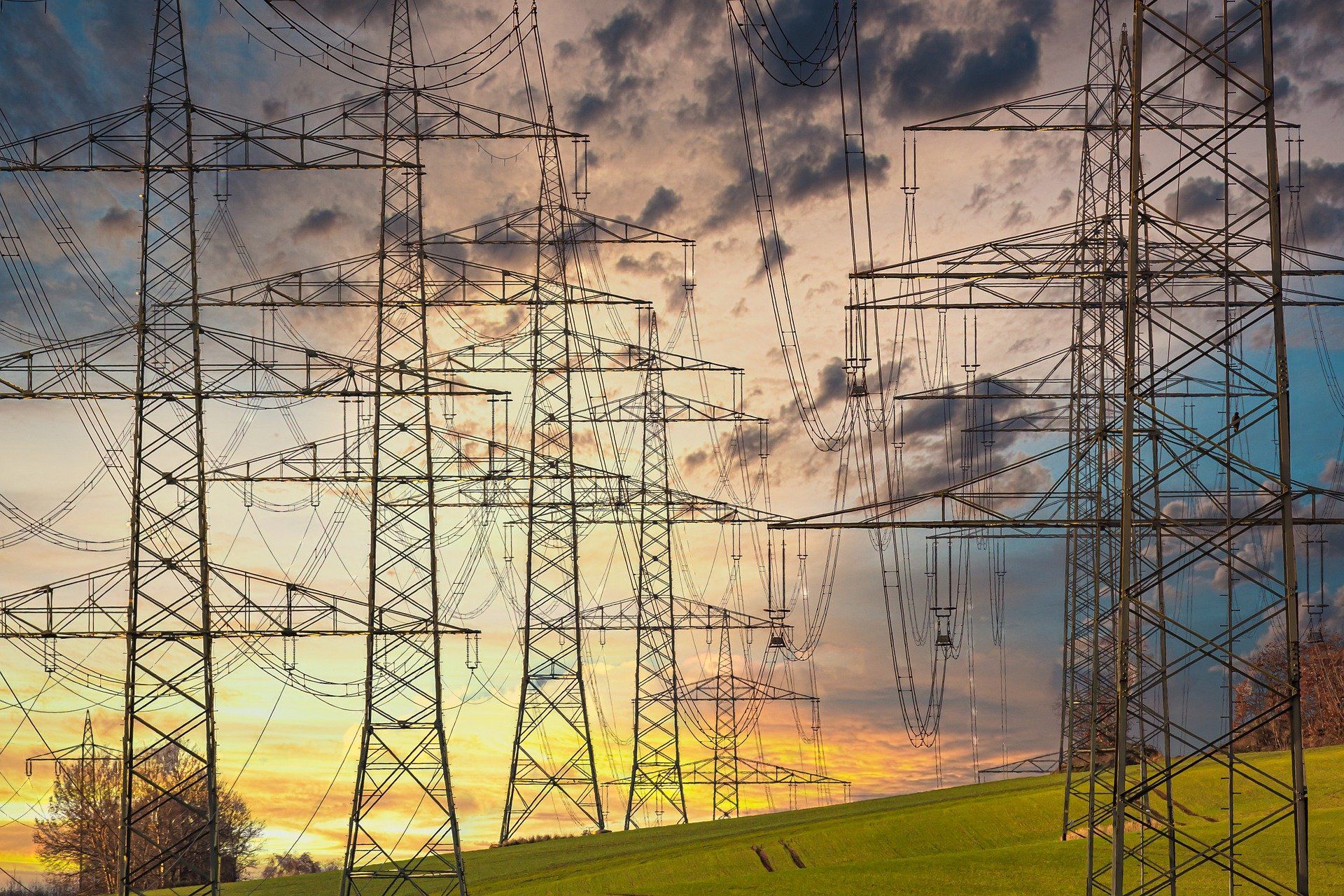
Despite a high share of renewables in energy generation, high spikes in fossil fuel prices (especially gas) have caused a steep increase in electricity prices.

This is due to the functioning of the EU electricity market, where the price of power is based on the cost of the fossil fuels used in electricity generation. This mechanism is called the merit order principle. When high prices hit consumers in summer 2022, EU countries acted immediately to ease the burden on citizens with measures such as grants and the suspension of VAT.

The reform focuses on long-term solutions, in order to avoid similar situations in the future.

What will change with the electricity market reform?

The new rules will make electricity prices less dependent on the price of fossil fuels. This will create a buffer between markets and the electricity bills paid by consumers.

The reform aims to ensure: Better protection for consumers, more stability for companies and increased green electricity

Better protection for consumers

Citizens will have more options when signing an electricity contract. This means:

  • increased availability of fixed price and fixed term contracts
  • flexibility to choose dynamic pricing, with multiple or combined contracts possible
  • clearer information before signing

Access to renewable energy will be easier thanks to trading electricity generated from renewables locally (for instance energy from solar panels can be sold to neighbours).

Vulnerable consumers will be better protected:

  • governments will ensure that there are sufficient suppliers of last resort so no consumers remain without electricity
  • governments can better regulate retail prices for households and SMEs
European Commission proposes reform of the EU electricity market set-up

More stability and competitiveness for companies

Businesses will have more stable prices thanks to long-term contracts (such as power purchase agreements whereby the power generator agrees to sell energy directly to energy consumers at a certain price).

Power producers will have more stable revenue. Investments in new power-generating facilities based on wind energy, solar energy, geothermal energy, hydropower (without reservoir and nuclear energy) will be made in the form of two-way contracts for difference (CfDs). On the one hand, this secures a minimum return on such investments and on the other, it prevents excessive costs in the event of another crisis.

How does a two-way contract for difference work?

The generator sells the electricity in the market but then settles the difference between the market price and the strike price agreed in advance with the public entity. Any excess revenues shall be distributed to final customers, with some flexibility for member states.

Increased green electricity

New rules will also make it easier to integrate renewables into the system. Moreover, renewables generation will be easier to predict (through new transparency obligations for system operators and enhanced ability to monitor the energy market).

This will make it possible to both keep prices under control and meet ambitious climate targets that the EU set in the Fit for 55 package.

More information: European Council
Publicaciones relacionadas:

monedas de dos euros apiladasProvisional agreement reached on European green bonds Council reaches agreement on parts of electricity market reform Default ThumbnailJRC launches new tool to explore the future of European energy hojas de árbolCommission launches EU missions to tackle major challenges Support for Ukraine and the energy situation in Europe

Energy,  Environmental Affairs,  EU News electricity market,  European Council,  European Union,  reform

“This is a space for debate. All comments, for or against publication, that are respectful and do not contain expressions that are discriminatory, defamatory or contrary to current legislation will be published”.

Reader Interactions

Leave a Reply Cancel reply

Your email address will not be published. Required fields are marked *

This site uses Akismet to reduce spam. Learn how your comment data is processed.

Primary Sidebar

Footer

  • CDE Almería
  • Biblioteca Nicolás Salmerón – Universidad de Almería
  • Planta: 1ª, Despacho: 1.05.0B.
  • Ctra. Sacramento s/n. Almería (Spain)
  • Teléfono: (+34) 950 015266

HOME
NEWS
DOCUMENTATION
EUROPE ON THE NET
ABOUT US

  • LEGAL NOTICE
  • PRIVACY POLICY
  • COOKIE POLICY
  • ACCESSIBILITY
  • SITEMAP

Copyright © 2026 CDE Almería · Creative Commons LicenseThis work is licensed under a Creative Commons Attribution-NonCommercial 4.0 International License.

<p>El Centro de Documentación Europea de la Universidad de Almería utiliza cookies propias y de terceros para facilitar al usuario la navegación en su página Web y el acceso a los distintos contenidos alojados en la misma. Asimismo, se utilizan cookies analíticas de terceros para medir la interacción de los usuarios con el sitio Web. Pinche el siguiente enlace si desea información sobre el uso de cookies y como deshabilitarlas. </p>

Politica de privacidad

El Centro de Documentación Europea de la Universidad de Almería utiliza cookies propias y de terceros para facilitar al usuario la navegación en su página Web y el acceso a los distintos contenidos alojados en la misma. Asimismo, se utilizan cookies analíticas de terceros para medir la interacción de los usuarios con el sitio Web. Pinche el siguiente enlace si desea información sobre el uso de cookies y como deshabilitarlas. <a href="/politica-de-cookies" rel="noopener" target="_blank">Más información</a>

Cookies estrictamente necesarias

Las cookies estrictamente necesarias tiene que activarse siempre para que podamos guardar tus preferencias de ajustes de cookies.

Básicamente la web no funcionara bien si no las activas.

Estas cookies son:

  • Comprobación de inicio de sesión.
  • Cookies de seguridad.
  • Aceptación/rechazo previo de cookies.
Cookies de terceros

Esta web utiliza Google Analytics, Google Tag Manager y Yandex Metrika para recopilar información anónima tal como el número de visitantes del sitio, o las páginas más populares.

Dejar estas cookies activas nos permite mejorar nuestra web.

Política de cookies

Pinche el siguiente enlace si desea información sobre el uso de cookies y como deshabilitarlas. Más información