
The Council presidency and European Parliament representatives reached a provisional agreement on a targeted revision of regulation (EU) 2016/2031, also known as the plant health law. This revision aims to improve and streamline the regulation’s application and enforcement.
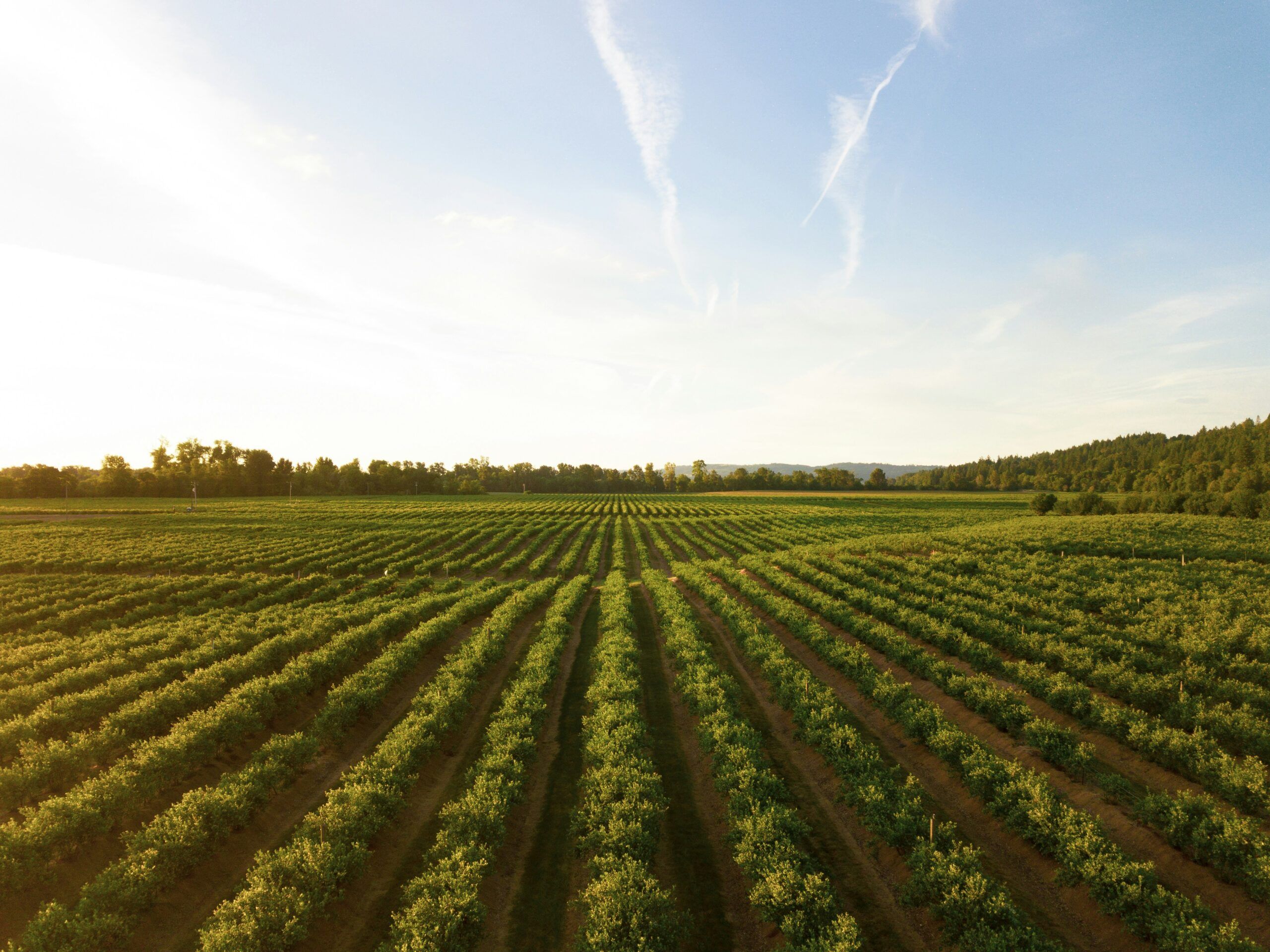
Main elements of the provisional agreement
The provisionally agreed text reflects the overall goals of the Commission’s proposal. More specifically, the revised regulation aims to:
- improve procedures for identifying and listing high-risk plants, and for submitting and examining requests for temporary derogations from import obligations coming from non-EU countries
- clarify measures for pests that qualify as quarantine pests, but which have not yet been fully assessed
- rationalise and simplify reporting obligations, thanks to increased digitalisation; this will help cut red tape for the competent authorities, as well as for operators
Plant health emergency team
The two co-legislators further improved the Commission’s proposal by providing for the creation of a Union plant health emergency team.
The team would be made up of experts appointed by the Commission, based on proposals from member states. These experts would have different specialities in the field of plant health and would be able to assist in the event of new outbreaks of pests in the EU.
Additionally, they could provide bordering third countries with urgent assistance and expertise in the case of outbreaks that could affect the EU, if this is requested by one or more member states.
Multiannual survey programmes
In order to streamline reporting obligations, the co-legislators agreed to increase the duration of multiannual survey programmes, which would now have to be established for a period of five to ten years, instead of the current period of five to seven years. This will help reduce the administrative burden for the competent authorities.
To ensure the timely detection of pests, these programmes are to be reviewed and updated depending on the phytosanitary situation.
Plant passports
According to the provisionally agreed text, the Commission can decide via implementing acts which plants, plant products or other objects can travel without a plant passport physically attached to them because, for instance, of their size or their shape, which would make the attachment impossible or very difficult. These plants or plant products would instead have the plant passport associated with them in a way other than that of a physical attachment.
This change to the current rules is based on the experience gained so far by operators in the implementation of the plant health law.
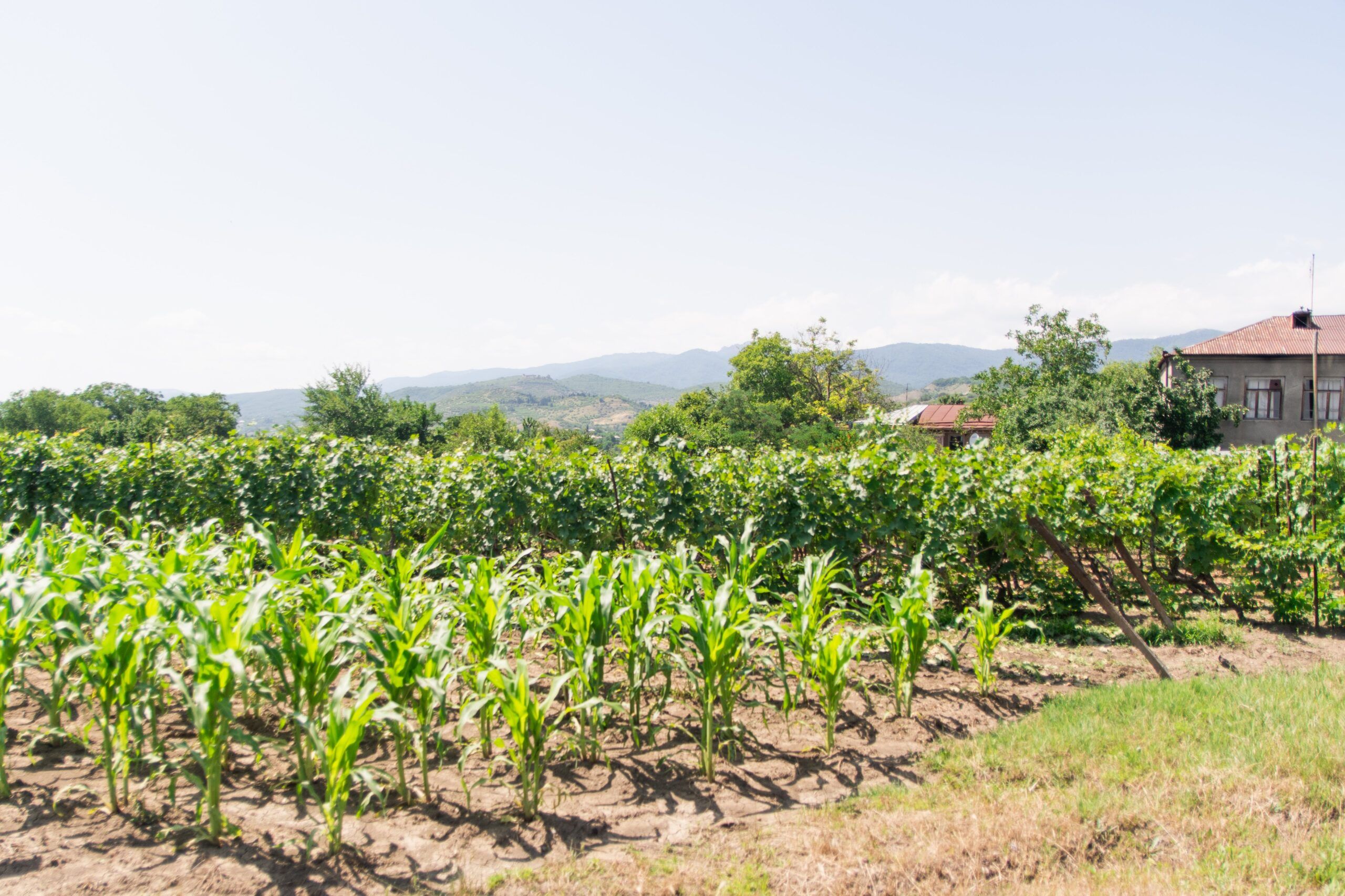
European Commission adopts regulation exempting European farmers from set-aside rules |
Next steps
The provisional agreement will now have to be endorsed by the Council and the Parliament. It will then be formally adopted by both institutions following legal-linguistic revision.
More information: Council of the European Union
Publicaciones relacionadas:
 On 2 January 2023, the law regulating the management system of the new CAP entered into force.
 New rules on food transparency and sustainability
 European Critical Raw Materials Act: law to ensure access to a diversified, affordable and sustainable supply enters into force
 Council and Parliament strike provisional deal on the right to repair directive
 September infringement package: main decisions for Spain – Agriculture and Fisheries
Leave a Reply