
The Council has reached an agreement (‘general approach’) on a proposal to update and strengthen the regulation on CO2 emission standards for heavy-duty vehicles.
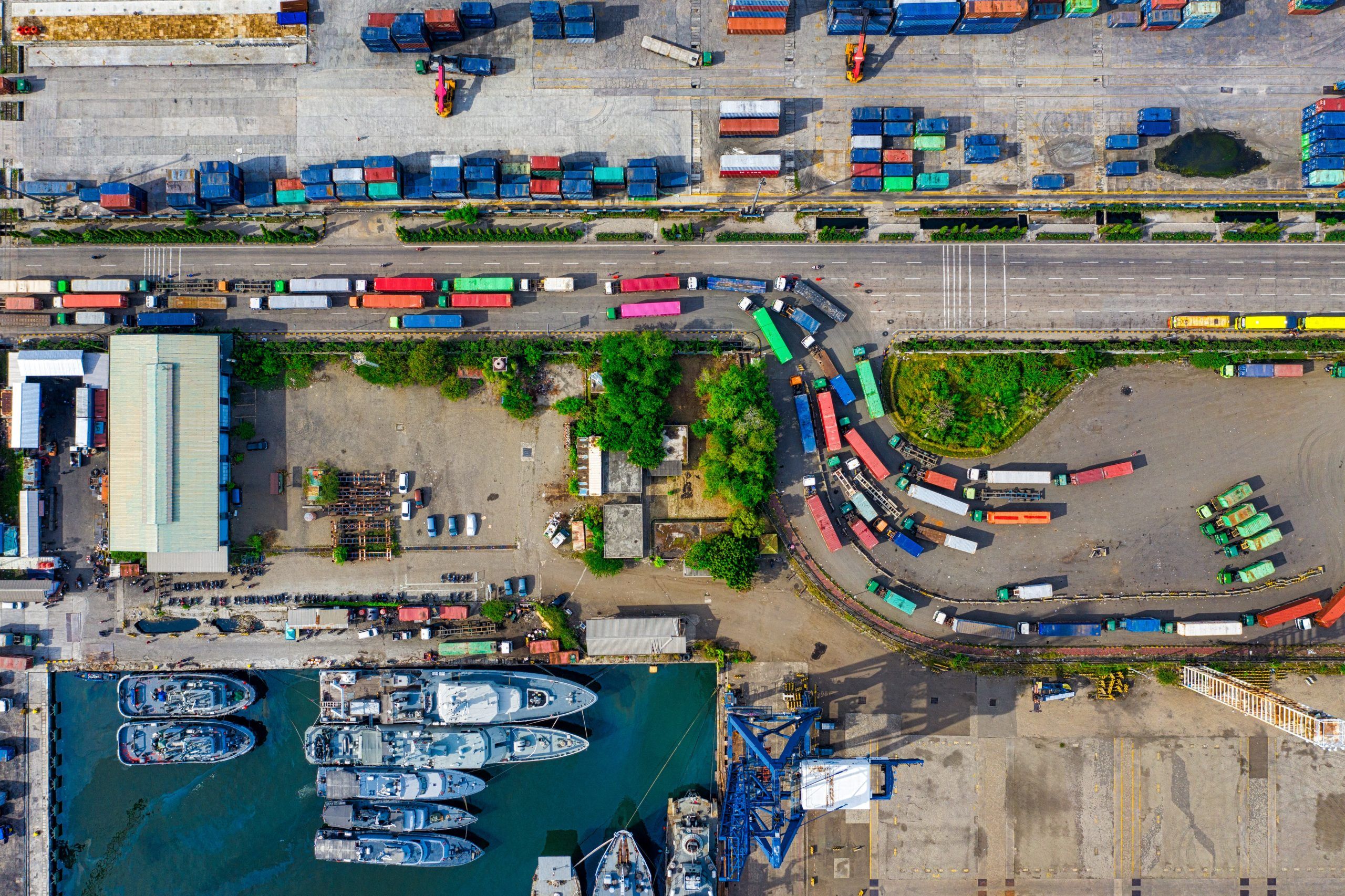
The aim of the proposal is to further reduce CO₂ emissions in the road transport sector and to introduce new targets for 2030, 2035 and 2040. The new rules will contribute to the EU achieving its ambitions to fight climate change.
The proposal also aims to encourage an increasing share of zero-emission vehicles in the EU-wide heavy-duty vehicle fleet, while ensuring that innovation in the sector and its competitiveness are preserved and enhanced.
The general approach will serve as a mandate for negotiations with the European Parliament on the final shape of the legislation.
Main changes agreed by the Council
The Council’s text strikes a balance between keeping the Commission proposal’s main ambition to reduce the climate impact of the heavy-duty vehicle sector and allowing member states some flexibility in the implementation of the amended regulation, while strengthening innovation and reinforcing the EU’s competitiveness in the sector.
Scope of the regulation
The proposal expands the scope of the regulation to make almost all new heavy-duty vehicles with certified CO₂ emissions – including smaller trucks, urban buses, coaches and trailers – subject to emission reduction targets.
An exemption from the CO₂ reduction targets set in the regulation will apply to small-volume manufacturers and to vehicles used for mining, forestry and agriculture; to vehicles for use by the armed forces and fire services; to vehicles for use in civil protection, public order and medical care; and to vocational vehicles such as garbage trucks.
Member states amended the definition of ‘zero-emission heavy-duty vehicle’ by further lowering the proposed threshold, which still covers hydrogen-fuelled vehicles. Furthermore, member states added a sub-group of vehicles to include extra heavy combination (EHC) lorries in order to take better account of their characteristics, including with regard to their energy efficiency.
New targets
In line with the EU’s climate objectives for 2030 and beyond, the Council maintained the targets set by the Commission. Besides the 2025 CO2 emissions reduction target of 15% which was already provided for, the new rules introduce new targets:
- 45% emissions reduction from 2030 (increased from 30%)
- 65% emissions reduction from 2035
- 90% emissions reduction from 2040
Member states agreed to set the targets for trailers and semi-trailers at 7.5% (Annex I).
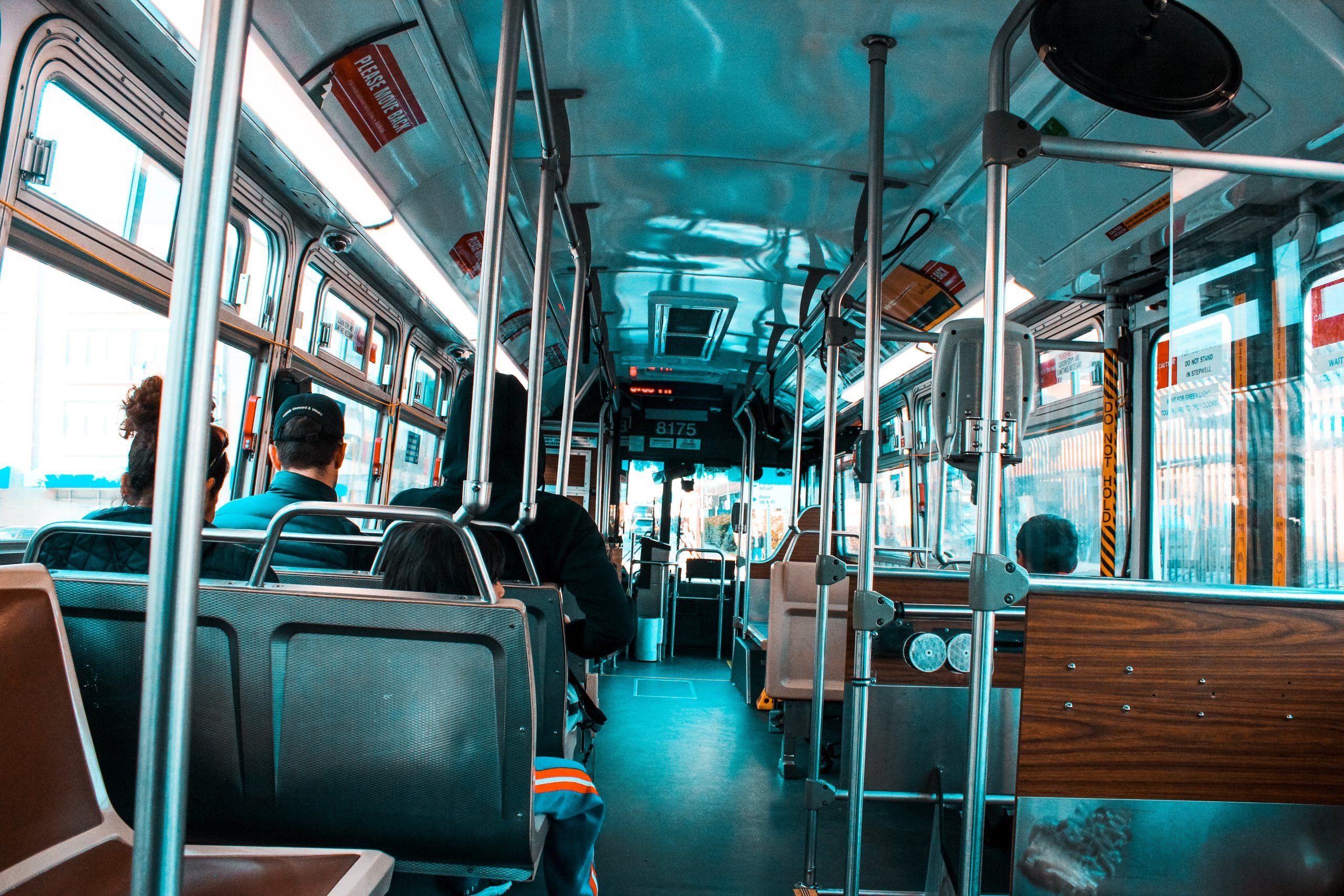
European Commission proposes tougher CO2 emission standards for trucks and buses |
Zero-emission target for urban buses
The proposed amendment introduces a 100% zero-emission target for urban buses by 2035, while setting an intermediate target of 85% for this category by 2030. The Council agreed to exempt inter-urban buses from this target.
In addition, the Council added a series of provisions to make the review clause more comprehensive, such as considering national investments already made and possible constraints due to specific territorial morphology or weather conditions in member states. Member states also clarified the provisions on public procurement procedures for zero-emission urban buses, in particular on the assessment criteria related to security of supply, to ensure legal soundness.
Review clause
The effectiveness and impact of the amended regulation on the abovementioned targets will be reviewed by the Commission in 2027, one year earlier than originally proposed by the Commission (Article 15). One of the issues the Commission will have to report on in its review is progress in the deployment of public and private recharging and refuelling infrastructure for alternative fuels for vehicles covered by this regulation.
In its review, the Commission will also have to produce an assessment of the role of a carbon correction factor (CCF) in the transition towards zero-emission mobility in the heavy-duty vehicle sector.
Next steps
The general approach will serve as the Council’s mandate for negotiations with the European Parliament on the final shape of the legislation. The outcome of the negotiations will have to be formally adopted by the Council and the Parliament.
More information: Council of the European Union
Publicaciones relacionadas:
 Third building block to enable safe VTOL operation and new air mobility in Europe
 How to develop sustainable and cost-efficient air mobility
 Car emissions: MEPs set end on gap between lab and real driving emission tests
 Driving hydrogen mobility forward in Europe
 Motorised transport: train, plane, road or boat — which is greenest?
Leave a Reply