

The Council has adopted new rules to combat pay discrimination and help close the gender pay gap in the EU.
Under the pay transparency directive, EU companies will be required to share information about how much they pay women and men for work of equal value, and take action if their gender pay gap exceeds 5%.
The new directive also includes provisions on compensation for victims of pay discrimination and penalties, including fines, for employers who break the rules.
Why pay transparency?
Women in the EU earn on average 13% less than their male counterparts, and the gender pay gap has largely stagnated over the last decade.
While a number of factors contribute to this difference, pay discrimination has been identified as one of the key obstacles to achieving gender pay equality.
Unequal pay puts women at greater risk of poverty and contributes to the EU’s pension pay gap, which in 2018 stood at around 30%.
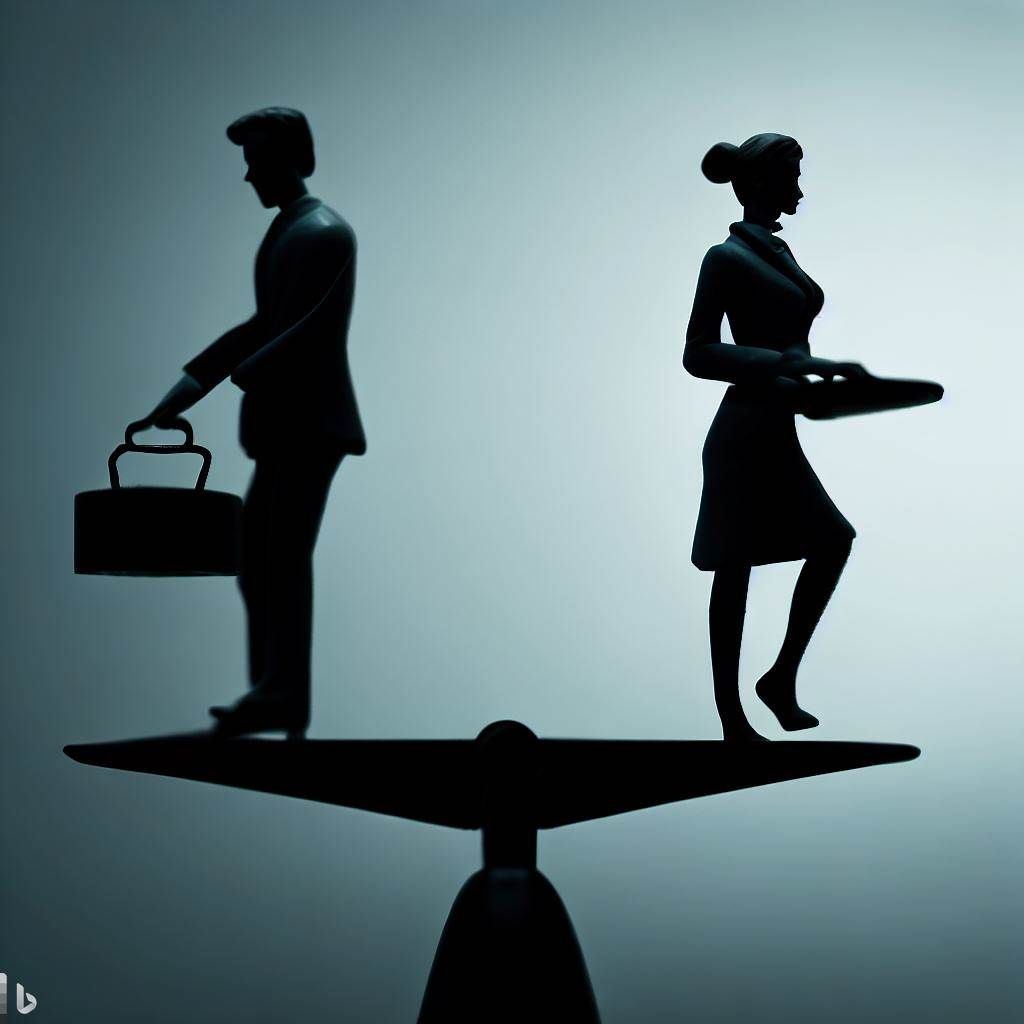
Parliament approves new transparency rules on the gender pay gap |
Accessing information
The new rules will make it compulsory for employers to inform job seekers about the starting salary or pay range of advertised positions, whether in the vacancy notice or ahead of the interview. Employers will also be prevented from asking candidates about their pay history.
Once in the role, workers will be entitled to ask their employers for information about average pay levels, broken down by sex, for categories of employees doing the same work or work of equal value. They will also have access to the criteria used to determine pay and career progression, which must be objective and gender neutral.
Reporting obligation
Companies with more than 250 employees will be required to report annually on the gender pay gap in their organisation to the relevant national authority. For smaller organisations (initially those with over 150 employees), the reporting obligation will take place every three years.
If the report reveals a pay gap of more than 5% that cannot be justified by objective, gender-neutral criteria, companies will be required to take action in the form of a joint pay assessment carried out in cooperation with workers’ representatives.
Access to justice
Under the new directive, workers who have suffered gender pay discrimination can receive compensation, including full recovery of back pay and related bonuses or payments in kind.
While the burden of proof in pay discrimination cases has traditionally fallen on the employee, it will now be up to the employer to prove that they have not violated EU rules on equal pay and pay transparency. Penalties for violations must be effective, proportionate and dissuasive and will include fines.
Broadening the scope
For the first time, intersectional discrimination (the combination of multiple forms of inequality or disadvantage, such as gender and ethnicity or sexuality) has been included in the scope of the new rules. The directive also contains provisions ensuring that the needs of workers with disabilities are taken into account.
More information
Publicaciones relacionadas:
 Council adopts its position on new rules for consumer credit
 Commission endorses Spain’s second payment request
 Council adopts conclusions on the 2022 macroeconomic imbalance procedure – Ecofin July 12, 2022
 EU budget for 2023: Council agrees its position
 Commission makes second 12 billion payment to Spain under the Recovery and Resilience Mechanism
Leave a Reply