• Skip to primary navigation
  • Skip to main content
  • Skip to primary sidebar
  • Skip to footer
  • Bluesky
  • Facebook
  • Instagram
  • Twitter
  • YouTube
CDE Almería – Centro de Documentación Europea – Universidad de Almería

CDE Almería - Centro de Documentación Europea - Universidad de Almería

Centro de Documentación Europea de la Universidad de Almería

  • HOME
  • WHAT´S ON
    • EU NEWS
    • Activities
    • EU Calls and Awards
    • Radio Program «Europe with You»
  • DOCUMENTATION
    • EU Media Collection
      • Web Space
      • MEDIATHEQUE REPOSITORY
  • Europe on the net
    • Institutions
    • EU Representation in Spain
    • European information network of Andalusia
  • ABOUT US
    • Presentation
    • Services
    • People
    • Contact
  • Spanish
  • English

Commission steps up protection of children from unsafe toys

Inicio » Noticias UE » Mercado » International Trade » Commission steps up protection of children from unsafe toys

31 de July de 2023

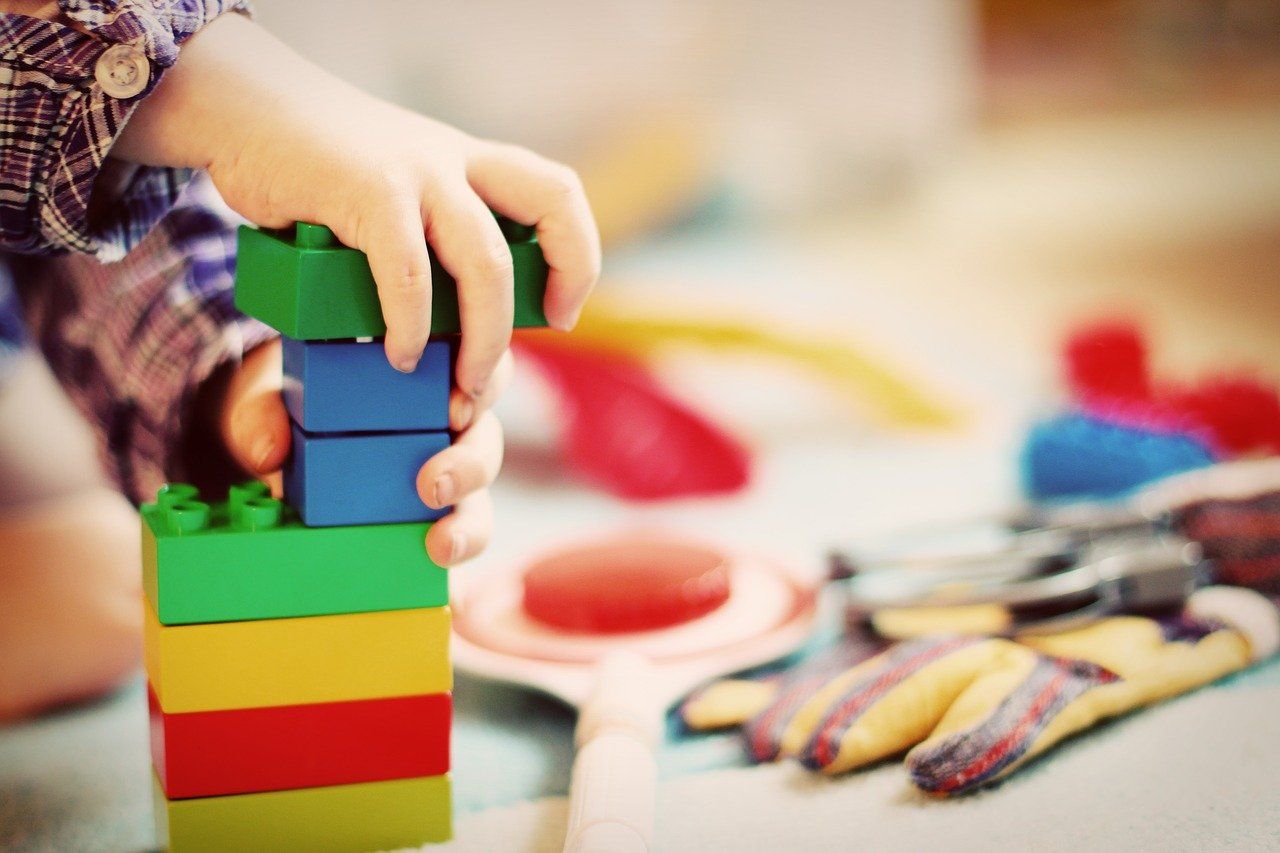
The Commission proposed a Toy Safety Regulation revising the current rules to protect children from potential risks in toys. Toys put on the EU market are already among the safest ones in the world. The proposed rules will further improve this protection, in particular from harmful chemicals.
jueguetes

They also aim at reducing the high number of unsafe toys that are still sold in the EU, especially online, increasing the level playing field between toys manufactured in the EU and imported ones. At the same time, they will continue to ensure the free movement of toys within the Single Market.

Building on the existing rules, this proposal updates the safety requirements that toys must meet to be marketed in the EU, whether they are manufactured in the EU or elsewhere. More specifically, today’s proposal will:

  • Increase protection from harmful chemicals: The proposal not only maintains the current prohibition of substances that are carcinogenic, mutagenic or toxic for reproduction (CMRs), but it also prohibits the use of other harmful chemicals in toys. The proposal targets chemicals that are particularly harmful for children. For instance, it will prohibit the use in toys of chemicals that affect the endocrine system (endocrine disruptors), and chemicals affecting the respiratory system or are toxic to a specific organ.

How to recognise fake and hazardous toys

  • Strengthen enforcement: The proposal ensures that only safe toys will be sold in the EU. All toys will be required to have a Digital Product Passport, which will include information on compliance with the proposed Regulation. Importers will have to submit digital product passports for all toys at the EU borders, including for those sold online. A new IT system will screen all digital product passports at the external borders and will identify the shipments that need detailed controls at customs. National inspectors will continue to be responsible for carrying out checks on toys. In addition, if there are unsafe toys presenting risks not clearly foreseen by the Regulation, the proposal ensures that the Commission has the power to require that these toys are taken off the market.

More information: European Commission

Publicaciones relacionadas:

E-commerce: Council adopts new rules for exchange of VAT payment data Webinar “New situation, new opportunities in Europe New VAT rules for e-commerce in the EU 23 May 2022: Macroeconomic dialogue with the social partners Cryptocurrency dangers and the benefits of EU legislation

Economy and Finance,  EU News,  International Trade,  Market Children,  Comision Europea,  Toy Safety Regulation,  toys

“This is a space for debate. All comments, for or against publication, that are respectful and do not contain expressions that are discriminatory, defamatory or contrary to current legislation will be published”.

Reader Interactions

Leave a Reply Cancel reply

Your email address will not be published. Required fields are marked *

This site uses Akismet to reduce spam. Learn how your comment data is processed.

Primary Sidebar

Footer

  • CDE Almería
  • Biblioteca Nicolás Salmerón – Universidad de Almería
  • Planta: 1ª, Despacho: 1.05.0B.
  • Ctra. Sacramento s/n. Almería (Spain)
  • Teléfono: (+34) 950 015266

HOME
NEWS
DOCUMENTATION
EUROPE ON THE NET
ABOUT US

  • LEGAL NOTICE
  • PRIVACY POLICY
  • COOKIE POLICY
  • ACCESSIBILITY
  • SITEMAP

Copyright © 2026 CDE Almería · Creative Commons LicenseThis work is licensed under a Creative Commons Attribution-NonCommercial 4.0 International License.

<p>El Centro de Documentación Europea de la Universidad de Almería utiliza cookies propias y de terceros para facilitar al usuario la navegación en su página Web y el acceso a los distintos contenidos alojados en la misma. Asimismo, se utilizan cookies analíticas de terceros para medir la interacción de los usuarios con el sitio Web. Pinche el siguiente enlace si desea información sobre el uso de cookies y como deshabilitarlas. </p>

Politica de privacidad

El Centro de Documentación Europea de la Universidad de Almería utiliza cookies propias y de terceros para facilitar al usuario la navegación en su página Web y el acceso a los distintos contenidos alojados en la misma. Asimismo, se utilizan cookies analíticas de terceros para medir la interacción de los usuarios con el sitio Web. Pinche el siguiente enlace si desea información sobre el uso de cookies y como deshabilitarlas. <a href="/politica-de-cookies" rel="noopener" target="_blank">Más información</a>

Cookies estrictamente necesarias

Las cookies estrictamente necesarias tiene que activarse siempre para que podamos guardar tus preferencias de ajustes de cookies.

Básicamente la web no funcionara bien si no las activas.

Estas cookies son:

  • Comprobación de inicio de sesión.
  • Cookies de seguridad.
  • Aceptación/rechazo previo de cookies.
Cookies de terceros

Esta web utiliza Google Analytics, Google Tag Manager y Yandex Metrika para recopilar información anónima tal como el número de visitantes del sitio, o las páginas más populares.

Dejar estas cookies activas nos permite mejorar nuestra web.

Política de cookies

Pinche el siguiente enlace si desea información sobre el uso de cookies y como deshabilitarlas. Más información