
Achieving the recently agreed EU target of at least 42.5% renewable energy by 2030, with an ambition to reach 45% renewables, will require a massive increase in wind installed capacity with an expected growth from 204 GW in 2022 to more than 500 GW in 2030.
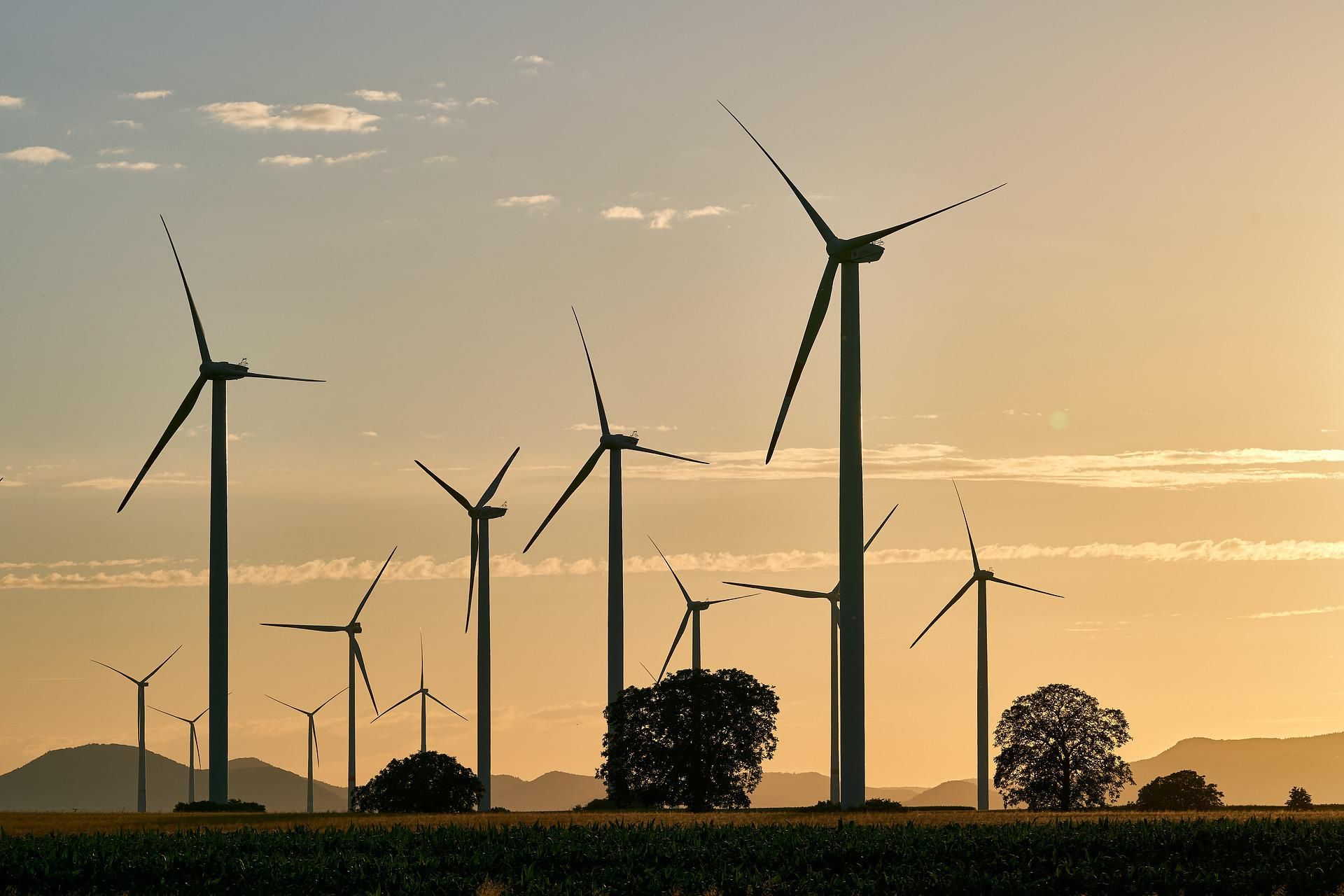
While the wind power sector is a historical EU success story, its future growth path is faced with a unique set of challenges including insufficient and uncertain demand, slow and complex permitting, lack of access to raw materials, high inflation and commodity prices, unsupportive design of national tenders, increased pressure from international competitors and risks on availability of a skilled workforce.
This situation requires immediate action. This is why, as announced by President von der Leyen in her State of the Union speech last month, the European Commission is today presenting a European Wind Power Action Plan to ensure that the clean energy transition goes hand-in-hand with industrial competitiveness and that wind power continues to be a European success story.
The Action Plan will help to maintain a healthy and competitive wind energy supply chain, with a clear and secure pipeline of projects, attracting the necessary financing and competing on a level playing field globally. It is accompanied by a Communication on delivering on the EU’s offshore energy ambition, including wind power, following up on the EU Offshore Renewable Energy Strategy adopted three years ago.
A common European response to tackle a unique mix of challenges
The Action Plan sets out immediate actions to be taken together by the Commission, the Member States and the industry; building on existing policies and legislation and focusing on six main areas:
- Acceleration of deployment through increased predictability and faster permitting. A record 16 GW of wind power installations were added in 2022, that is a 47% increase compared to 2021. This is however well below the 37 GW/year required to achieve the EU 2030 target for renewable energy. The Commission is launching the “Accele-RES” initiative with Member States to ensure swift implementation of the revised EU renewable energy rules, putting more focus on the digitalisation of permitting processes and technical assistance to Member States. In addition, Member States are encouraged to enhance the visibility of the project pipeline through wind pledges, transparent auction schedules, and long-term planning. Finally, the Commission will support the necessary build-out of electricity grids with a Grids Action Plan later this year.
- Improved auction design. Building on the proposed Net-Zero Industry Act and the reform of the Electricity Market Design, the Commission will support Member States in improving auctions with well-designed and objective criteria which reward higher value-added equipment and ensure that projects are realised fully and on time. Beyond the EU, Global Gateway projects will increase their use of strategic procurement standards. The Action Plan also foresees a cybersecurity risk assessment.
- Access to finance. To speed up investment and financing for wind energy manufacturing in Europe, the Commission will facilitate access to EU financing, notably through the Innovation Fund, while the European Investment Bank (EIB) will make de-risking guarantees available. The Commission also encourages Member States to make full use of the flexibility provided by the amended Temporary State aid Crisis and Transition Framework to support wind manufacturing in the EU.
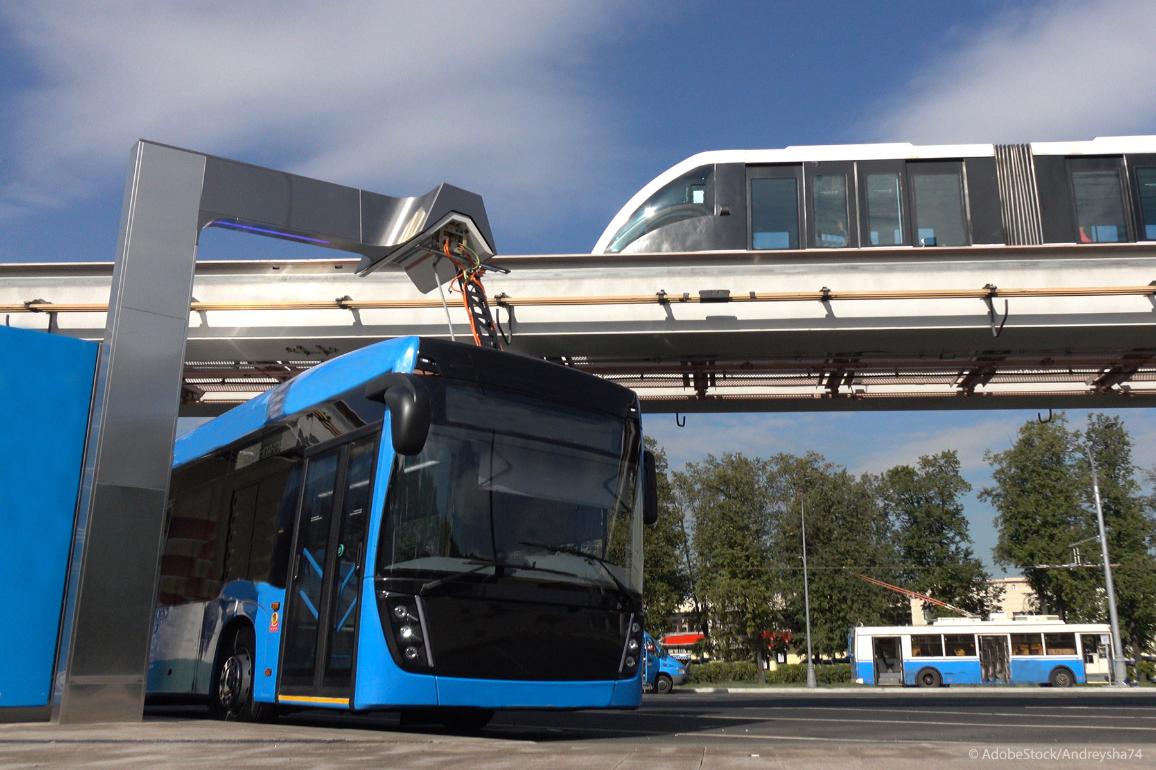
What is the EU doing to promote the development of renewable energy? |
- A fair and competitive international environment. To ensure that the wind sector can operate on a level playing field, the Commission closely monitors possible unfair trade practices which benefit foreign wind manufacturers and will continue to use trade agreements to facilitate access to foreign markets, while promoting the adoption of EU and international standards for the sector. The Commission will also engage with investors to identify and address obstacles to investment.
- Skills. Large-Scale Skills Partnerships for Renewable Energy will be a key forum to develop skills development projects. With the Net-Zero Industry Act, the Commission will also facilitate the launch of European net-zero industry skills academies – including one dedicated to the wind sector, designed to support Member States actions to upskill and reskill workers. The academies will develop learning content and materials and will aim to train 100.000 learners within three years of establishment.
- Industry engagement and Member States commitments. The Commission will work with Member States and the wind industry on an EU Wind Charter to improve the enabling conditions for the European wind industry to remain competitive.
A new vision for the accelerated deployment of offshore wind
Offshore wind is expected to make a significant contribution to the EU’s climate and energy goals in the years ahead. Building on the Offshore Renewable Energy Strategy from 2020, Member States recently agreed on ambitious new goals for offshore renewable energy generation by 2050, with intermediate goals for 2030 and 2040 for each of the EU’s five sea basins.
In 2022, the cumulative EU-27 offshore installed capacity amounted to 16.3 GW. This means that to bridge the gap between the 111 GW committed by the Member States and the 2022 capacity, we must install almost 12 GW/year on average – that is 10 times more than the new 1.2 GW installed last year.
This is why the Commission is doubling down on its efforts to support the offshore renewables sector specifically, setting out additional actions to: strengthen grid infrastructure and regional cooperation, accelerate permitting, ensure integrated Maritime Spatial Planning, strengthen resilience of infrastructure, sustain research and innovation, and develop supply chains and skills.
Background
Renewables are a key component of the EU’s plan to reach climate neutrality by 2050 under the European Green Deal, as well as of the REPowerEU Plan to regain energy independence and end imports of Russian fossil fuels as soon as possible. The EU has set legislative targets for an accelerated roll-out of renewable energy through the revised Renewable Energy Directive under the Fit for 55 legislative package, and facilitates this through the revised TEN-E Regulation strengthening the framework for cross-border projects including offshore grids. In the transition to a net-zero economy, the EU’s competitiveness will strongly rely on its capacity to develop and manufacture at home the clean technologies that make this transition possible, including onshore and offshore wind. Earlier this year, the Commission presented the Green Deal Industrial Plan and notably proposed the Net-Zero Industry Act and the Critical Raw Materials Act to support the domestic manufacturing capacity of net-zero technologies.
More information: European Commission
Publicaciones relacionadas:
 JRC launches new tool to explore the future of European energy
 Simpler EU energy labels for lighting products
 Commission’s emergency measures to improve energy markets
 EU and Azerbaijan enhance bilateral relations, including energy cooperation
 SOTEU 2022: Commission proposes emergency market intervention to reduce bills for Europeans
Leave a Reply