• Skip to primary navigation
  • Skip to main content
  • Skip to primary sidebar
  • Skip to footer
  • Bluesky
  • Facebook
  • Instagram
  • Twitter
  • YouTube
CDE Almería – Centro de Documentación Europea – Universidad de Almería

CDE Almería - Centro de Documentación Europea - Universidad de Almería

Centro de Documentación Europea de la Universidad de Almería

  • HOME
  • WHAT´S ON
    • EU NEWS
    • Activities
    • EU Calls and Awards
    • Radio Program «Europe with You»
  • DOCUMENTATION
    • EU Media Collection
      • Web Space
      • MEDIATHEQUE REPOSITORY
  • Europe on the net
    • Institutions
    • EU Representation in Spain
    • European information network of Andalusia
  • ABOUT US
    • Presentation
    • Services
    • People
    • Contact
  • Spanish
  • English

Commission sends requests for information to TikTok and YouTube under the Digital Services Act

Inicio » EU News » Defence & Security » Cybersecurity » Commission sends requests for information to TikTok and YouTube under the Digital Services Act

10 de November de 2023

Yesterday, the European Commission has formally sent TikTok and YouTube requests for information under the Digital Services Act (DSA).
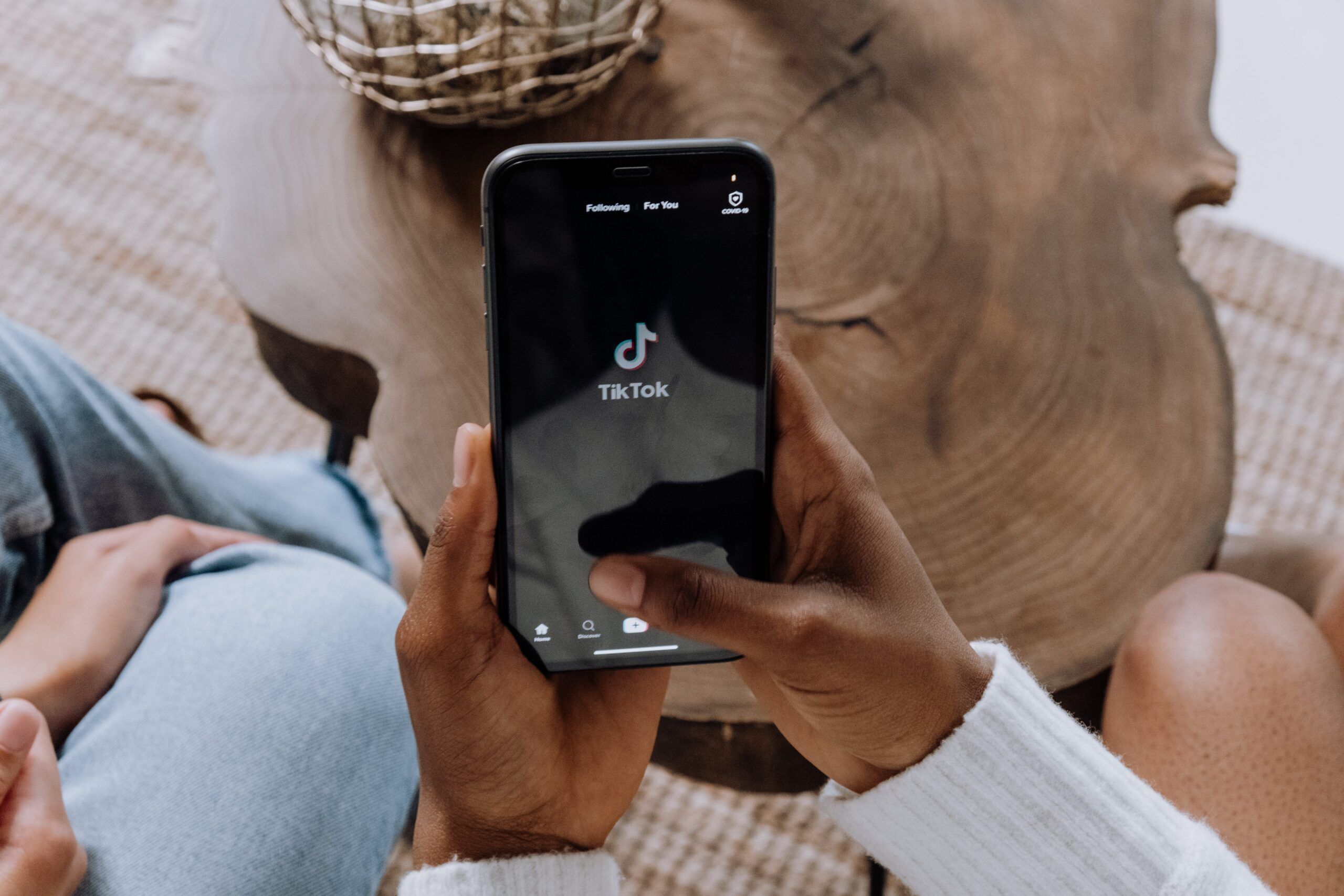
The Commission is requesting the companies to provide more information on the measures they have taken to comply with their obligations related to protection of minors under the DSA, including the obligations related to risk assessments and mitigation measures to protect minors online, in particular with regard to the risks to mental health and physical health, and on the use of their services by minors.

TikTok and YouTube must provide the requested information to the Commission by 30 November 2023. Based on the assessment of the replies, the Commission will assess next steps. This could entail the formal opening of proceedings pursuant to Article 66 of the DSA.

Pursuant to Article 74 (2) of the DSA, the Commission can impose fines for incorrect, incomplete, or misleading information in response to a request for information. In case of failure to reply, the Commission may decide to request the information by decision. In this case, failure to reply by the deadline could lead to the imposition of periodic penalty payments.

TikTok improves its platform to better protect consumers

Following their designation as Very Large Online Platforms, TikTok and YouTube are required to comply with the full set of provisions introduced by the DSA, including the assessment and mitigation of risks related to the dissemination of illegal and harmful content, any negative effects on the exercise of fundamental rights, including on children’s rights, and on the protection of minors. TikTok has already received on 19 October 2023 a request for information concerning the spreading of terrorist and violent content and hate speech, the alleged spread of disinformation and general aspects concerning the protection of minors online.

SOURCE: PRESS RELEASE – EUROPEAN COMMISSION

Publicaciones relacionadas:

semiconductorThe European Commission recommends carrying out a risk assessment of 4 critical technology areas: advanced semiconductors, AI, quantum and biotechnologies Deal on digitalisation of access to justice will benefit citizens Statistics: ICT usage in Europe in 2020 auto sentenciaEU and Airbus Member States take action to ensure full compliance in the WTO aircraft dispute Campo de fútbolHow to put an end to piracy in sports broadcasting




Cybersecurity,  EU News,  Law,  Market,  Research and Innovation,  Technology Digital Services Act,  DSA,  European Commission,  requests for information,  TikTok,  YouTube

“This is a space for debate. All comments, for or against publication, that are respectful and do not contain expressions that are discriminatory, defamatory or contrary to current legislation will be published”.

Reader Interactions

Leave a Reply Cancel reply

Your email address will not be published. Required fields are marked *

This site uses Akismet to reduce spam. Learn how your comment data is processed.

Primary Sidebar

Footer

  • CDE Almería
  • Biblioteca Nicolás Salmerón – Universidad de Almería
  • Planta: 1ª, Despacho: 1.05.0B.
  • Ctra. Sacramento s/n. Almería (Spain)
  • Teléfono: (+34) 950 015266

HOME
NEWS
DOCUMENTATION
EUROPE ON THE NET
ABOUT US

  • LEGAL NOTICE
  • PRIVACY POLICY
  • COOKIE POLICY
  • ACCESSIBILITY
  • SITEMAP

Copyright © 2026 CDE Almería · Creative Commons LicenseThis work is licensed under a Creative Commons Attribution-NonCommercial 4.0 International License.

<p>El Centro de Documentación Europea de la Universidad de Almería utiliza cookies propias y de terceros para facilitar al usuario la navegación en su página Web y el acceso a los distintos contenidos alojados en la misma. Asimismo, se utilizan cookies analíticas de terceros para medir la interacción de los usuarios con el sitio Web. Pinche el siguiente enlace si desea información sobre el uso de cookies y como deshabilitarlas. </p>

Politica de privacidad

El Centro de Documentación Europea de la Universidad de Almería utiliza cookies propias y de terceros para facilitar al usuario la navegación en su página Web y el acceso a los distintos contenidos alojados en la misma. Asimismo, se utilizan cookies analíticas de terceros para medir la interacción de los usuarios con el sitio Web. Pinche el siguiente enlace si desea información sobre el uso de cookies y como deshabilitarlas. <a href="/politica-de-cookies" rel="noopener" target="_blank">Más información</a>

Cookies estrictamente necesarias

Las cookies estrictamente necesarias tiene que activarse siempre para que podamos guardar tus preferencias de ajustes de cookies.

Básicamente la web no funcionara bien si no las activas.

Estas cookies son:

  • Comprobación de inicio de sesión.
  • Cookies de seguridad.
  • Aceptación/rechazo previo de cookies.
Cookies de terceros

Esta web utiliza Google Analytics, Google Tag Manager y Yandex Metrika para recopilar información anónima tal como el número de visitantes del sitio, o las páginas más populares.

Dejar estas cookies activas nos permite mejorar nuestra web.

Política de cookies

Pinche el siguiente enlace si desea información sobre el uso de cookies y como deshabilitarlas. Más información