• Skip to primary navigation
  • Skip to main content
  • Skip to primary sidebar
  • Skip to footer
  • Bluesky
  • Facebook
  • Instagram
  • Twitter
  • YouTube
CDE Almería – Centro de Documentación Europea – Universidad de Almería

CDE Almería - Centro de Documentación Europea - Universidad de Almería

Centro de Documentación Europea de la Universidad de Almería

  • HOME
  • WHAT´S ON
    • EU NEWS
    • Activities
    • EU Calls and Awards
    • Radio Program «Europe with You»
  • DOCUMENTATION
    • EU Media Collection
      • Web Space
      • MEDIATHEQUE REPOSITORY
  • Europe on the net
    • Institutions
    • EU Representation in Spain
    • European information network of Andalusia
  • ABOUT US
    • Presentation
    • Services
    • People
    • Contact
  • Spanish
  • English

Commission imposes provisional countervailing duties on imports of battery electric vehicles from China while discussions with China continue

Inicio » EU News » Institutional Affairs » International Politics and Cooperation » Commission imposes provisional countervailing duties on imports of battery electric vehicles from China while discussions with China continue

9 de July de 2024

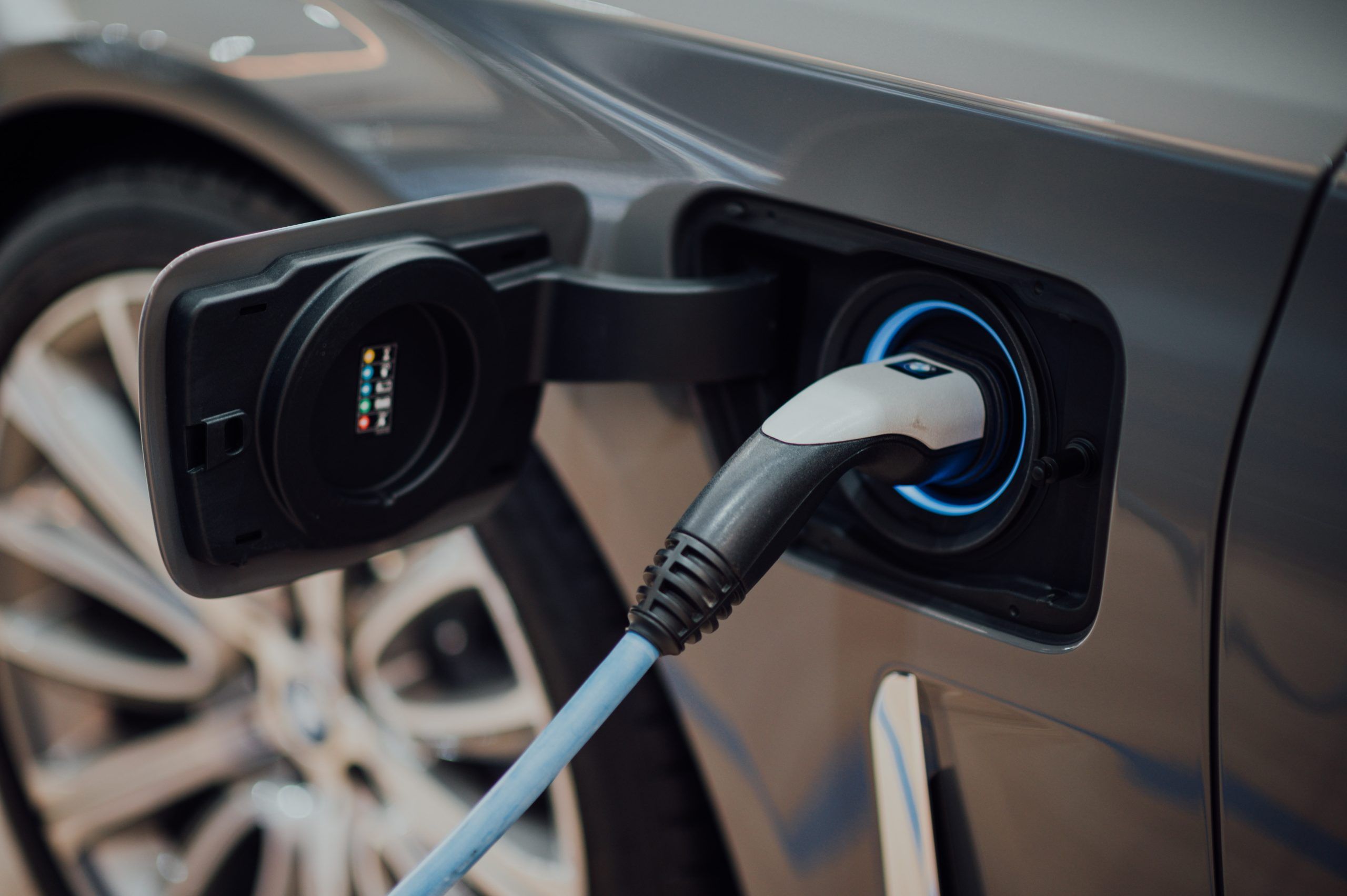
Nine months after the initiation of an ex officio anti-subsidy investigation, the European Commission has imposed provisional countervailing duties on imports of battery electric vehicles (BEVs) from China. Based on the investigation, the Commission has concluded that the BEV value chain in China benefits from unfair subsidisation, which is causing a threat of economic injury to EU BEV producers. The investigation has also examined the likely consequences and impact of these measures on importers, users and consumers of BEVs in the EU.
coche eléctrico

Consultations with the Chinese government have intensified in recent weeks, following an exchange of views between Executive Vice-President Valdis Dombrovskis and Chinese Trade Minister Wang Wentao. Contacts continue at technical level with a view to reaching a WTO-compatible solution, which adequately addresses the concerns raised by the European Union. Any negotiated outcome to the investigation must be effective in addressing the injurious forms of subsidisation identified.

The individual duties applying to the three sampled Chinese producers are:

  • BYD: 17.4%;
  • Geely: 19.9%;
  • SAIC: 37.6%.

Other BEV producers in China, which cooperated in the investigation but were not sampled, are subject to the 20.8% weighted average duty. The duty for other non-cooperating companies is 37.6%.

Compared to the rates pre-disclosed on 12 June 2024, provisional duties were adjusted slightly downwards based on comments on the accuracy of the calculations submitted by interested parties. All the detailed findings of the investigation are reflected in the Implementing Regulation which is now published in the Official Journal.

These provisional duties will apply as of 5 July 2024, for a maximum duration of four months. Within that timeframe, a final decision must be taken on definitive duties, through a vote by EU Member States. When adopted, this decision would make the duties definitive for a period of five years.

Procedure and next steps

On 4 October 2023, the Commission formally initiated an ex-officio anti-subsidy investigation on imports of battery electric vehicles for passengers originating in China. Such an investigation must be concluded within maximum 13 months of initiation. Definitive measures must be imposed no later than 4 months after imposition of provisional duties. Provisional countervailing duties are secured by a guarantee (in the form to be decided by customs in each Member State), and may be collected under certain circumstances only when a decision has been made to impose definitive duties.
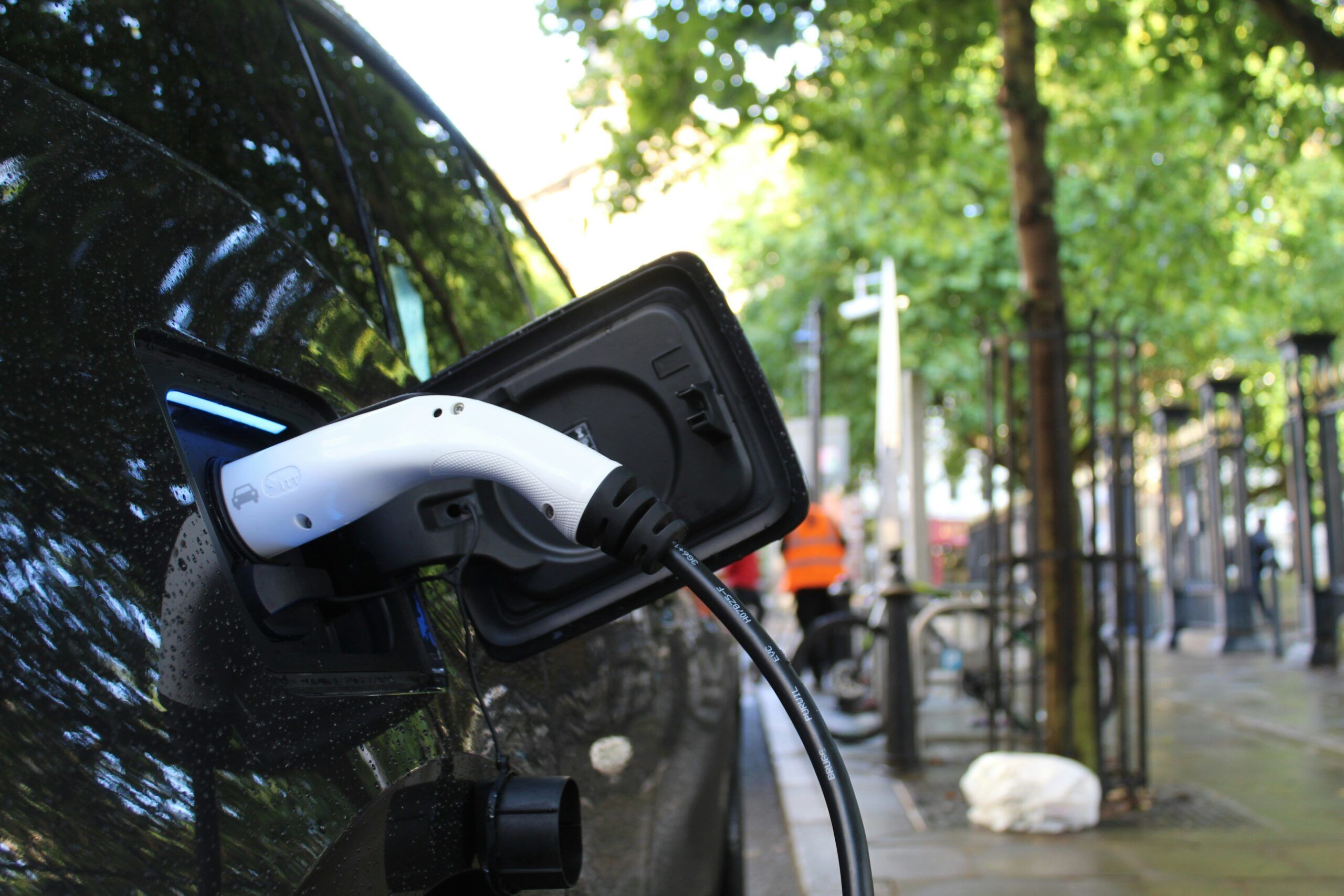
Commission investigation provisionally concludes that electric vehicle value chains in China benefit from unfair subsidies

Following the ordinary trade defence procedure, Member States will now vote on provisional measures, by written procedure and by simple majority, no later than 14 days after publication of the provisional measures in the Official Journal. This vote will follow the so-called advisory procedure, under comitology rules (no legally binding effect).

Interested parties also have the possibility to request hearings with the Commission services within 5 days from entry into force of provisional measures, and to provide comments within 15 days from entry into force. After that, having taken into account the comments by interested parties, the Commission will disclose its proposal for definitive measures, if any, and allow adequate time (10 days) for interested parties to comment.

The Commission will then present the final determination to Member States, which will vote pursuant to the examination procedure under comitology rules (Commission proposal adopted unless there is qualified majority against it). This vote will have binding effect. Any potential measures will be in force for 5 years, extendable upon substantiated request and subsequent review.

Following a substantiated request, one BEV producer in China – Tesla – may receive an individually calculated duty rate at the definitive stage. Any other company producing in China not selected in the final sample that wishes to have its particular situation investigated can ask for an accelerated review, in line with the basic anti-subsidy Regulation, just after imposition of definitive measures. The deadline for concluding such a review is 9 months since its request.

Background

The investigation was announced by Ursula von der Leyen, President of the European Commission, on 13 September 2023 during her State of the European Union (SOTEU) speech. This decision was based on growing evidence-based concerns about the recent and rapid rise in low-priced exports of electric vehicles coming from China to the EU. The Commission is following strict legal procedures in line with EU and WTO rules, allowing all parties concerned, including the Chinese government and companies/exporters, to present their comments, evidence and arguments.

More Information: European Commission

More information is available on the Commission’s Trade website, in the public register under case number AS689

Implementing regulation

EU Trade Defence Policy

Publicaciones relacionadas:

app rastreo europaCommission starts testing interoperability gateway service for national contact tracing and warning apps EU must tackle inequality 5 ways the EU Space Programme makes urban mobility more sustainable A global approach to research and innovation How do Europeans feel about self-driving cars?

EU News,  International Politics and Cooperation,  Research and Innovation,  Technology,  Transport China,  electric vehicles,  European Commission

“This is a space for debate. All comments, for or against publication, that are respectful and do not contain expressions that are discriminatory, defamatory or contrary to current legislation will be published”.

Reader Interactions

Leave a Reply Cancel reply

Your email address will not be published. Required fields are marked *

This site uses Akismet to reduce spam. Learn how your comment data is processed.

Primary Sidebar

Footer

  • CDE Almería
  • Biblioteca Nicolás Salmerón – Universidad de Almería
  • Planta: 1ª, Despacho: 1.05.0B.
  • Ctra. Sacramento s/n. Almería (Spain)
  • Teléfono: (+34) 950 015266

HOME
NEWS
DOCUMENTATION
EUROPE ON THE NET
ABOUT US

  • LEGAL NOTICE
  • PRIVACY POLICY
  • COOKIE POLICY
  • ACCESSIBILITY
  • SITEMAP

Copyright © 2026 CDE Almería · Creative Commons LicenseThis work is licensed under a Creative Commons Attribution-NonCommercial 4.0 International License.

<p>El Centro de Documentación Europea de la Universidad de Almería utiliza cookies propias y de terceros para facilitar al usuario la navegación en su página Web y el acceso a los distintos contenidos alojados en la misma. Asimismo, se utilizan cookies analíticas de terceros para medir la interacción de los usuarios con el sitio Web. Pinche el siguiente enlace si desea información sobre el uso de cookies y como deshabilitarlas. </p>

Politica de privacidad

El Centro de Documentación Europea de la Universidad de Almería utiliza cookies propias y de terceros para facilitar al usuario la navegación en su página Web y el acceso a los distintos contenidos alojados en la misma. Asimismo, se utilizan cookies analíticas de terceros para medir la interacción de los usuarios con el sitio Web. Pinche el siguiente enlace si desea información sobre el uso de cookies y como deshabilitarlas. <a href="/politica-de-cookies" rel="noopener" target="_blank">Más información</a>

Cookies estrictamente necesarias

Las cookies estrictamente necesarias tiene que activarse siempre para que podamos guardar tus preferencias de ajustes de cookies.

Básicamente la web no funcionara bien si no las activas.

Estas cookies son:

  • Comprobación de inicio de sesión.
  • Cookies de seguridad.
  • Aceptación/rechazo previo de cookies.
Cookies de terceros

Esta web utiliza Google Analytics, Google Tag Manager y Yandex Metrika para recopilar información anónima tal como el número de visitantes del sitio, o las páginas más populares.

Dejar estas cookies activas nos permite mejorar nuestra web.

Política de cookies

Pinche el siguiente enlace si desea información sobre el uso de cookies y como deshabilitarlas. Más información