
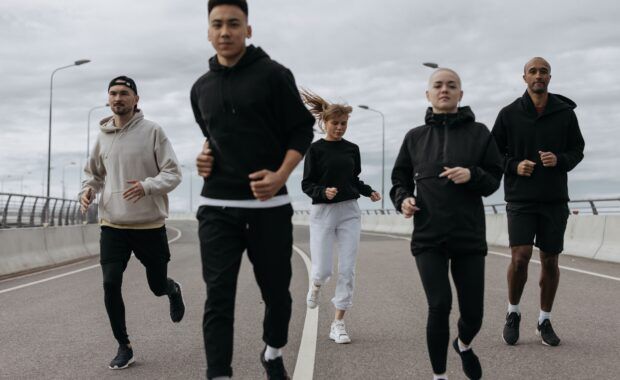
In the run-up to European Week of Sport 2026, the European Commission published the sixth Eurobarometer survey on sport and physical activity. The survey shows an increase in levels of physical activity across the European Union compared with the last survey published in 2022. For example, the proportion of citizens who exercise several times a […]
Read More
The EU’s customs reform heralds a new era for customs in Europe
The EU customs reform has come into force, marking the start of a better, smarter and simpler customs system across the EU. Following its formal adoption by the Council of the European Union and the European Parliament, the reform was published in the Official Journal on 19 September and will be phased in from 21 […]
Read More
Substantial agreement reached on the EU–Philippines trade agreement
The EU and the Philippines have reached a substantial agreement in their negotiations for a Free Trade Agreement (FTA), which is intended to strengthen economic ties between the EU and another fast-growing strategic partner in South-East Asia. Maros Šefčovič, Commissioner for Trade and Economic Security, and Maria Cristina Aldeguer-Roque, the Philippines’ Secretary of Trade and […]
Read More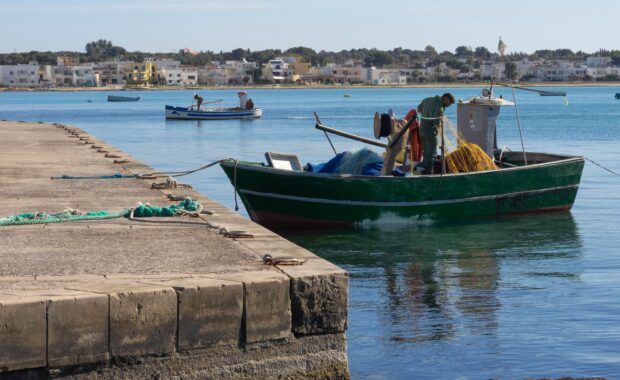
The European Commission proposes to simplify funding for fisheries and aquaculture
The European Commission has proposed a specific amendment to the Regulation on the European Maritime, Fisheries and Aquaculture Fund (EMFAF) to facilitate access to funding for fishermen and aquaculture producers across the EU. The changes are designed to cut red tape, support the sector’s energy transition and strengthen the resilience of coastal communities. The proposal […]
Read More
The EU KIDS ACT will restrict children’s access to social media platforms in the EU
The European Commission has adopted the EU KIDS ACT to improve the online safety of children across the Union. The proposal prohibits social media platforms from allowing access to children under the age of 13 and sets an EU-wide minimum age of 15 for children to open their own accounts, thereby ensuring a phased approach. […]
Read More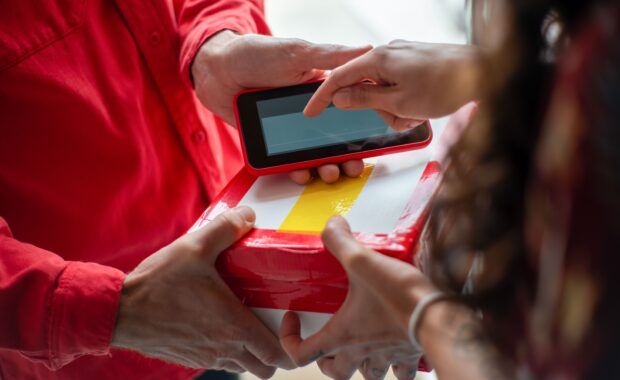
New EU rules on e-commerce and customs controls
Parliament has given the green light to a wide-ranging reform of the European Customs Code, which imposes stricter rules on e-commerce and establishes a new customs authority. The regulations include an administration fee for each product purchased from retailers outside the EU and sent directly to European consumers, which will serve to cover the costs […]
Read More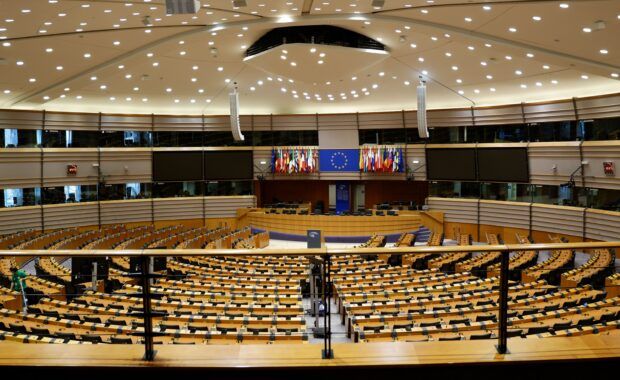
Debate on the State of the EU: the economy, security, climate change, AI and social media
MEPs discussed the Commission’s work over the past year and the most pressing challenges with President von der Leyen during the annual State of the European Union debate. At the start of the debate, the President of the European Parliament, Roberta Metsola, said: ‘Our Union has always moved forward because there were people willing to […]
Read More
Parliament wants a stronger response from the EU to hybrid threats
MEPs have warned of an increase in hybrid attacks against the EU, with Russia and its allies being the main culprits. In a report adopted on Wednesday, Parliament states that the security environment facing the Union is neither a state of peace nor an open armed conflict, and describes hybrid operations as deliberate, combined, intelligence-driven […]
Read More
The Commission proposes ambitious measures to strengthen fair labour mobility
The European Commission adopted the Fair Labour Mobility package to guarantee clear social rights for everyone, everywhere in the EU, regardless of where they choose to live and work. The package will enable workers to prove and claim their social security and health insurance rights, and have their qualifications understood everywhere in the EU and formally recognised where the […]
Read More