
Teams from two EU-funded projects met to foster collaboration, share progress and address common challenges in the advancement of bioremediation. Their aim is to fight environmental pollution.
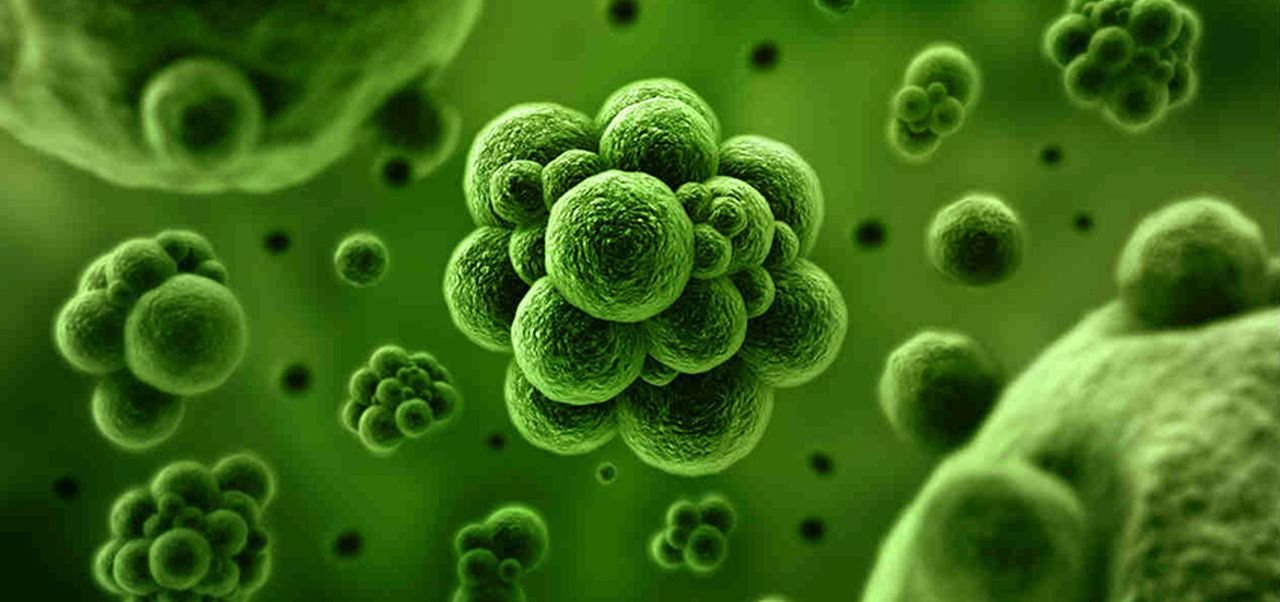
The EU-funded BIOSYSMO and MIBIREM project teams have a common goal: to sustainably remediate polluted environments using microbes. On 19-20 March 2025, the partners of the two projects held a joint meeting to look for ways to collaborate in advancing bioremediation as an autonomous solution to environmental pollution.
During the event, researchers from BIOSYSMO and MIBIREM presented case studies, emerging technologies and integration strategies. Presentations focused on the development and application of advanced microbial consortia – communities of two or more bacterial or microbial groups living in symbiosis – as well as on multi-omics methods and systems biology as a way to achieve more predictable and robust microbial remediation. Emphasis was also placed on joint efforts to design decision support systems, boost stakeholder involvement and align bioremediation practices with EU-wide policy frameworks.
According to the press release published on the BIOSYSMO website: “One of the main conclusions was the importance of advancing the development of digital tools. In this respect, BIOSYSMO focuses on computational design and systems-level modelling of microbial solutions, while MIBIREM is oriented towards field application and site-specific optimisation. Together, these strengths provide a basis for the joint development of decision support systems that integrate biological, chemical and environmental data. A shared repository for microbial consortia and multi-omics data was also explored as a way to support standardisation, ensure reproducibility and improve interoperability between datasets and models.
In a session dedicated to field studies, researchers discussed the importance of testing microbial strategies under realistic conditions. Updates on the state of field testing, technology readiness and challenges related to scalability, heterogeneity and engineering constraints were presented.
A shared case study
The second day of the event was devoted to the hexachlorocyclohexane (HCH) case study, on which the two projects collaborate. “The session showcased a coordinated effort to investigate degradation pathways and assess microbial performance across contaminated sites in Spain, Italy and Germany”.
Information was shared on experimental work being carried out in Sabiñánigo, an industrial site in Spain with well-documented HCH contamination. The work focuses on microbial selection, community stability and performance assessment under site-specific conditions. Complementary work being carried out at HCH-affected sites in Italy and Germany was also described.
Topics discussed included yield losses after cryopreservation, the promise of immobilisation techniques, and the possibility of integrating genomic and culturomics data to design more efficient microbial consortia. The regulatory challenges faced by both projects were also highlighted, as well as the need to standardise quantitative PCR primer sets, harmonise monitoring protocols and strengthen the dialogue between science and policy.
The meeting highlighted the mutual benefits that both BIOSYSMO (BIOremediation systems exploiting SYnergieS for improved removal of Mixed pOllutants) and MIBIREM (MIBIREM – Toolbox for Microbiome based Remediation) can achieve through continued integration. “The two project teams expressed their commitment to long-term cooperation in data exchange, tool development and regulatory harmonisation, which will lay the foundation for positioning microbiome-based bioremediation as a credible and modulable solution within the European environmental policy framework,” the press release said.
More information: European Commission.
Publicaciones relacionadas:
 Your opinion counts! Participate in the consultation on the zero net emissions industry law
 EU Commission Launches Ocean Pact to Safeguard Marine Life and Boost the Blue Economy
 Complex network of European and global developments impacts sustainability
 New plan to support green and digital transition and EU recovery
 World’s glaciers melting faster this century
Leave a Reply