
Molecular biologist and European Research Council grantee Wolfgang Baumeister was awarded the Shaw Prize at a press conference held in Hong Kong on 27 May 2025. Director Emeritus and scientific member of the Max Planck Institute of Biochemistry in Germany, Baumeister received this honour for his trailblazing work on the advancement of cryogenic-electron tomography (cryo-ET). The technology is enabling better insight into how viruses attack the human body and leading to new treatments.
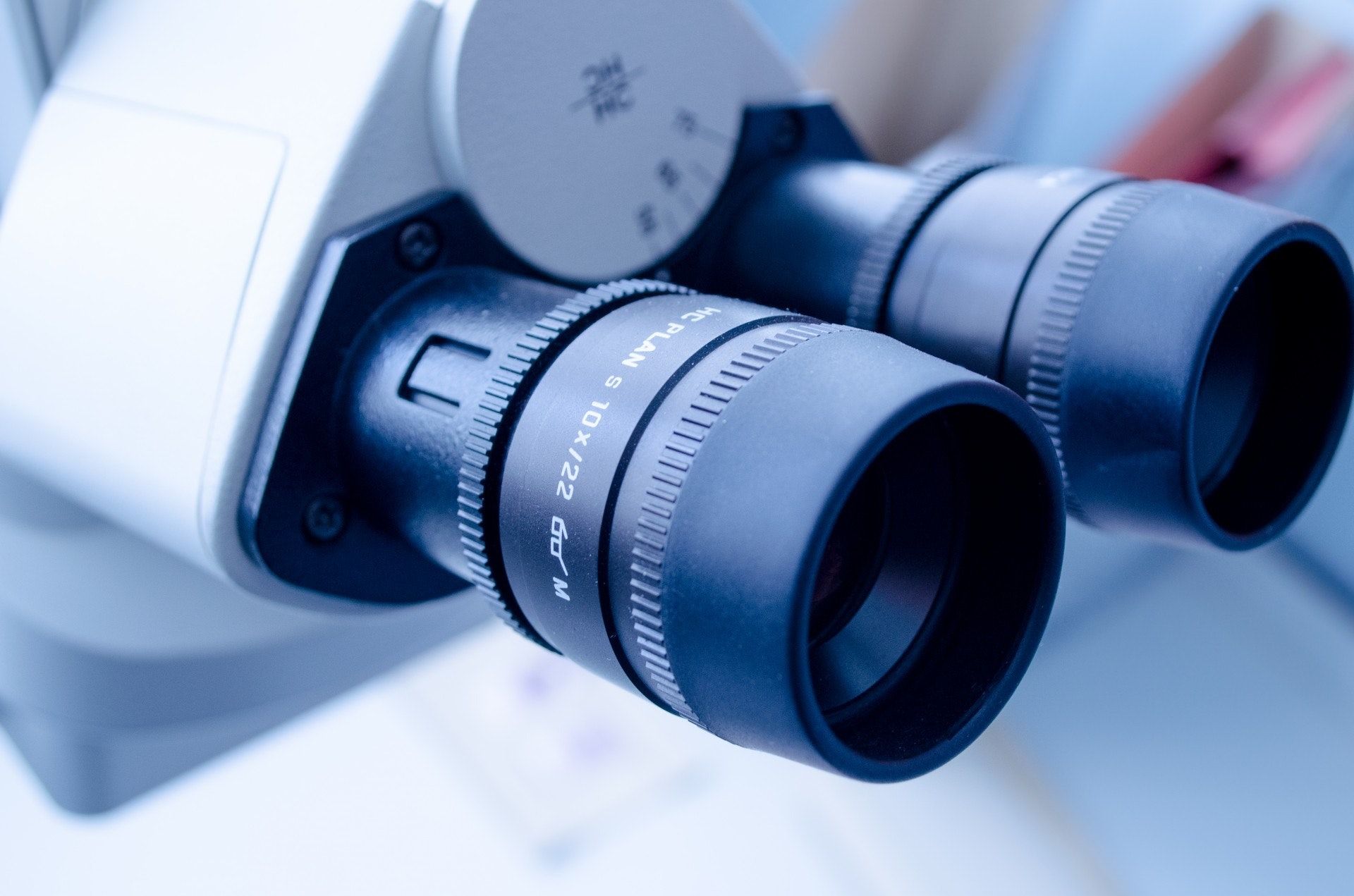
Baumeister’s research has been supported by two EU-funded projects. TOPAG, launched in 2013, focused on toxic protein aggregation in neurodegeneration. The second, still ongoing project, called SymPore(opens in new window), began in 2021 and is studying the structural elucidation of plasmodesmata – the microscopic channels that connect plant cells – at near-atomic resolution using cryo-ET.
Overcoming hurdles
Baumeister made groundbreaking advancements in cryo-ET, an imaging technique used to visualise biological samples such as proteins, macromolecules and cellular structures in 3D in their native setting within cells. The molecular biologist addressed the time-consuming processes and guesswork involved in macromolecule identification by developing a computational method called template matching. This method has allowed scientists to locate and identify the positions and orientations of macromolecular complexes in crowded cellular environments, in this way improving the accuracy and the automation of cryo-ET.
To overcome the limitations imposed by the fact that cryo-ET could only be applied to very small, very thin specimens such as viruses, bacteria and yeast, Baumeister and his team perfected the use of focused ion beam (FIB) milling, a process used in manufacturing. In cryo-ET, FIB milling slices away biological material from the outsides of thick samples, making the remaining sections thin enough for analysis. This has enabled scientists to study the cells and tissues of higher organisms that were previously precluded from cryo-ET analysis.
Baumeister’s achievements extend beyond cryo-ET method development. Together with his colleagues, he has analysed the 26S proteosome complex, which is needed to remove damaged or unnecessary proteins in cells. He has also shed light on how disrupted proteosome function contributes to human disease. Additionally, cryo-ET has greatly benefited virology, providing a better understanding of how viruses interact with host cell membranes.
Baumeister’s achievements extend beyond cryo-ET method development. Together with his colleagues, he has analysed the 26S proteosome complex, which is needed to remove damaged or unnecessary proteins in cells. He has also shed light on how disrupted proteosome function contributes to human disease. Additionally, cryo-ET has greatly benefited virology, providing a better understanding of how viruses interact with host cell membranes.
Baumeister was one of four winners announced at the press conference. Mathematician Kenji Fukaya from China’s Tsinghua University received the Shaw Prize in Mathematical Sciences for his pioneering work on symplectic geometry. The Shaw Prize in Astronomy was shared by two astrophysicists – John Richard Bond (University of Toronto) and George Efstathiou (University of Cambridge) – for their groundbreaking research in cosmology. The three prizes each bear a monetary award of USD 1.2 million.
The SymPore (Plasmodesmata, Symplasmic pores for plant cell-to-cell communication) project ends in 2027. TOPAG (Toxic protein aggregation in neurodegeneration) ended in 2019.
More information: CORDIS.
Publicaciones relacionadas:
 New project to improve biological detection, identification & monitoring equipment
 Europe strengthens patient involvement in cancer research
 European Commission welcomes opening of new EU-funded University Hospital in Melilla
 Cuidados con Compasión: A tool for heatlh professionals to face COVID-19
 Coronavirus: Commission issues guidance to mitigate clinical trial disruption in the EU
Leave a Reply