
A novel approach to studying fibroblasts – cells that are important for the formation of connective tissues – could be a route to new therapies for atherosclerosis and other diseases of the vascular system.
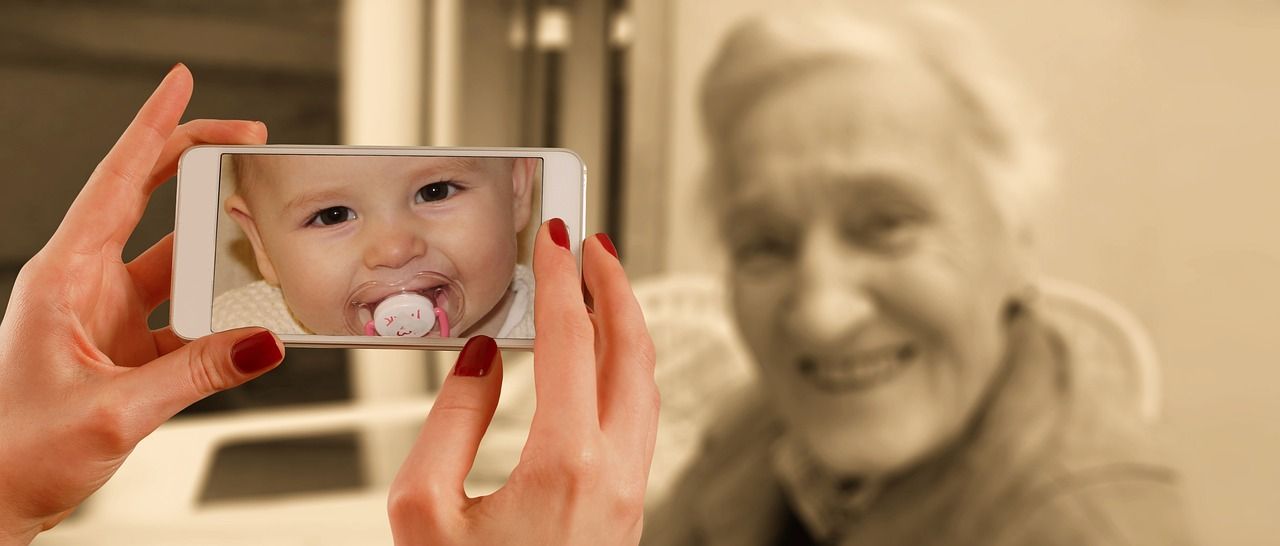
With age, arteries lose their elasticity. This increases the risk of high blood pressure and atherosclerosis which can lead to heart attacks, strokes and other diseases of the vascular or circulatory system.
“We still don’t have a good therapy to prevent the consequences of ageing or vascular ageing, such as hypertension,” says project coordinator Judith Sluimer, professor of Cardiovascular Pathophysiology at Maastricht University Medical Centre in the Netherlands.
“There are treatments, but there are still a lot of people having heart attacks and strokes. So we need something better.”
Most research on ageing and atherosclerosis that looks at the inside of the blood vessel, studies its inner layers, Sluimer notes. “There are three blood vessel layers. Most people are studying the inner and the medial ones. So if we have new information on the cells in the outside layer, maybe we can find a new therapy,” she adds.
Her own expertise is in the effects of ageing on the adventitia, the outer layer. Her laboratory is also involved in the EU-funded ERA-CVD (Cardiovascular Disease) Consortium’s MEND-AGE project.
Studying the function of fibroblasts
Research undertaken by Dlzar Kheder at Maastricht University Medical Centre in the FIB-AGE project, which was funded by the Marie Skłodowska-Curie Actions programme, looked at the function of collagen-producing fibroblasts in the outside layer and how it relates to changes that occur with ageing and cardiovascular disease.
“Fibroblasts are a type of cell that normally only live in the outside layer on the vasculature. But they also live in many organs,” Sluimer explains. “They are interesting cells because they are known, for instance, for regeneration and wound healing of the skin.”
“Fibroblasts also stimulate the formation of tiny new blood vessels to help regenerate tissue,” she adds.
Identifying markers
To study the function of the cells, the project had identified some adventitial cell markers to distinguish them from the medial cells.
“Using single-cell sequencing, we looked at the transcriptomes of the mRNA expression of individual cells, one by one, in order to validate adventitial fibroblast-specific markers for these cells. At that point, nobody knew how to distinguish fibroblasts from medial cells,” Sluimer explains.
Then, a knockout mouse – a rodent that had been genetically engineered to switch off the specific marker gene – was shipped to the Netherlands from Canada. They found the knockout had higher blood pressure, showing that the particular marker potentially has a role in causing hypertension.
Kheder, who was also part of the EU-funded VascAge network for research into vascular ageing, used his expertise culturing segments of arteries in an organ bath ex vivo to study the contraction and relaxation of isolated blood vessels, comparing their function in knockout and wild mice.

Genetics and their role in small and large birth weight |
Role in human hypertension
In parallel, the project worked on gene function. “What we are trying to show is, can we rescue the accelerated ageing that we see in the knockout,” Sluimer says. “Then see if humans with this DNA variant have a lower amount of the gene as well, and whether we can rescue either the gene or the function of the gene to prevent hypertension occurring.”
One of the genes had one of those DNA variants with hypertension, Sluimer notes, adding it was important proof that, in humans too, without the fibroblast gene there is increased hypertension.
But she remarks: “We still have a long way to go, because we don’t know yet how to translate that into a therapy.”
More information: CORDIS
Publicaciones relacionadas:
 New project to improve biological detection, identification & monitoring equipment
 Galileo Return Link Service delivers excellent performance
 Medical sensors boost response to Italy’s COVID-19 crisis
 Extension of deadline calls due to Covid-19
 Cuidados con Compasión: A tool for heatlh professionals to face COVID-19
Leave a Reply