• Skip to primary navigation
  • Skip to main content
  • Skip to primary sidebar
  • Skip to footer
  • Bluesky
  • Facebook
  • Instagram
  • Twitter
  • YouTube
CDE Almería – Centro de Documentación Europea – Universidad de Almería

CDE Almería - Centro de Documentación Europea - Universidad de Almería

Centro de Documentación Europea de la Universidad de Almería

  • HOME
  • WHAT´S ON
    • EU NEWS
    • Activities
    • EU Calls and Awards
    • Radio Program «Europe with You»
  • DOCUMENTATION
    • EU Media Collection
      • Web Space
      • MEDIATHEQUE REPOSITORY
  • Europe on the net
    • Institutions
    • EU Representation in Spain
    • European information network of Andalusia
  • ABOUT US
    • Presentation
    • Services
    • People
    • Contact
  • Spanish
  • English

Anti-coercion instrument: the EU’s new weapon to protect trade

Inicio » EU News » Market » International Trade » Anti-coercion instrument: the EU’s new weapon to protect trade

2 de October de 2023

The anti-coercion instrument will be the EU’s new tool to fight economic threats and unfair trade restrictions by non-EU countries.
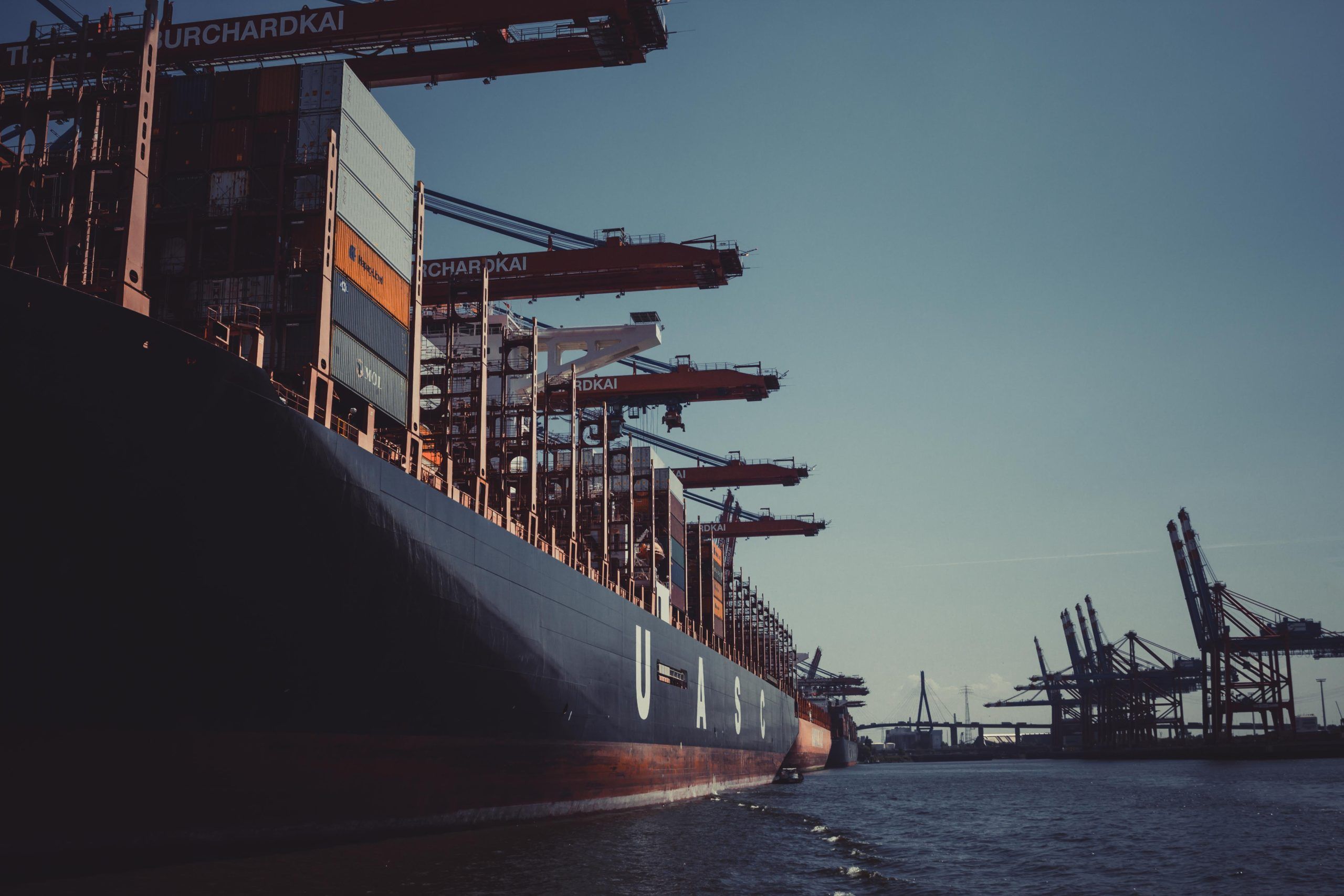
buque comercio marítimo

Why does the EU need a new tool to tackle trade conflicts?

Global trade can help to boost wealth and create jobs. However, sometimes countries resort to blackmail or trade restrictions to give their companies an unfair advantage, leading to trade conflicts with the EU.

As this is becoming more frequent, additional tools are needed.

China’s coercion of Lithuania

The anti-coercion instrument will help the EU deal with countries restricting trade to try to force a change in EU policies. One example is the trade restrictions China imposed on Lithuania after it announced it was improving trade relations with Taiwan in June 2021.

A few months after the announcement, Lithuanian companies reported difficulties renewing or concluding contracts with Chinese firms. They also had issues with shipments not being cleared and not being able to file customs paperwork. Parliament has denounced China’s economic coercion of Lithuania in several resolutions.
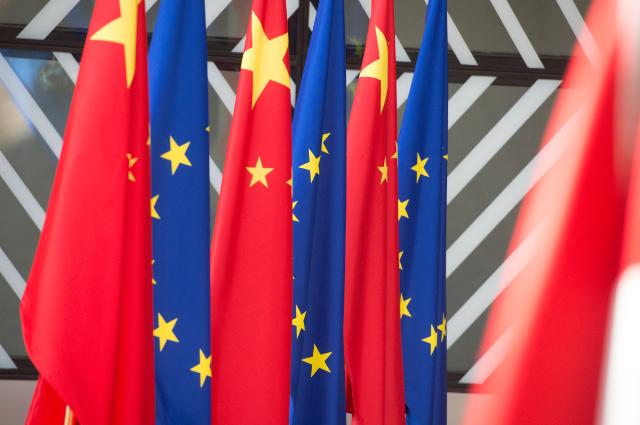
La Unión Europea pide mayor acceso al mercado y competencia leal en el Diálogo de Alto Nivel UE-China

What measures can the EU currently take to resolve trade conflicts?

The EU can make use of a range of anti-dumping measures. The EU can impose fines on non-EU countries if they are found to be dumping products in Europe. The fine takes the form of anti-dumping duties or tariffs on the dumped products.

The EU is also a member of the World Trade Organization, which can help to resolve disputes between members. However, procedures can take a very long time and don’t cover all infringements.

How will the anti-coercion instrument work?

The aim of the anti-coercion tool is to act as a deterrent, allowing the EU to resolve trade conflicts through negotiation.

However, as a last resort it could be used to launch countermeasures against a non-EU country, including a wide range of restrictions related to trade, investment and funding.

Next steps

Parliament and Council reached an agreement on the final text of the legislation on 6 June 2023, which was backed by Parliament’s international trade committee on 26 June 2023.

MEPs are expected to vote on the agreement during the plenary session on 2-5 October. After that the Council will have to approve it before it can enter into force.

More information: European Parliament

Publicaciones relacionadas:

Negotiations on the future EU-Mexico trade agreement vista trabajador en un puerto y un barco de cargaParliament wants to clamp down on foreign public subsidies microchip semiconductorEuropean Chips Act: the EU’s response to the semiconductor shortage industriaEU trade in high-tech products up in 2022 According to the European Court of Auditors, Europe is in danger of losing the battery race

EU News,  International Trade,  Market Comercio,  Unión Europea

“This is a space for debate. All comments, for or against publication, that are respectful and do not contain expressions that are discriminatory, defamatory or contrary to current legislation will be published”.

Reader Interactions

Leave a Reply Cancel reply

Your email address will not be published. Required fields are marked *

This site uses Akismet to reduce spam. Learn how your comment data is processed.

Primary Sidebar

Footer

  • CDE Almería
  • Biblioteca Nicolás Salmerón – Universidad de Almería
  • Planta: 1ª, Despacho: 1.05.0B.
  • Ctra. Sacramento s/n. Almería (Spain)
  • Teléfono: (+34) 950 015266

HOME
NEWS
DOCUMENTATION
EUROPE ON THE NET
ABOUT US

  • LEGAL NOTICE
  • PRIVACY POLICY
  • COOKIE POLICY
  • ACCESSIBILITY
  • SITEMAP

Copyright © 2026 CDE Almería · Creative Commons LicenseThis work is licensed under a Creative Commons Attribution-NonCommercial 4.0 International License.

<p>El Centro de Documentación Europea de la Universidad de Almería utiliza cookies propias y de terceros para facilitar al usuario la navegación en su página Web y el acceso a los distintos contenidos alojados en la misma. Asimismo, se utilizan cookies analíticas de terceros para medir la interacción de los usuarios con el sitio Web. Pinche el siguiente enlace si desea información sobre el uso de cookies y como deshabilitarlas. </p>

Politica de privacidad

El Centro de Documentación Europea de la Universidad de Almería utiliza cookies propias y de terceros para facilitar al usuario la navegación en su página Web y el acceso a los distintos contenidos alojados en la misma. Asimismo, se utilizan cookies analíticas de terceros para medir la interacción de los usuarios con el sitio Web. Pinche el siguiente enlace si desea información sobre el uso de cookies y como deshabilitarlas. <a href="/politica-de-cookies" rel="noopener" target="_blank">Más información</a>

Cookies estrictamente necesarias

Las cookies estrictamente necesarias tiene que activarse siempre para que podamos guardar tus preferencias de ajustes de cookies.

Básicamente la web no funcionara bien si no las activas.

Estas cookies son:

  • Comprobación de inicio de sesión.
  • Cookies de seguridad.
  • Aceptación/rechazo previo de cookies.
Cookies de terceros

Esta web utiliza Google Analytics, Google Tag Manager y Yandex Metrika para recopilar información anónima tal como el número de visitantes del sitio, o las páginas más populares.

Dejar estas cookies activas nos permite mejorar nuestra web.

Política de cookies

Pinche el siguiente enlace si desea información sobre el uso de cookies y como deshabilitarlas. Más información