
The new rules would make it easier for persons with disabilities to travel in the EU by ensuring access to special conditions, including parking, in all member states.
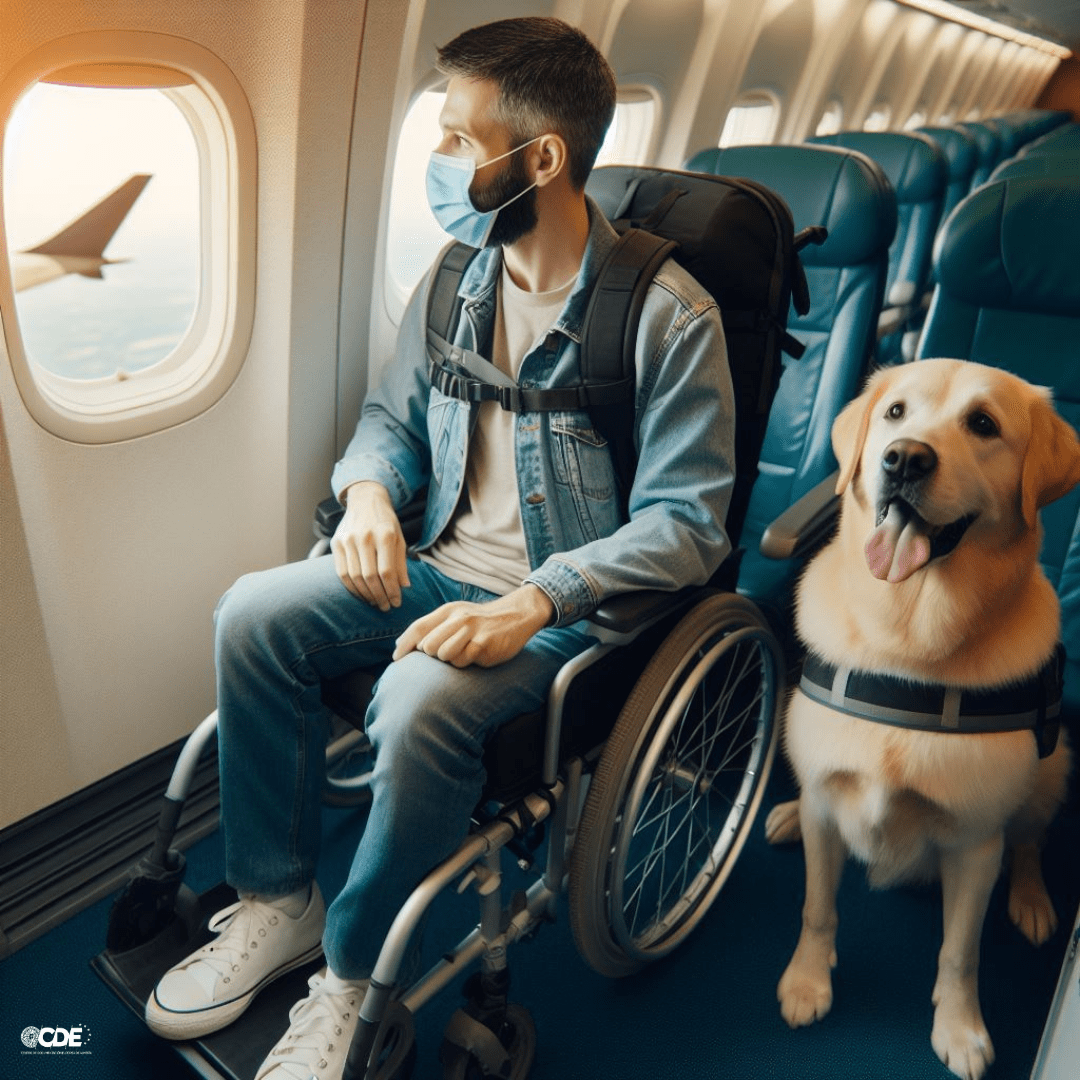
The proposed directive introduces an EU-wide Disability Card and revamps the European Parking Card for persons with disabilities to make sure that, when travelling for a short period, they have access to the same special conditions as those residing in that member state, including access to parking. Persons with disabilities regularly encounter barriers when travelling or visiting another member state as their disability status is not always recognised across the EU.
Both cards will be for EU citizens whose disability status and rights are recognised by the member state they reside in, their family members, and those accompanying or assisting them. To ensure third country nationals who reside in the EU are covered, the Commission put forward a complementary proposal.
The Employment and Social Affairs Committee unanimously adopted its position on the proposed law by 39 votes in favour, no votes against and no abstentions.
Free of charge, format, and deadlines
MEPs propose that the disability card should be issued or renewed within 60 days of someone applying for it and the parking card within 30 days. They also introduce the option of requesting a digital version of the parking card, to be ready in 15 days.
Both cards would be available in physical and digital format and free of charge, MEPs propose. They also want the rules and conditions to apply for the card to be available in accessible formats, also in national and international sign languages and braille, and in easily understandable language.
Recognition of disability status for work, study, and Erasmus+
To ensure access to benefits and social assistance for those working or studying in another member state, MEPs amended the proposal to temporarily protect European Disability Card holders that move to another member state for work or study, until their status is formally recognised, including those travelling for an EU mobility programme, such as Erasmus+.
Access to information
MEPs call on member states and the Commission to raise awareness about the European Disability Card and the European Parking Card for persons with disabilities, including by setting up a website with information on how to obtain, use and renew the cards in all EU languages and national and international sign language.
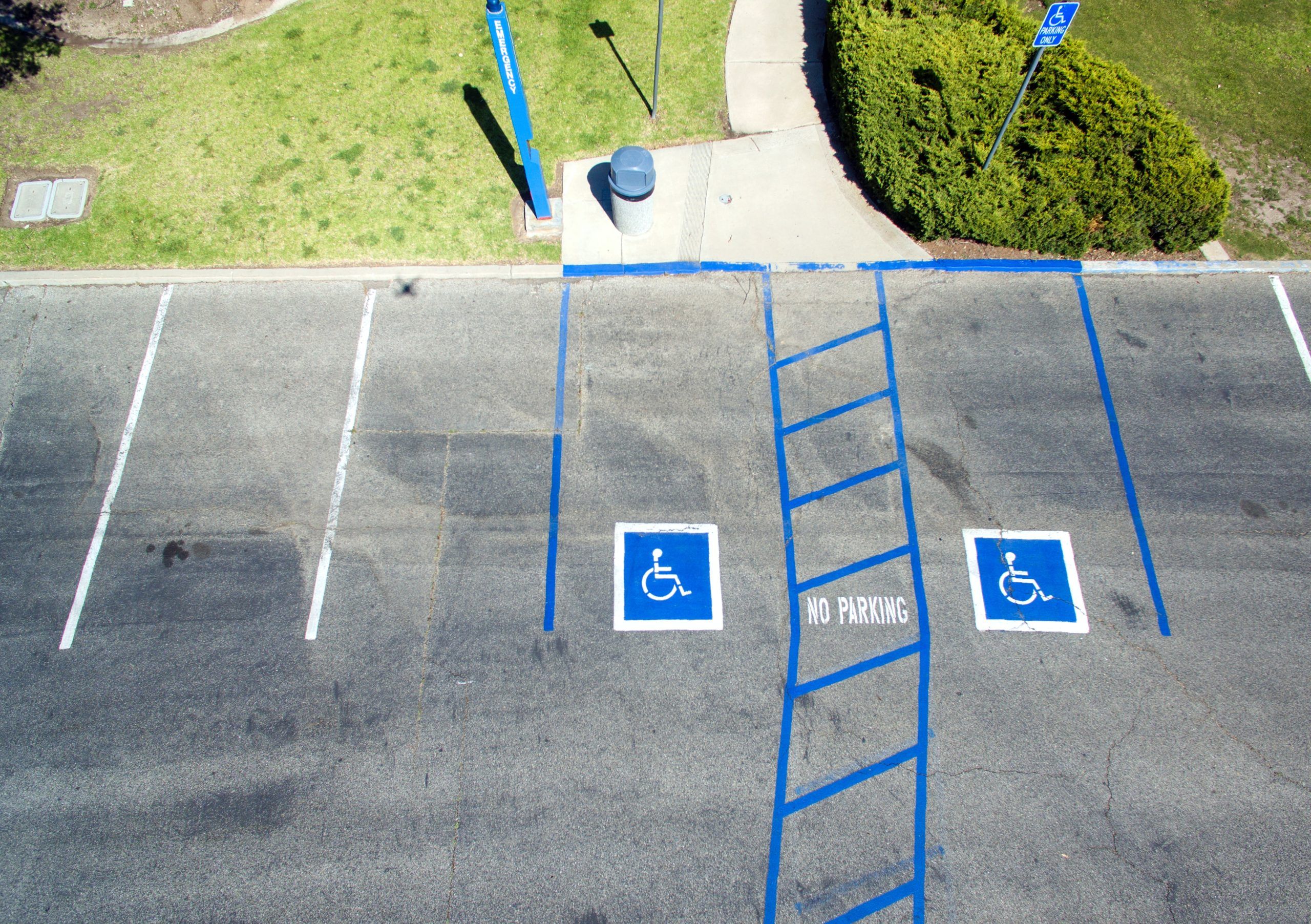
Commission proposes European Disability and Parking Card valid in all Member States |
Quote
Lucia Ďuriš Nicholsonová (Renew, SK), rapporteur, said: “With the adoption of this crucial piece of legislation, persons with disabilities are a step closer to having freedom of movement within the EU. We are on track to finalise the new law in just a few months, which shows our will to deliver for persons with disabilities who have waited many years for this legislation. The directive was endorsed by all political parties and we will do our utmost to move swiftly in the upcoming negotiations with the Council, so people can benefit from the cards as soon as possible.”
Next steps
Once the draft position is endorsed by the full house during the January plenary session, negotiations with the Council on the final form of the law can begin. Member states already agreed on their position.
More information: European Parliament
Publicaciones relacionadas:
 International Women’s Day 2020: Beijing Declaration 25 years after
 Judgment of the CJEU on homophobic discrimination in the workplace
 Situation of human rights in the U.S. and the EU
 Covid-19 and gender-based violence: Has the pandemic taught us anything?
 Countries led by women coped better with COVID-19
Leave a Reply