
The informal agreement between EU co-legislators will ensure soil is monitored in all EU countries and farmers get better support to improve soil health.
On Wednesday evening, Parliament and Council negotiators reached a provisional political agreement on the Commission’s proposal for a soil monitoring law. The overall objective is to have healthy European soils by 2050, in line with the EU’s “zero pollution” ambition. It should also provide for a more coherent and harmonised EU framework for soil monitoring.
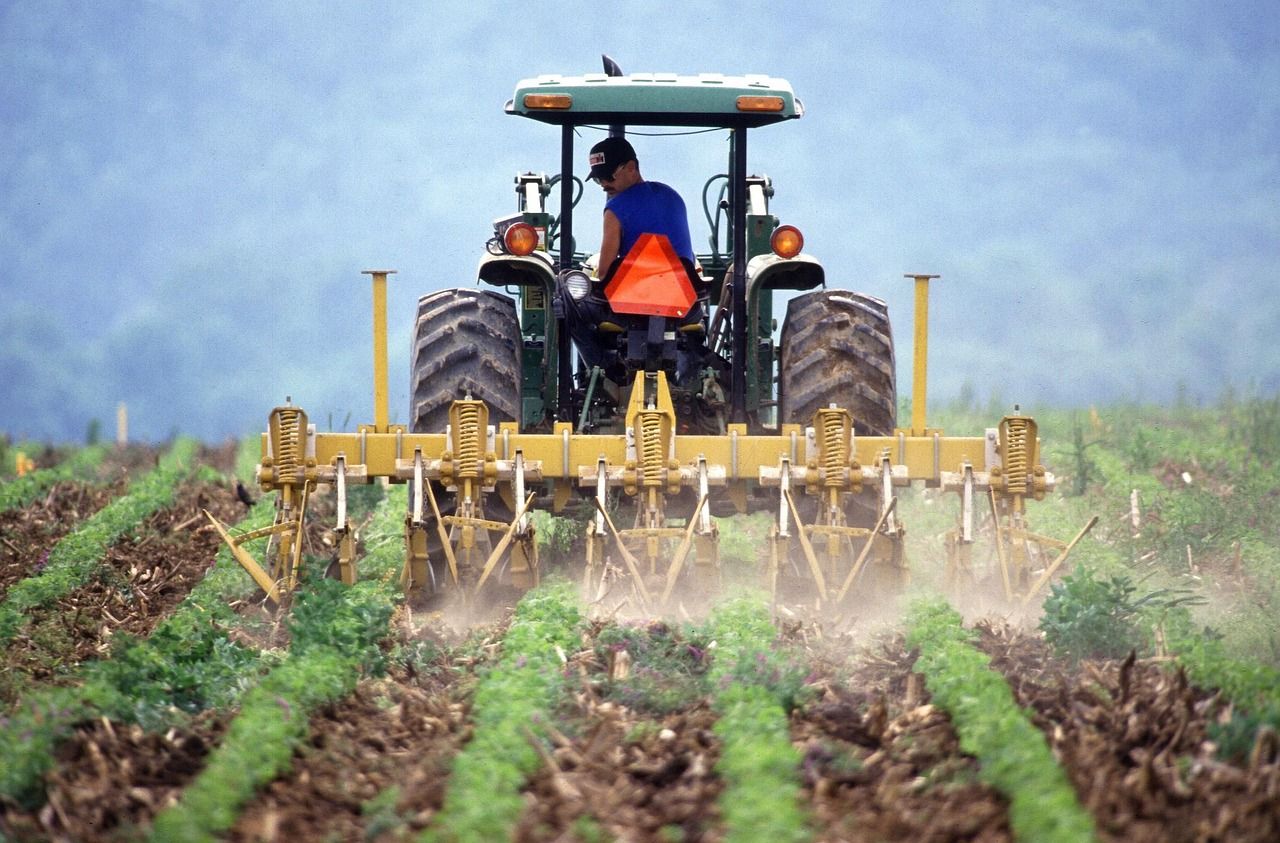
Monitoring and assessing EU soils
According to the deal, member states will have to monitor and assess soil health across their territories using common soil descriptors – characterising the physical, chemical, and biological aspect of soil health for each soil type – and an EU methodology for sampling points. To make it simpler for member states, they will be free to build on national soil monitoring campaigns or other equivalent methodologies. The Commission will support member states by reinforcing its current EU soil sampling programme, LUCAS Soils. It will offer tailor-made financial and technical support.
To reflect different levels of soil degradation and local conditions, national governments will set non-binding, sustainable, targets for each soil descriptor, in line with the overall objective of improving soil health.
No new obligations for farmers
To protect farmers and foresters, the agreed directive does not impose any new obligations on landowners or land managers. Instead, it obliges EU countries to help them improve soil health and soil resilience – the soil’s capacity to keep playing its important role in the ecosystem. Support measures may include independent advice, training activities, and capacity building, as well as the promotion of research and innovation, and measures to raise awareness of the benefits of soil resilience. Member states will also have to assess regularly the financial cost to farmers and foresters’ of improving soil health and soil resilience.
Contaminated soils
The law will require member states to draw up a public list of potentially contaminated sites within ten years of its entry into force and address any unacceptable risks to human health and the environment.
Finally, an indicative watch list of emerging substances that could pose a significant risk to soil health, human health or the environment, and for which data is needed, will be drawn up 18 months after the law enters into force. This list will include relevant PFAS (also known as “forever chemicals”) and pesticides.
Quote
On reaching the agreement, rapporteur Martin Hojsík (Renew, SK) said: “Today’s deal is an important milestone in improving support for farmers and all others in keeping the soil healthy. Providing them with better information and help, while preventing bureaucracy and new obligations, are cornerstones of the new soil monitoring law.”
Next steps
Parliament and the Council have concluded an “early second reading agreement” (the negotiation took place after Parliament’s first reading was adopted in plenary). The Council is now expected to adopt this agreement formally, and Parliament will then have to endorse the text in plenary, in second reading.
The directive will enter into force 20 days after its publication in the EU Official Journal. From this date, EU countries will have three years to comply.
Background
An estimated 60 to 70% of European soils are unhealthy due to urbanisation, low land recycling rates, intensification of agriculture practices, and climate change. Degraded soils are major drivers of the climate and biodiversity crises, and they reduce the provision of key ecosystem services. This costs the EU at least €50 billion per year, according to the Commission.
More information: European Parliament
Publicaciones relacionadas:
 A new European strategy for healthier and more sustainable foods
 EU agri-food exports increased in July 2025
 The committee is inviting comments on the multiannual fisheries plans
 The EU’s agri-food trade surplus rises in the first five months of 2026
European Parliament Fisheries Committee will evaluate how Ecuador fights against illegal fishing
The EU’s agri-food trade surplus rises in the first five months of 2026
European Parliament Fisheries Committee will evaluate how Ecuador fights against illegal fishing
Leave a Reply