• Skip to primary navigation
  • Skip to main content
  • Skip to primary sidebar
  • Skip to footer
  • Bluesky
  • Facebook
  • Instagram
  • Twitter
  • YouTube
CDE Almería – Centro de Documentación Europea – Universidad de Almería

CDE Almería - Centro de Documentación Europea - Universidad de Almería

Centro de Documentación Europea de la Universidad de Almería

  • HOME
  • WHAT´S ON
    • EU NEWS
    • Activities
    • EU Calls and Awards
    • Radio Program «Europe with You»
  • DOCUMENTATION
    • EU Media Collection
      • Web Space
      • MEDIATHEQUE REPOSITORY
  • Europe on the net
    • Institutions
    • EU Representation in Spain
    • European information network of Andalusia
  • ABOUT US
    • Presentation
    • Services
    • People
    • Contact
  • Spanish
  • English

Ageing societies, migration and climate change: new challenges for gender equality

Inicio » Noticias UE » Ageing societies, migration and climate change: new challenges for gender equality

14 de January de 2020

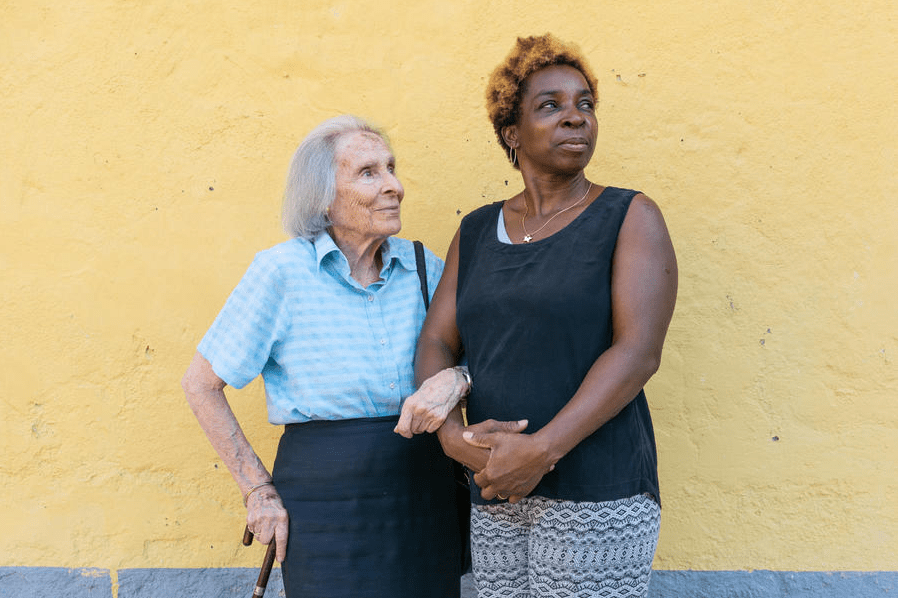
Photo: Chiara Luxardo

It is almost a quarter of a century since the Beijing Platform for Action was adopted by 189 governments following a landmark UN conference in 1995. New research from EIGE shows that no EU country has yet fully implemented this blueprint for women’s empowerment, with issues such as ageing societies, migration and climate change bringing new challenges.

Long-term care services

Caring responsibilities keep 7.7 million women and about half a million men out of the labour market and for the same reason, 9 million women, compared to 0.6 million men work part time. More women (19.7 %) than men (14.9 %) provide care for older persons and persons with disabilities, particularly among the older population aged 50-64. Long-term care services remain insufficient across many Member States and are missing from EU targets.

Climate change

When it comes to gender equality and climate change, although women are more likely to adopt eco-friendly behaviour, key decision-making positions in the environmental sector are dominated by men: only a fifth of government ministers dealing with environment, climate change, energy and transport are women.

Energy poverty

Energy efficiency can contribute to reducing the level of energy poverty– especially for single-parent households, which are most affected (12.1 % at EU level). Single-female households are worst affected by energy poverty (11.3 %), followed by single-male households (9.4 %).

Migration

Migration has triggered a response focussed on security and border control as opposed to the specific needs of migrants. Women require gender-sensitive measures throughout the asylum process, from female interviewers and interpreters to services for pregnant women at reception centres. Significant effort is needed on integration: Around one in two people from a non-EU migrant background are at risk of poverty and social exclusion, and half of migrant women are out of employment.

Gender violence

Gender-based violence remains common, with every third woman in the EU affected by physical or sexual violence. Cyber violence is of increasing concern, with 20 % of young women having experienced sexual violence online and 40 % of journalists self-censoring after facing cyber harassment. The web has no borders but the lack of an EU-level instrument to combat cyber violence can result in abuse going unpunished.

Although there has been indisputable progress since 1995, there have also been setbacks. Recent years have seen the increasing clout of voices hostile to gender equality, with chilling effects in some Member States: resistance to ratification of the Istanbul Convention, efforts to ban gender studies at universities, attempts to restrict women’s access to abortion, and shrinking space for women’s rights organisations.

EIGE’s forthcoming review of the Beijing Platform for Action in the EU Member States was prepared at the request of Finland’s Presidency of the Council of the EU. It contributes to global efforts to monitor the implementation of commitments to gender equality and women’s empowerment.

More information

EIGE news

Beijing +25 presentation

Beijing +25 statistics

Publicaciones relacionadas:

Calendario de bloques que marca el 8 de marzoMarch 8th: International Women’s Day The European Agenda on Migration: EU needs to sustain progress made over the past 4 years Gender employment gap in the EU NGOs saving lives in the Mediterranean: MEPs to assess the situation madre abrazando a su hijo pequeño mientras lleva a un bebé atado a sí mismaWork-life balance: new leave rules for family care

EU News Equality,  Migration

“This is a space for debate. All comments, for or against publication, that are respectful and do not contain expressions that are discriminatory, defamatory or contrary to current legislation will be published”.

Reader Interactions

Leave a Reply Cancel reply

Your email address will not be published. Required fields are marked *

This site uses Akismet to reduce spam. Learn how your comment data is processed.

Primary Sidebar

Footer

  • CDE Almería
  • Biblioteca Nicolás Salmerón – Universidad de Almería
  • Planta: 1ª, Despacho: 1.05.0B.
  • Ctra. Sacramento s/n. Almería (Spain)
  • Teléfono: (+34) 950 015266

HOME
NEWS
DOCUMENTATION
EUROPE ON THE NET
ABOUT US

  • LEGAL NOTICE
  • PRIVACY POLICY
  • COOKIE POLICY
  • ACCESSIBILITY
  • SITEMAP

Copyright © 2026 CDE Almería · Creative Commons LicenseThis work is licensed under a Creative Commons Attribution-NonCommercial 4.0 International License.

<p>El Centro de Documentación Europea de la Universidad de Almería utiliza cookies propias y de terceros para facilitar al usuario la navegación en su página Web y el acceso a los distintos contenidos alojados en la misma. Asimismo, se utilizan cookies analíticas de terceros para medir la interacción de los usuarios con el sitio Web. Pinche el siguiente enlace si desea información sobre el uso de cookies y como deshabilitarlas. </p>

Politica de privacidad

El Centro de Documentación Europea de la Universidad de Almería utiliza cookies propias y de terceros para facilitar al usuario la navegación en su página Web y el acceso a los distintos contenidos alojados en la misma. Asimismo, se utilizan cookies analíticas de terceros para medir la interacción de los usuarios con el sitio Web. Pinche el siguiente enlace si desea información sobre el uso de cookies y como deshabilitarlas. <a href="/politica-de-cookies" rel="noopener" target="_blank">Más información</a>

Cookies estrictamente necesarias

Las cookies estrictamente necesarias tiene que activarse siempre para que podamos guardar tus preferencias de ajustes de cookies.

Básicamente la web no funcionara bien si no las activas.

Estas cookies son:

  • Comprobación de inicio de sesión.
  • Cookies de seguridad.
  • Aceptación/rechazo previo de cookies.
Cookies de terceros

Esta web utiliza Google Analytics, Google Tag Manager y Yandex Metrika para recopilar información anónima tal como el número de visitantes del sitio, o las páginas más populares.

Dejar estas cookies activas nos permite mejorar nuestra web.

Política de cookies

Pinche el siguiente enlace si desea información sobre el uso de cookies y como deshabilitarlas. Más información