
New analysis highlights greater diversity of cannabis products, rising potency and security risks posed by Europe’s largest illicit drug market
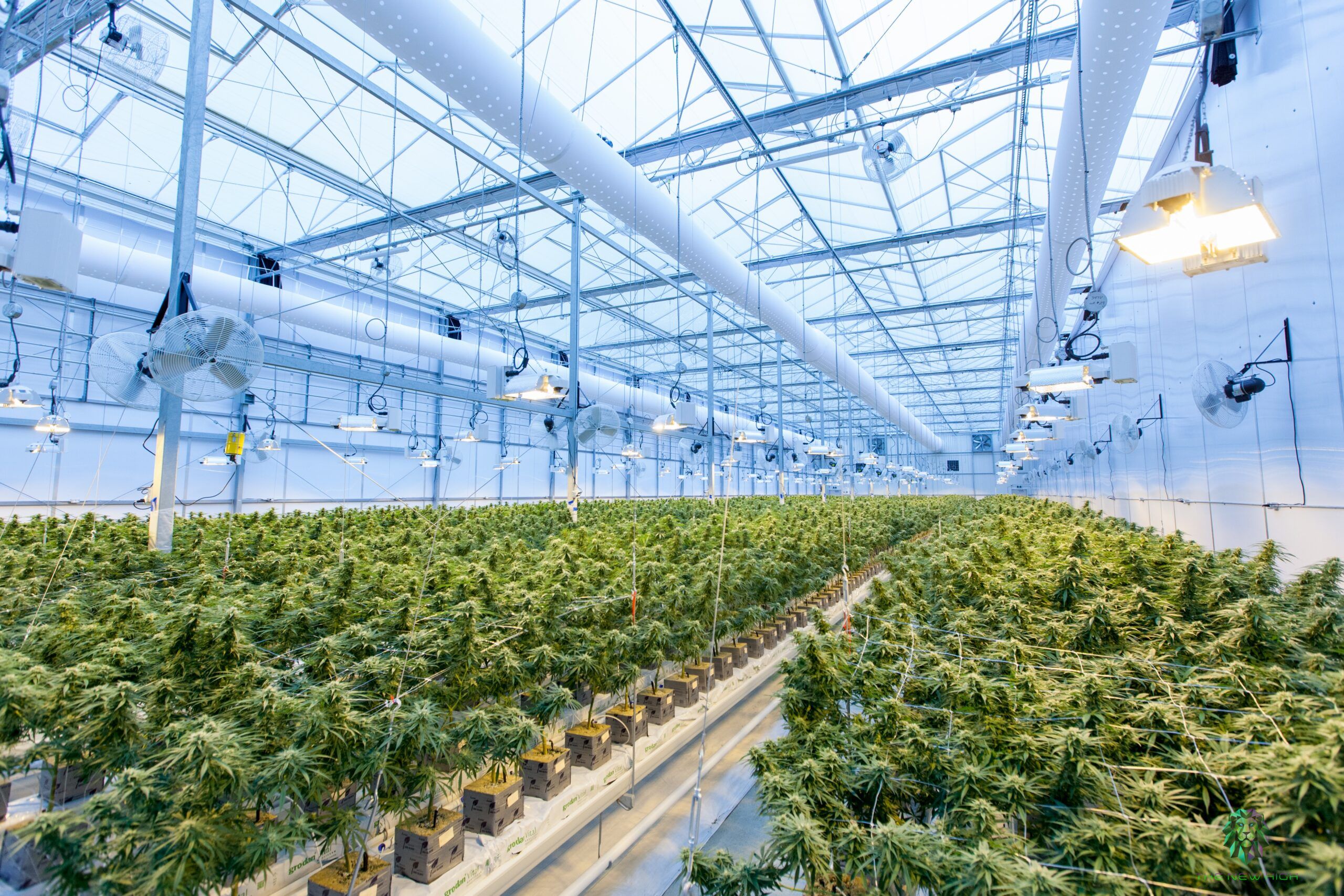
Cannabis products are becoming increasingly potent and diverse, while collaboration between criminal groups is creating new security risks in Europe. These are among the conclusions of a new analysis — EU Drug Market: Cannabis — released by the EMCDDA and Europol.
The analysis describes the illegal European market for cannabis products, from production and trafficking to distribution and use. It also details the processes, materials and criminal actors involved at different stages and levels of the market.
Estimated to be worth at least EUR 11.4 billion annually, the cannabis market is the largest drug market in Europe. Latest estimates show that some 22.6 million adults in the EU (15–64 years) have used cannabis in the last year. In 2021, seized quantities of herbal cannabis and cannabis resin in the EU reached their highest levels in a decade, at 256 tonnes and 816 tonnes respectively. In addition, over 4.3 million cannabis plants were intercepted.
Most of the herbal cannabis found in the EU appears to be grown locally. The Western Balkan region remains a source, albeit less so than in the past. Some cannabis products, including herbal cannabis, are now smuggled into the EU from North America. As for cannabis resin, Morocco is still the largest supplier to Europe, but there are signs that resin production within the EU may be on the rise.
Latest data reveal a significant increase in the potency of cannabis products. The average potency of herbal cannabis in the EU rose by about 57 % between 2011 and 2021, while the average potency of cannabis resin increased by nearly 200 % in the same period, raising additional health concerns for users.
Cannabis consumer products: increasingly potent and diverse
While cannabis herb and resin still dominate the market, cannabis products in Europe are increasingly diverse, and include a range of natural, semi-synthetic and synthetic cannabinoids available in many different forms. These include oil, a variety of other high-potency extracts known as ‘concentrates’, vaping products and edibles. Increasingly, at the retail end of the market, commercial marketing strategies are being used both offline and online to advertise and sell products. Some of these products pose a high risk to users’ health due to their potency, often exceeding 90 % delta-9-THC. Others may contain dangerous synthetic cannabinoids. In addition, several semi-synthetic cannabinoids (e.g. delta-8-THC, HHC) have emerged in recent years, underlining the need for close monitoring.
An attractive market for serious and organised crime
The cannabis trade in Europe involves a broad range of networks, comprising both EU and non-EU criminals. These networks are highly cooperative, particularly at the wholesale level, sharing resources, building partnerships and providing services from production to distribution.
Some criminal networks act as service providers to cannabis traffickers. Examples include networks that specialise in supplying boats to cannabis resin traffickers, while others provide aerial drones and helicopters. The methods used to smuggle cannabis have also diversified, highlighting how adaptable and opportunistic criminals can be. In addition to the traditional means of transportation, for example, unmanned semi-submersible vessels have recently been seized during investigations. This booming cannabis trade is not without its repercussions, being linked to violent clashes in several EU countries. Corruption related to the cannabis market also contributes to undermining the rule of law, security and governance.
Environmental impact — the carbon footprint of cannabis cultivation
The analysis describes the environmental impact of illicit cannabis production as ‘considerable’, due to significant water and energy use and chemical pollution. For example, an indoor cannabis cultivation site of 500 plants would potentially consume between 1.6 million and 2 million litres of water per year. Energy use accounts for the largest share of carbon dioxide emissions in the production process, particularly for cannabis grown indoors. Much of the electricity used to cultivate cannabis indoors in the EU is stolen.
The carbon footprint of indoor cultivation is also striking, estimated to be 16 to 100 times higher than outdoor cultivation.
New European Agency to monitor illegal trafficking in new drugs |
Cannabis policy developments in a complex market
Globally, and within some EU countries, there is an ongoing policy debate around the cannabis market, with a number of changes in the approaches taken to the drug’s regulation and control. Today, five EU Member States (Czechia, Germany, Luxembourg, Malta and the Netherlands) have introduced, or are planning to introduce, new approaches to regulate the supply of cannabis for recreational use. Switzerland also started trials of legal cannabis sales in early 2023. These changes highlight the need to invest in monitoring and evaluation to fully understand their impact on public health and safety (2).
Addressing current threats and boosting preparedness
Today’s findings draw on data and information from the EMCDDA’s drug monitoring system and from Europol’s operational information on serious and organised crime. Taking a threat assessment approach, the agencies highlight key areas for action at EU and Member State level to respond to developments in the illegal cannabis market. These include: improving the strategic intelligence picture; enhancing monitoring of potency and emerging health risks; investing in capacity-building; fostering technological innovation; and strengthening policy, public health and safety responses, including responding to environmental risks.
More information: Europol
Publicaciones relacionadas:
 Terrorism in the EU in 2022 – facts and figures
 Corona Crimes: Suspect Behind €6 Million Face Masks And Hand Sanitisers Scam Arrested Thanks To International Police Cooperation
 101 Arrested And 19,000 Stolen Artefacts Recovered In International Crackdown On Art Trafficking
 Doping Trafficking Ring with Professional Athletes Dismantled in Italy
 Spain dismantle a terrorist organisation recruiting and indoctrinating women
Leave a Reply