• Skip to primary navigation
  • Skip to main content
  • Skip to primary sidebar
  • Skip to footer
  • Bluesky
  • Facebook
  • Instagram
  • Twitter
  • YouTube
CDE Almería – Centro de Documentación Europea – Universidad de Almería

CDE Almería - Centro de Documentación Europea - Universidad de Almería

Centro de Documentación Europea de la Universidad de Almería

  • HOME
  • WHAT´S ON
    • EU NEWS
    • Activities
    • EU Calls and Awards
    • Radio Program «Europe with You»
  • DOCUMENTATION
    • EU Media Collection
      • Web Space
      • MEDIATHEQUE REPOSITORY
  • Europe on the net
    • Institutions
    • EU Representation in Spain
    • European information network of Andalusia
  • ABOUT US
    • Presentation
    • Services
    • People
    • Contact
  • Spanish
  • English

2 Postdoc positions in the Singtel Cyber Security Lab in Singapore

Inicio » EU Calls and Awards » Euraxess » Science » 2 Postdoc positions in the Singtel Cyber Security Lab in Singapore

24 de September de 2020

“NUS-Singtel Cyber Security R&D Lab” is a 5 years joint project with about SGD 43 mil (approximately USD 31 mil) of funds contributed by Singapore Telecommunications Limited (SingTel), National University of Singapore (NUS), and National Research Foundation (NRF) of Singapore.
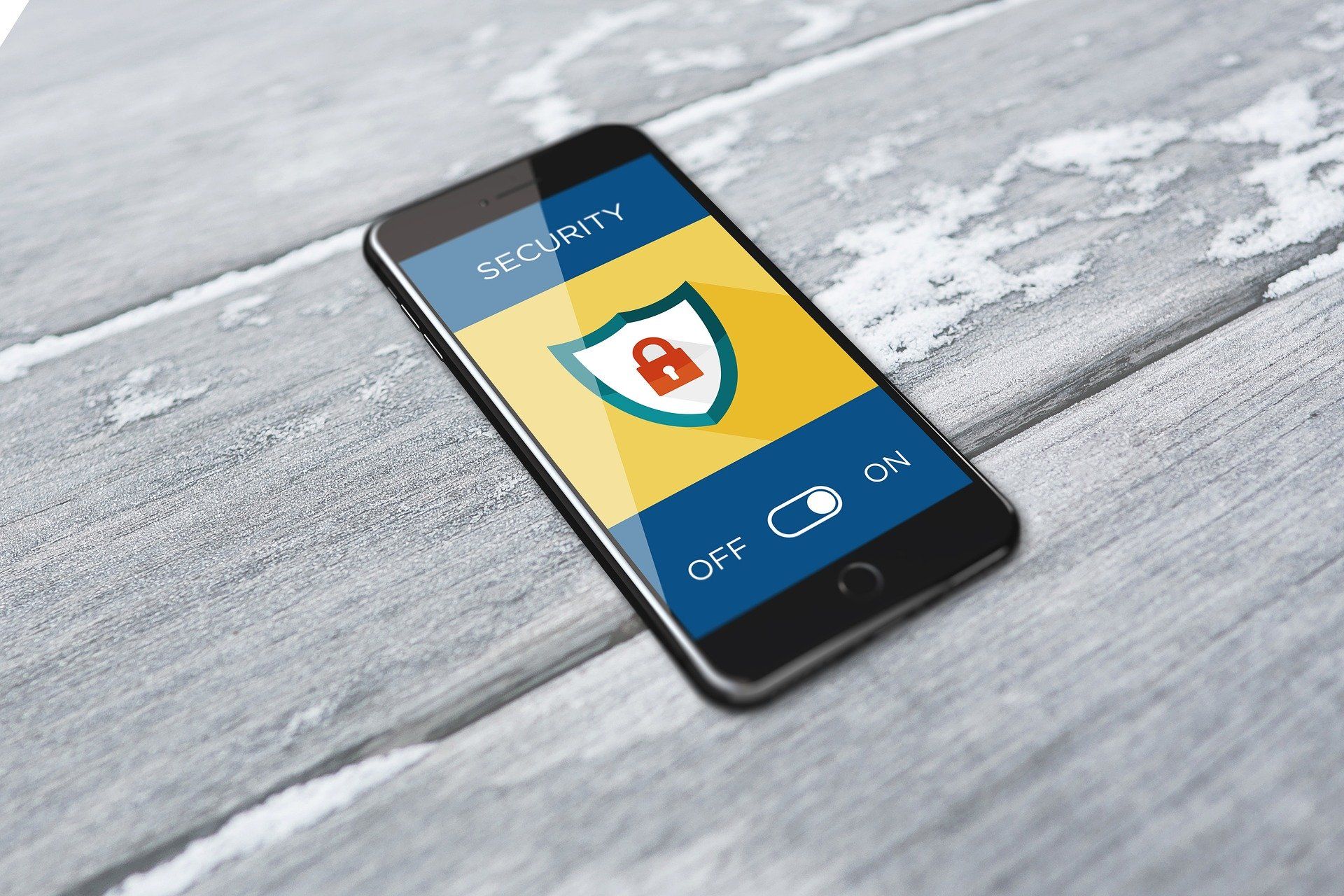
cyber-security singapore

Description

The R&D Lab will research four broad areas of cybersecurity having strategic relevance to Singtel’s business: (1) Predictive Security Analytics; (2) Network, Data, and Cloud Security; (3) Internet-of-Things and Industrial Control Systems; (4) Future-Ready Cyber Security Systems.

NUS-Singtel Lab currently has one research fellow position with competitive pay. It is available to both fresh and experienced Ph.D. graduates in computer science/engineering from Singapore or overseas.

The Research Fellow will be responsible for working closely with the Principal Investigator, Co-Principal Investigator, and lab members. He/she should possess experience or interest in at least some of the following research areas:

  • Cyber Threat Intelligence, Threat Hunting, Security Analysis, and Vulnerability Detection
  • Anomaly Detection, Attack Classification and Detection, Malware Classification and Detection
  • Cyber Attribution

Requirements

  • A Ph.D. degree in a relevant area (Computer Science/Engineer, mathematics, etc.);
  • Good publication record and preferably in cybersecurity
    • Publication in top tier conferences such as USENIX Security, CCS, IEEE S&P, NDSS, ACSAC, Asia CCS, etc.; Good conference or journals in other domains are also accepted
  • Good software development skills
  • Good skills on various machine learning algorithms, not mandatory
  • Good communication skills, self-motivated and good team players;
  • Willing to perform practical research which may eventually lead to products

Organisation

National Universtiy of Singapore

Research Field

Computer science, Mathematics  

Location

Singapore

Deadline

28 December 2020

More information

Euraxess

Publicaciones relacionadas:

PhD position in Virtual Reality-based Training and Therapy in New York Informatics Scientist – Data Management in Germany Tenure Track Researcher/Senior Researcher in land-use greenhouse gas emission research in Denmark seguridad-protección-ciberseguridadPost-Doctoral Research Fellow in ICT – Machine learning and cybersecurity Speech Recognition Expert and Speech Synthesis Expert in Iceland




EU Calls and Awards,  Euraxess,  Science Computer science,  Euraxess,  Mathematics,  Singapore

“This is a space for debate. All comments, for or against publication, that are respectful and do not contain expressions that are discriminatory, defamatory or contrary to current legislation will be published”.

Reader Interactions

Leave a Reply Cancel reply

Your email address will not be published. Required fields are marked *

This site uses Akismet to reduce spam. Learn how your comment data is processed.

Primary Sidebar

Footer

  • CDE Almería
  • Biblioteca Nicolás Salmerón – Universidad de Almería
  • Planta: 1ª, Despacho: 1.05.0B.
  • Ctra. Sacramento s/n. Almería (Spain)
  • Teléfono: (+34) 950 015266

HOME
NEWS
DOCUMENTATION
EUROPE ON THE NET
ABOUT US

  • LEGAL NOTICE
  • PRIVACY POLICY
  • COOKIE POLICY
  • ACCESSIBILITY
  • SITEMAP

Copyright © 2026 CDE Almería · Creative Commons LicenseThis work is licensed under a Creative Commons Attribution-NonCommercial 4.0 International License.

<p>El Centro de Documentación Europea de la Universidad de Almería utiliza cookies propias y de terceros para facilitar al usuario la navegación en su página Web y el acceso a los distintos contenidos alojados en la misma. Asimismo, se utilizan cookies analíticas de terceros para medir la interacción de los usuarios con el sitio Web. Pinche el siguiente enlace si desea información sobre el uso de cookies y como deshabilitarlas. </p>

Politica de privacidad

El Centro de Documentación Europea de la Universidad de Almería utiliza cookies propias y de terceros para facilitar al usuario la navegación en su página Web y el acceso a los distintos contenidos alojados en la misma. Asimismo, se utilizan cookies analíticas de terceros para medir la interacción de los usuarios con el sitio Web. Pinche el siguiente enlace si desea información sobre el uso de cookies y como deshabilitarlas. <a href="/politica-de-cookies" rel="noopener" target="_blank">Más información</a>

Cookies estrictamente necesarias

Las cookies estrictamente necesarias tiene que activarse siempre para que podamos guardar tus preferencias de ajustes de cookies.

Básicamente la web no funcionara bien si no las activas.

Estas cookies son:

  • Comprobación de inicio de sesión.
  • Cookies de seguridad.
  • Aceptación/rechazo previo de cookies.
Cookies de terceros

Esta web utiliza Google Analytics, Google Tag Manager y Yandex Metrika para recopilar información anónima tal como el número de visitantes del sitio, o las páginas más populares.

Dejar estas cookies activas nos permite mejorar nuestra web.

Política de cookies

Pinche el siguiente enlace si desea información sobre el uso de cookies y como deshabilitarlas. Más información