• Skip to primary navigation
  • Skip to main content
  • Skip to primary sidebar
  • Skip to footer
  • Bluesky
  • Facebook
  • Instagram
  • Twitter
  • YouTube
CDE Almería – Centro de Documentación Europea – Universidad de Almería

CDE Almería - Centro de Documentación Europea - Universidad de Almería

Centro de Documentación Europea de la Universidad de Almería

  • HOME
  • WHAT´S ON
    • EU NEWS
    • Activities
    • EU Calls and Awards
    • Radio Program «Europe with You»
  • DOCUMENTATION
    • EU Media Collection
      • Web Space
      • MEDIATHEQUE REPOSITORY
  • Europe on the net
    • Institutions
    • EU Representation in Spain
    • European information network of Andalusia
  • ABOUT US
    • Presentation
    • Services
    • People
    • Contact
  • Spanish
  • English

117 schools from all over Spain become Ambassador Schools in the year with the highest number of applications in history

Inicio » EU News » Education and Culture » Teaching and Education » 117 schools from all over Spain become Ambassador Schools in the year with the highest number of applications in history

16 de July de 2024

In total, 725 applications were received for the 2024 – 2025 academic year. In the end, 117 schools from all the autonomous communities and Melilla and 50 mentor schools from 15 regions have been chosen. 41,000 students have already participated in the Ambassador Schools programme.
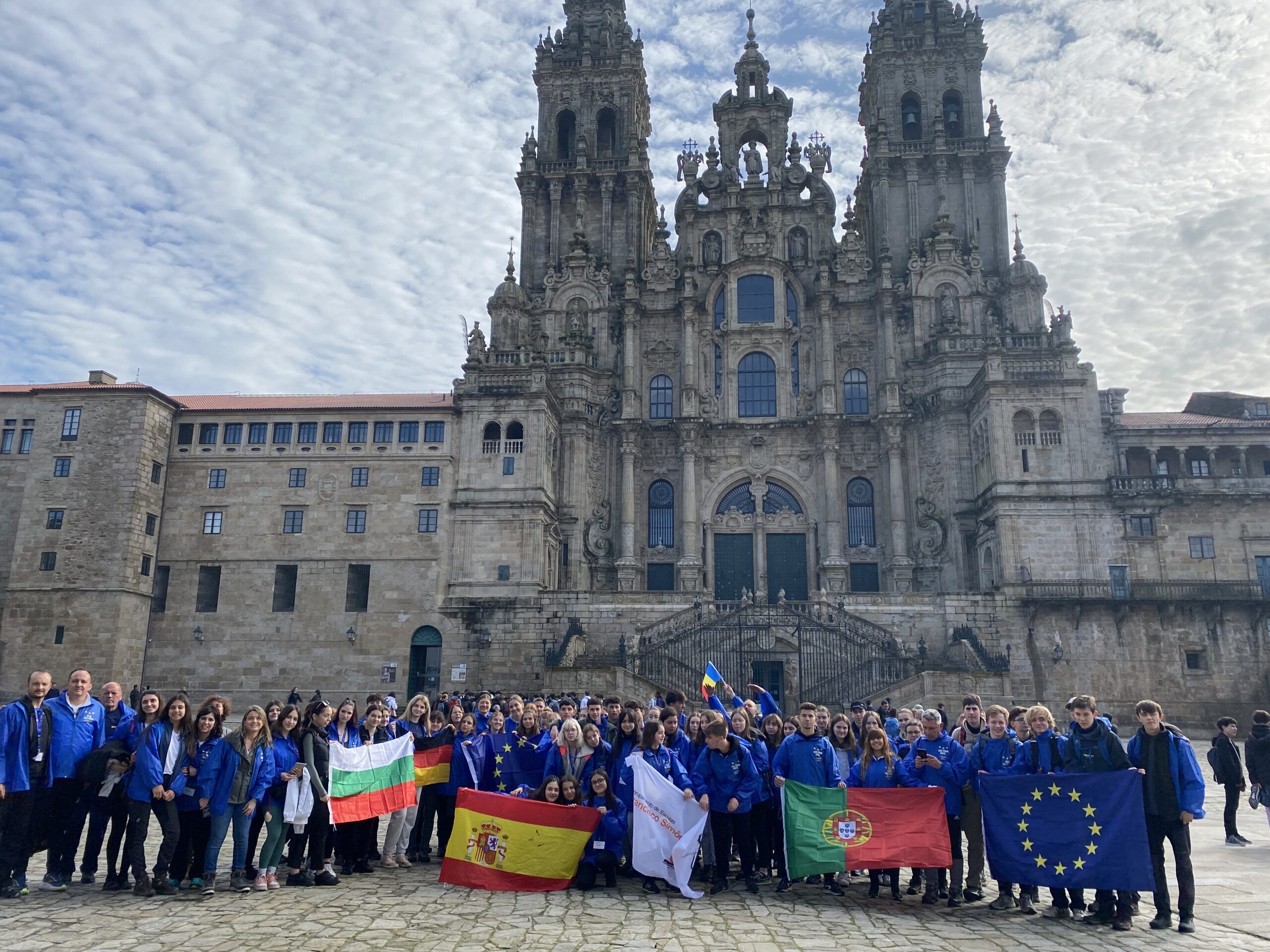
The 2024-2025 academic year of the European Parliament Ambassador Schools (EPAS) programme has registered a record number of applications from up to 725 schools across the country. Of these, 117 schools from all the autonomous communities and Melilla have finally been chosen. In addition, 50 schools from 15 autonomous communities have become MEPAS (mentor schools that have been in the programme for more than three years and work as a reference in their community with the other Ambassador Schools). The list of selected schools can be consulted at this link.

The selection by autonomous community is as follows:

MEPAS

EPAS

  TOTAL

Andalucía

3

16

19

Aragón

4

4

8

Canarias

2

5

7

Cantabria

1

4

5

Castilla La Mancha

1

6

7

Castilla y León

2

7

9

Cataluña

8

14

22

Madrid

9

12

21

Comunidad Foral de Navarra

1

5

6

Comunidad Valenciana

4

10

14

Extremadura

6

4

10

Galicia

3

7

10

Islas Baleares

6

6

La Rioja

2

3

5

Melilla

1

1

País Vasco

4

4

Principado de Asturias

1

4

5

Región de Murcia

3

5

8

50

117

167

This year will be the tenth edition of the programme, which runs across the EU and in the UK. Each year, the EPAS programme involves around 4,500 students from 4th year of ESO and around 600 teachers. Since the first year in 2015-2016, the programme has involved more than 41,000 pupils in Spain.

What does the Ambassador Schools programme consist of?

The European Parliament’s Ambassador Schools programme aims to stimulate knowledge of Europe and European parliamentary democracy among young people by giving them an active knowledge of the European Union and the European Parliament in particular. It is both about teaching facts about the European Union and giving them the opportunity to experience European citizenship: what the Union means in everyday life and what can be done to make Europe what its citizens want it to be in the future.

Pupils and teachers taking part in the European Parliament Ambassador Schools programme will learn about the opportunities offered by European citizenship and become aware of the role of the European Parliament in the European decision-making process. The aim is therefore to make young people aware of their possibilities for action and to understand, among other things, the importance of voting in the European Parliament elections.

Schools participating in the programme commit themselves to the following:

  • Attend a compulsory training in Madrid (with all expenses covered by the European Parliament) to be held at the beginning of the school year 2025-26.
  • Keep an up-to-date InfoPoint on the European Parliament in their school in a visible place.
  • Work with teaching materials provided by the European Parliament.
  • Carry out activities throughout the school year related to the European Union.
  • Celebrate 9 May at your school.

Previous editions

Throughout each school year, pupils and teachers carry out activities on the EU throughout the year. In the 2023-2024 school year, the Ambassador Schools carried out numerous activities on the European elections, such as a walk along the Camino de Santiago to promote the elections by 100 young people from 5 EU countries (Spain, Portugal, Germany, Bulgaria and Romania), videos for social networks to encourage voting or actions such as a parachute launch with the EU flag on the occasion of Europe Day, on 9 May.

Source: European Parliament in Spain

Publicaciones relacionadas:

Coronavirus: online learning resources Impact of Coronavirus in higher education Can the coronavirus pandemic improve our schools? Establishing a culture of research integrity with innovative educational methods Graduate tracking gives insight into improving European education

Education and Culture,  EU News,  Teaching and Education

“This is a space for debate. All comments, for or against publication, that are respectful and do not contain expressions that are discriminatory, defamatory or contrary to current legislation will be published”.

Reader Interactions

Leave a Reply Cancel reply

Your email address will not be published. Required fields are marked *

This site uses Akismet to reduce spam. Learn how your comment data is processed.

Primary Sidebar

Footer

  • CDE Almería
  • Biblioteca Nicolás Salmerón – Universidad de Almería
  • Planta: 1ª, Despacho: 1.05.0B.
  • Ctra. Sacramento s/n. Almería (Spain)
  • Teléfono: (+34) 950 015266

HOME
NEWS
DOCUMENTATION
EUROPE ON THE NET
ABOUT US

  • LEGAL NOTICE
  • PRIVACY POLICY
  • COOKIE POLICY
  • ACCESSIBILITY
  • SITEMAP

Copyright © 2026 CDE Almería · Creative Commons LicenseThis work is licensed under a Creative Commons Attribution-NonCommercial 4.0 International License.

<p>El Centro de Documentación Europea de la Universidad de Almería utiliza cookies propias y de terceros para facilitar al usuario la navegación en su página Web y el acceso a los distintos contenidos alojados en la misma. Asimismo, se utilizan cookies analíticas de terceros para medir la interacción de los usuarios con el sitio Web. Pinche el siguiente enlace si desea información sobre el uso de cookies y como deshabilitarlas. </p>

Politica de privacidad

El Centro de Documentación Europea de la Universidad de Almería utiliza cookies propias y de terceros para facilitar al usuario la navegación en su página Web y el acceso a los distintos contenidos alojados en la misma. Asimismo, se utilizan cookies analíticas de terceros para medir la interacción de los usuarios con el sitio Web. Pinche el siguiente enlace si desea información sobre el uso de cookies y como deshabilitarlas. <a href="/politica-de-cookies" rel="noopener" target="_blank">Más información</a>

Cookies estrictamente necesarias

Las cookies estrictamente necesarias tiene que activarse siempre para que podamos guardar tus preferencias de ajustes de cookies.

Básicamente la web no funcionara bien si no las activas.

Estas cookies son:

  • Comprobación de inicio de sesión.
  • Cookies de seguridad.
  • Aceptación/rechazo previo de cookies.
Cookies de terceros

Esta web utiliza Google Analytics, Google Tag Manager y Yandex Metrika para recopilar información anónima tal como el número de visitantes del sitio, o las páginas más populares.

Dejar estas cookies activas nos permite mejorar nuestra web.

Política de cookies

Pinche el siguiente enlace si desea información sobre el uso de cookies y como deshabilitarlas. Más información