
On last Wednesday 10th January, member states’ EU ambassadors approved a partial negotiating mandate on a proposal to set up a new single dedicated instrument to support Ukraine’s recovery, reconstruction and modernisation, while supporting its efforts to carry out reforms as part of its accession path to the EU.
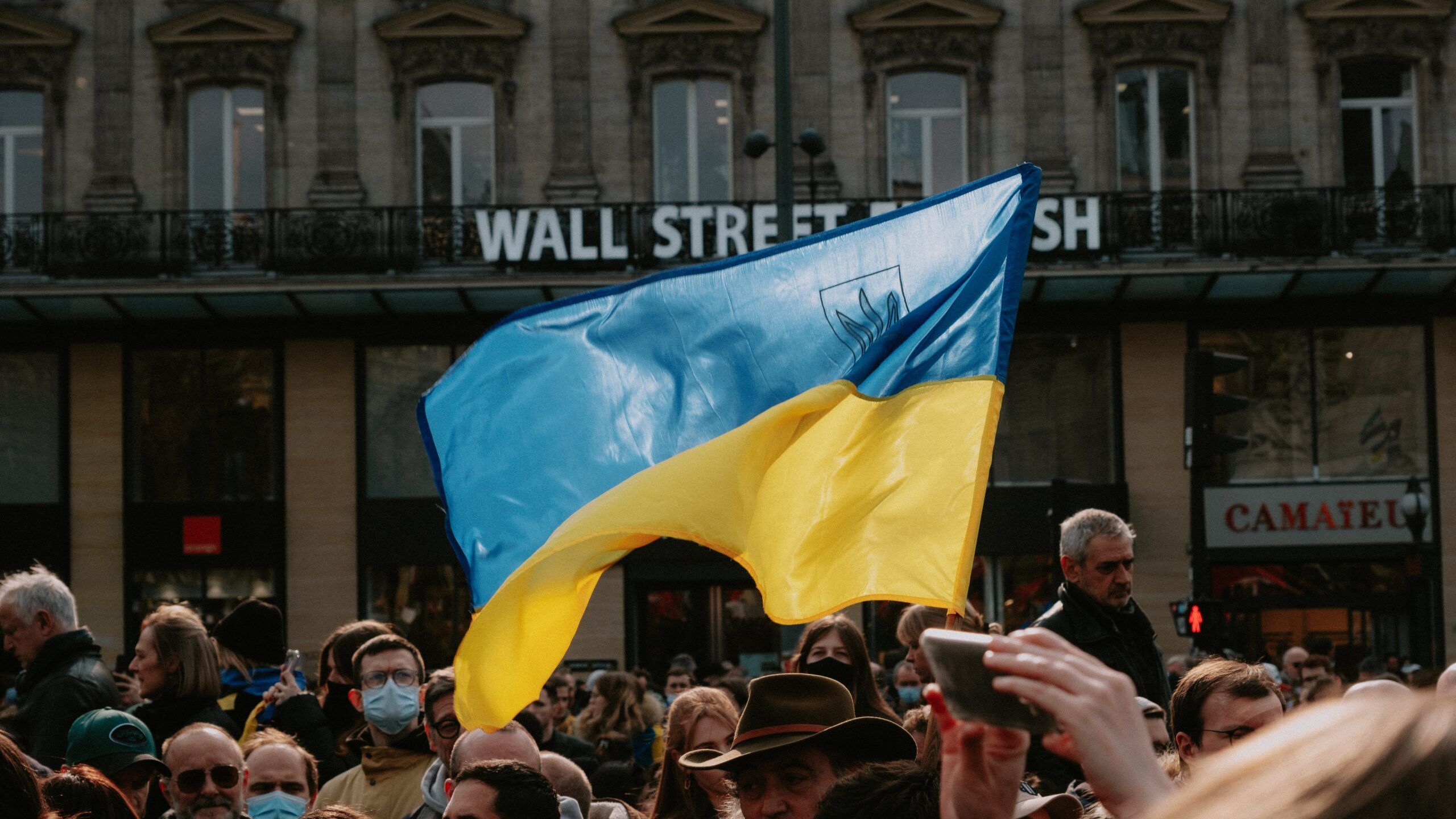
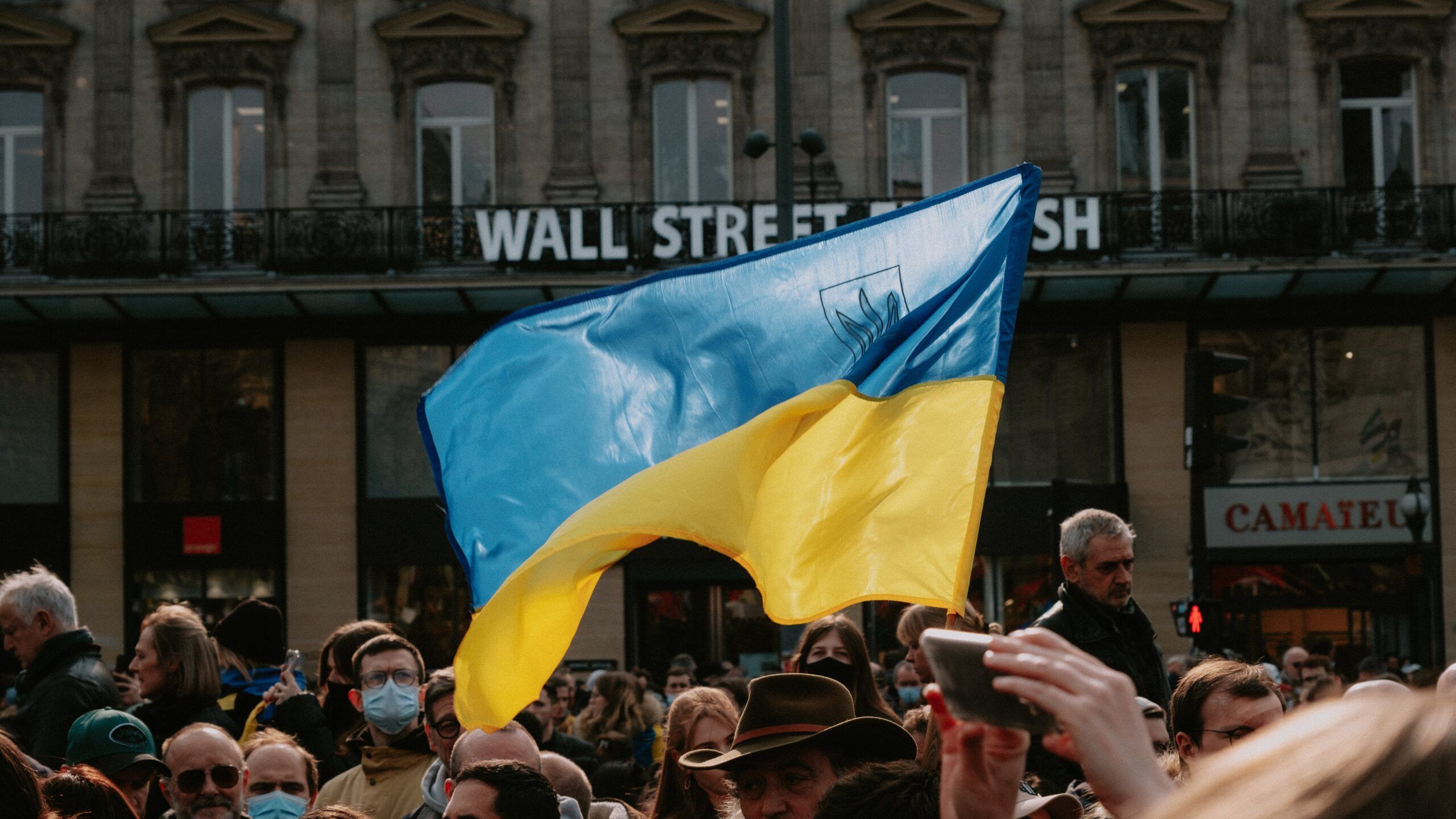
The Ukraine Facility would thus pool the EU’s budget support to Ukraine into one single instrument, providing coherent, predictable as well as flexible support for the period 2024-2027 to Ukraine, adapted to the unprecedented challenges of supporting a country at war.
The Council’s partial negotiating mandate does not include budget-related issues, in particular the overall size of the instrument and the share of grants and loans, which will depend on the final outcome of the horizontal negotiations on the mid-term revision of the multiannual financial framework for 2021-2027.
The EU is committed to providing unfaltering support to Ukraine as long as needed. The Ukraine Facility aims to grant consistent support for Ukraine to rebuild its country in the midst of the unprecedented challenges brought by Russia’s war of aggression. At the same time the support would help Ukraine take forward the reforms and modernisation efforts needed for it to advance on its path towards future EU membership. – Vincent van Peteghem, Belgian Minister of Finance
Link to the long-term budget
The Commission has proposed a total budget of €50 billion – €17 billion in grants and €33 billion in loans – for the Facility.
Commission launches three new initiatives to support Ukrainian researchers and innovators
|
Main elements of the partial Council position
The partial negotiating mandate preserves the main building blocks of the Commission’s proposal. These include the objectives of the Facility and its structure in three pillars:
- pillar I: The government of Ukraine will prepare a ‘Ukraine Plan’, setting out its intentions for the recovery, reconstruction and modernisation of the country and the reforms it plans to undertake as part of its EU accession process. Financial support in the form of grants and loans to the state of Ukraine would be provided based on the implementation of the Ukraine Plan, which will be underpinned by a set of conditions and a timeline for disbursements
- pillar II: Under the Ukraine investment Framework, the EU will provide support in the form of budgetary guarantees and a blend of grants and loans from public and private institutions. A Ukraine Guarantee would cover the risks of loans, guarantees, capital market instruments and other forms of funding supporting the objectives of the Facility
- pillar III: technical assistance and other supporting measures helping Ukraine align with EU laws and carrying out structural reforms on its path to future EU membership
Next steps
The partial position will serve as the Council’s mandate for negotiations with the European Parliament. Once an agreement is reached, the regulation will need to be formally adopted by the Council and the European Parliament.
SOURCE: Press release – Council of the EU
Publicaciones relacionadas:
 EU Member States agree to extend temporary protection for refugees from Ukraine
 EU proposes comprehensive new on Climate-Security nexus
 EU condemns illegitimate “elections” in occupied territories of Ukraine
EU increases training support for Ukrainian forces
EU condemns illegitimate “elections” in occupied territories of Ukraine
EU increases training support for Ukrainian forces
 EU leaders agreed to start accession talks with Ukraine and Moldova
Leave a Reply